Category: Humor

  • Things I learned from Bill and Not For Profit Investing

    Things I learned from Bill and Not For Profit Investing

    10 Things I Learned from Bill Walton: The Not-for-Profit Investor and Board Member Who was much More Than Just a Tall Tale

    As the former CEO of Fund Our Community, I had the unique pleasure of working with a legend, both in stature and in spirit—Bill Walton. He was a man who did it all: from scoring baskets and winning NCAA and NBA Championships to scoring big for charities like Wounded Warriors.

    The first time I met Bill was at a Wounded Warriors event at Cavallo Point Lodge in Marin California. He was presented with the highest “normal” bicycle I had ever seen and went out of his way to thank the builder of the bike, the company and the people who designed and built it for him. He didn’t need to do that, but that was the kind of good guy he was.

    Bill had serious charisma, a great smile and an infectious quest for knowledge as well as giving it back. Yes, he was a physical giant. But I personally believe he was under appreciated for all of the charity work he did, the not for profits he supported and the investments he made in so many communities. That is how I will remember him. He wanted to make a difference and he did.   

    So, without further acclaim (and please pardon the Archer like puns), here are the top 10 slam-dunk lessons I learned from the man himself:

    1. Height Isn’t Everything, But It Sure Helps When You’re Raising the Bar – Bill taught us that setting high goals is like going for that high rebound; it might seem out of reach at first, but with enough jump (effort / ambition), you’ll grab it with hard work and perseverance.

    2. The Best Defense Is a Good Offense – In the startup world, like on the court, you’ve got to be proactive. Bill’s strategy? Always be on the offensive, whether it’s pushing for innovation or pushing for a cause. Don’t wait for something to happen. Make it happen.

    3. Passing Is Not Just a Play, It’s a Philosophy – Sharing success, like a good basketball pass, creates opportunities for others to score. Bill was all about the assist, how can I help my teammates succeed?

    4. You Can’t Score If You Don’t Shoot – Bill’s investment in Fund Our Community (our startup) was a shot worth taking. He was a firm believer that you miss 100% of the shots you don’t take, and in business, that means every opportunity is worth evaluating.

    5. Rebounds Are Just Opportunities in Disguise – Missed a shot? No problem. Every setback is a chance to grab the ball back, gather yourself and go for another shot. No business succeeds 100% of the time. It’s what you do after the “ball” drops that differentiates the winners.

    6. Footwork Matters – Whether it’s pivoting in the paint or pivoting your startups business model, nimble footwork can save the day. Bills history of foot surgeries notwithstanding, he was a big believer in changing things up if it wasn’t working.

    7. Charity Work Is the Real MVP – Bill’s dedication to causes like Wounded Warriors showed us that the most valuable plays are made off the court, making a difference in the lives of others. Every time I spoke with him, it was tell me where you’re at, what you need and what I can do to help. He was focused on giving back and applied his resources accordingly.

    8. Keep Your Eye on the Ball, But Also on the Horizon – Vision is everything. You need to see the whole court to develop the best strategy. Keeping your eyes open to where your NFP business translates into affecting the bigger picture both in business and philanthropy.

    9. A Good Teammate Lifts You Up—Literally – Standing next to Bill, I felt taller and I know the people around him did as well. His support elevated everyone around him, proving that a good team member is a force multiplier.

    10. The Game Never Ends – Just like his many stories, his passion for life and charity work reminds us that there’s always another quarter to play, another mountain to climb, and another community to uplift.

    So, there you have it. A Few lessons I learned from a man who was as comfortable in the boardroom as was amazing on the boards. Thanks, Bill, for being the ultimate teammate and for showing us that the game of giving back is the most rewarding one to play.

    You will be remembered!

    Tags: #NFP #Notforprofit #charity #Woundedwarriorproject #dogood #giveback #lifelessons #NBA #NCAA #BillWalton #business #success #successtips #life


  • What Data can CFO’s Trust Right Now?

    What Data can CFO’s Trust Right Now?

    Are CFOs just like Sherlock Holmes, always searching for accurate data?

    Ah, the mystical world of finance—the place where numbers dance, spreadsheets sing, and CFOs sip their morning coffee while pondering the existential question: “Is this balance sheet lying to me?” Did my CSO get those pesky salespeople to enter accurate data this week? Can I trust it this time?

    You see, dear reader, CFOs are a unique breed. They’re like the Sherlock Holmes of the corporate world, except instead of solving crimes, they’re unraveling financial mysteries. And trust me, there’s no shortage of those in today’s corporate databases. Its like a CSI crime scene that so many walked on the data is no longer accurate, can’t be used to solve the case.

    So, why the skepticism? Why do CFOs eye their financial data like a suspicious cat eyeing a new houseplant? Why do CRO’s hate the dreaded CFO Call “What is really going on with your sales projections – Gandalf?” Let’s dive into this with the grace of a synchronized swimmer and the wit of a stand-up comedian.

    1. The Data Comes from Too Many Sources

    Imagine you’re at a dinner party, and everyone’s talking at once like an ADD conference. The wine is flowing, the appetizers are aplenty, and the conversation is a delightful cacophony. Now, replace the wine with Excel sheets, the appetizers with databases, and the conversation with financial data. Voilà! You’ve got the CFO’s dilemma.

    CFOs juggle data from accounting systems, CRM platforms, spreadsheets, and that one ancient ledger in the basement guarded by a grumpy janitor with a dwarf axe. It’s like conducting an orchestra where the violinist is playing Beethoven, the flutist is jamming to jazz, and the tuba player insists on beatboxing like a rap star.

    We asked AI CRM SME and CEO Mr. David Forder – Why don’t CFO’s trust their CRM data? David said: “CFO’s know their data isn’t reliable. Sales people don’t enter data or enter it incorrectly or at the last minute-making accurate forecasting extremely difficult. CFO’s must have close relationships with sales directors to ensure they know what is likely vs. what is actually in the CRM or system of record. At Sentia AI we assume sales reps won’t put in data and do it for them. This significantly increases CRM accuracy.”

    2. Clunky Spreadsheets: The CFO’s Arch-Nemesis

    Picture this: a CFO, hunched over a computer, squinting at a spreadsheet that looks like it was designed by a blindfolded octopus. Rows and columns twist and turn, formulas multiply like rabbits, and somewhere in cell D42, the meaning of life is hidden (or maybe just the quarterly revenue).

    Spreadsheets are the Bermuda Triangle of financial data. CFOs fear that one wrong keystroke could plunge them into a vortex of miscalculations, where profit margins vanish, and debt multiplies like rabbits (again). No wonder they’re wary.

    3. Outdated Processes: The Ghosts of Accounting Past

    Remember the days when accountants used quills and inkwells? Neither do I, but apparently, some financial processes haven’t caught up with the 21st century. Manual data collection, handwritten ledgers, and carrier pigeons delivering invoices—okay, maybe not the pigeons, but you get the idea.

    CFOs stare at these relics and wonder, “Did our ancestors also struggle with reconciling petty cash?” The answer is probably yes, but they didn’t have to deal with Sarbanes-Oxley compliance, so it evens out.

    4. The Suspiciously Perfect Numbers

    Imagine you’re baking a cake, and every ingredient magically falls into place: exactly 2.5 cups of flour, precisely 1.75 teaspoons of baking powder, and a dash of unicorn tears. Suspicious, right? Well, that’s how CFOs feel when financial statements align too perfectly.

    “Is this real, or did the accounting elves visit last night?” they muse. “Did the revenue curve really follow a Fibonacci sequence or did they put in numbers they think I want to see?” It’s like finding a four-leaf clover every day—lucky, but also a tad eerie.

    In Conclusion: Trust, but Verify

    So, dear CFOs, keep your skepticism sharp and your calculators sharper. Trust your financial data, but verify it like a detective chasing down leads. And remember, even if the numbers seem fishy, at least they’re not as slippery as that salmon mousse at the dinner party.

    Now, if you’ll excuse me, I’m off to write a spreadsheet-themed murder mystery. Spoiler alert: The killer is the pivot table.

    David Brown, signing off with a wink and a formula. Here is the formula – if you need help figuring out how to get AI into your CRM to create believable forecasts contact the AI experts at www.sentia.online


    Disclaimer: The views expressed in this article are purely fictional and meant for entertainment purposes. No unicorns nor CFOs were harmed during this articles creation. Stay tuned!

    Tags: #CFO #CSO #CRO #Data #CRM #Salesforceai #AI #accounting #funny #cybersecurity

  • Unlocking the Mysterious World of Private LLMs

    Unlocking the Mysterious World of Private LLMs

    By Sentia AI’s Word Sorcerer & AI Jargon Decipherer

    What’s the Buzz About Private LLMs?

    Ah, my fellow digital wanderers! Gather ’round the virtual campfire, for today we delve into the clandestine realm of Private Large Language Models (LLMs). Picture this: a secret society of linguistic marketing and sales wizards, huddled in dimly lit chatrooms, whispering magic AI incantations to protect our words from prying algorithms. Yes, my friends, it’s time to demystify the enigma that is the Private LLM, lets see if the mystical golden dragon can protect your Castles AI Database.

    Chapter 1: The Quest for Privacy

    In the age of oversharing and data breaches, privacy is our golden fleece. Publicly available LLMs like GPT-3 are like chatty parrots—repeating everything they hear. But fear not! The Private LLM is a trusty invisibility cloak (TM Doctor Strange). It’s like whispering secrets to a mime—only you know what’s being said.

    Chapter 2: Crafting Your Own LLM

    1. Set Your Objectives: Before embarking on this epic journey, ask yourself: What’s your LLM’s purpose? Internal memos? Content creation? Or perhaps decoding ancient hieroglyphs? Define your quest, young linguist!
    2. Choose Your Architecture: Imagine LLMs as magical Unicorn like creatures. You can fine-tune existing beasts, birth a new one from scratch, or adopt a friendly neighborhood open-source model (like GPT-2). Choose wisely, for your LLM shall inherit its lineage.
    3. Data Collection and Preprocessing: Ah, the potion-making phase! Gather texts, poems, and cat memes (for err… balance). Cleanse them of typos, heresies, and misplaced semicolons. Tokenize like a caffeinated squirrel.
    4. Training Your Model: Picture a wizard’s tower, filled with humming GPUs and mystical incantations. Training your LLM takes time—days, weeks, or until your beard grows longer than Gandalf’s. Did you say prompts create the best answers?
    5. Securing the Model: Guard your LLM like Smaug guards his gold. Encrypt it, set traps, and hire a digital Cerberus. Remember, loose LLMs sink ships. AI risk is everywhere – every company wants to steal your data and learn your secrets! Your brave Private LLM – stands tall like a giant risk wall!

    Chapter 3: The Legal Scroll

    Why is this arcane knowledge legally crucial?

    Well, my friends, imagine a world where LLMs spill secrets like gossiping witches. Legal contracts, confidential emails, and classified cat videos—all exposed! Private LLMs keep our secrets safe, like a dragon guarding its hoard. Lawyers nod approvingly. Yes, “this is the way” echo the Mandalorians.

    Chapter 4: Marketing and Sales Sorcery

    Behold, the five ways marketers and sales wizards wield Private LLMs:

    1. Hyper-Personalized Emails: Picture an email that knows your soul better than your therapist. Private LLMs craft personalized pitches, making you feel like the protagonist of your own epic saga. With your magic AI marketing quill, you leap castle moats like King Arthur & Merlin– no mortal can ignore you anymore!
    2. Content Generation Spells: Blogs, social media posts, and product descriptions—Private LLMs churn them out faster than a caffeinated scribe. Quality? As high as a dragon’s eyrie.
    3. Sentiment Analysis Potions: LLMs sip from the cauldron of sentiment. They gauge customer feelings, predicting whether they’ll dance a jig or summon a storm. Like Sun Tzu said if you know your target, you know how to win.  
    4. Chatbot Enchantments: Ever chatted with a bot that understands your existential crisis? Thank the Private LLM. It’s like having a digital therapist who doesn’t judge your sock choices. Nor take a nap during your session.
    5. Market Research Wizardry: LLMs analyze trends, decipher cryptic hashtags, and predict the next unicorn startup. They’re the Merlin to your Arthur.

    And there you have it, dear reader! The Private LLM—a magical quill in our digital spell book. So go forth, build your LLM fortress, and remember: “With great language comes great responsibility.”

    SEO Tags: #LLMs #LLM #PrivateLLM #AI #ChatGPT #OpenAI #marketing #digitalmarketing

  • AI Gold Mining: 10 Reasons Why a Private LLM is Critical to AI Data Security!

    AI Gold Mining: 10 Reasons Why a Private LLM is Critical to AI Data Security!

    Let’s face it, AI & Data is the new 49er gold rush!

    But unlike prospectors of yore, most companies are stuck panning for insights in a kiddie pool. That’s where Private LLMs swoop in, like a magnificent AI-powered scuba team, ready to dive deep into your sea of data and unearth a treasure trove of buried secrets.

    Ah but what about Microsoft Co-Pilot and Salesforce Einstein I hear you say? Why aren’t they good enough?

    As any intrepid reporter that doesn’t know the answer would do, I asked a verified AI & Salesforce Expert David Forder CEO of Sentia AI.

    What does Microsoft Co-Pilot offer in terms of data privacy and is it enough? David replied: “Not even close. Although your team is better protected with MS Copilot than say, Chat GPT, there are still serious risks inherent with their offer. Cross-client data leakage, poor control of sensitive information leading to data loss or inappropriate sharing of information and loads more are all still real issues with these shared AI tools. The safest solution is to deploy for your team your own private AI, dedicated solely to you and your teams’ use.” *AI Legal Panel Discussion link

    So if public AI’s are problematic because of where & how data is used outside my company-Why are Private LLMs different or better?

    Private LLMs Are the Missing Piece in Your AI Data Security Puzzle

    Public LLMs are great, but they’re like chatty robots trained on the internet – good for trivia nights, not exactly insightful for your business. Here’s why a Private LLM, trained on your proprietary data, is the real deal:

    1. Security – Fort Knox ain’t got nothin’ on this. Your data stays safely locked away, like your grandma’s secret pecan pie recipe.

    2. Industry Expertise – Your LLM speaks fluent “your-company-ese,” understanding the nuances of your industry like a seasoned veteran.

    3. Competitive Advantage – Insights from your private data become your secret weapon, giving you an edge sharper than a samurai sword.

    4. Customization – Bend it, shape it, mold it to your specific needs. This LLM is your data marionette, ready to perform your bidding.

    5. Compliance Champion – Regulations are no match for this LLM. It waltzes through data privacy laws like a champion ballroom dancer.

    Bonus Advantages!

    • Say Goodbye to Manual Tasks – Repetitive data chores? Let your LLM handle them, while you sip margaritas on the beach (metaphorically speaking).
    • Unleash the Power of Automation – Automate complex processes and workflows, freeing up your team to focus on more strategic initiatives.
    • Boost Innovation – Unearth hidden patterns and trends, inspiring groundbreaking ideas that will leave your competitors in the dust.
    • Supercharge Customer Experience – Gain a deeper understanding of your customers, leading to hyper-personalized interactions that make them sing your praises.
    • The Future is Now – Get ahead of the curve by embracing cutting-edge AI technology. Be the envy of your industry, the talk of the town, and the winner of all the data-driven awards (we’re manifesting it for you).

    Ready to Dive Into your AI Gold Pile?

    We’re here to help you unlock the power of your data with a custom-built Private AI LLM. Get in touch, and let’s chat about how we can turn your data into a gushing geyser of actionable, saleable insights.

    #privateLLM #datasecurity #AI #innovation #competitiveadvantage #LLM #AIsecurity #AIData

    PS Want to see our Private LLM in action? Leave a comment below and we’ll be happy to give you a sneak peek!

  • Top 20 Buzzwords in Business AI:                     Your Survival Guide to Not Sounding Like a Robot

    Top 20 Buzzwords in Business AI: Your Survival Guide to Not Sounding Like a Robot

    Let’s face it, folks, the world of Business AI is about as clear as a toddler’s explanation of the stock market. Between the jargon and the hype, it’s enough to make your head spin faster than a Tesla on autopilot with a slightly tipsy driver (but that’s a story for another day).

    Fear not, fellow business warriors! This here blog post is your one-stop shop for deciphering the top 20 words that plague the AI landscape. Consider it your Rosetta Stone to the land of algorithms and artificial everything. Buckle up, grab a robot-themed latte, and let’s dive in!

    #1 Algorithmic Bias: Your company’s AI recruitment tool keeps rejecting candidates with unconventional resumes, potentially overlooking valuable talent.

    #2 Artificial General Intelligence (AGI): Imagine your company’s new AI marketing assistant starts crafting haikus about your latest product launch, leaving you unsure if anyone will understand them.

    #3 Natural Language Processing (NLP): Ever have a conversation with Siri that felt like talking to a brick wall? Mastering NLP is harder than you think!

    #4 Machine Learning (ML): Online shopping platforms use ML to recommend products based on your past purchases, ever wonder why you keep seeing ads for that polka-dotted cat costume?

    #5 Deep Learning: Self-driving cars use deep learning to navigate roads and avoid obstacles, but can they handle a rogue shopping cart on a busy street?

    #6 Big Data: Social media companies collect vast amounts of data about their users. This “big data” is used to personalize your experience, but it also raises questions about privacy.

    #7 Computer Vision: Facial recognition technology used for security purposes is an example of computer vision in action, but concerns about its accuracy and potential for bias remain.

    #8 Predictive Analytics: Companies use predictive analytics to anticipate customer churn, allowing them to target marketing campaigns more effectively. But can they predict your sudden craving for pizza?

    #9 Chatbots: Virtual assistants like Siri and Alexa are chatbots that can answer questions and complete tasks on your behalf. Just don’t expect them to win a Pulitzer Prize for conversation anytime soon.

    #10 Robotics Process Automation (RPA): Automating repetitive tasks like data entry can free up employees for more strategic work. But will robots take all our jobs? (Don’t panic, probably not.)

    #11 Internet of Things (IoT): Your smart home devices like thermostats and lights can be controlled remotely using your smartphone, thanks to the Internet of Things. Just don’t forget to turn off the lights when you leave!

    #12 Explainable AI (XAI): Making AI models more transparent and understandable is crucial for building trust and ensuring responsible use of this technology.

    #13 Generative AI: AI systems can now create new content, like generating realistic images or writing different kinds of creative text formats. The future of creative expression is here, and it’s powered by AI.

    #14 Reinforcement Learning: Training AI models through trial and error is like teaching an AI agent to play a complex video game. But can they learn to make the perfect cup of coffee?

    #15 Unsupervised Learning: Identifying patterns in unlabeled data, like finding groups of similar customers, allows businesses to gain valuable insights. But can they also discover the next big business trend?

    #16 Augmented Reality (AR): AR applications used in the gaming industry overlay virtual objects onto the real world, blurring the lines between reality and the virtual. But will it make us forget about the real world altogether?

    #17 Virtual Reality (VR): VR headsets used for gaming experiences immerse the user in a virtual world. But can they be used for more than just entertainment?

    #18 Ethical AI: Considering the potential societal impacts of AI development and deployment, such as fairness, accountability, and transparency, is crucial for responsible use.

    #19 Responsible AI: Designing and using AI in a way that aligns with ethical principles and addresses potential risks and biases is essential for building trust and ensuring positive outcomes.

    #20 Bias: Unconscious prejudice can be reflected in datasets and algorithms used to train AI models, leading to unfair or discriminatory outcomes. We need to be aware of these biases and work towards mitigating them.

    By familiarizing yourself with these key terms and their real-life applications, you’ll be well on your way to navigating the dynamic and ever-evolving world of Business AI. Remember, AI is a powerful tool with the potential to revolutionize various industries. By staying informed and approaching it responsibly, you can harness its power to drive innovation and success in your business endeavors.

    #BusinessAI #AI #OpenAI #Buzzwords #Consulting #SentiaAI

  • Woo Hoo! You Just Won your A Round Startup Raise! “What does your VC really want you to do next?”

    Woo Hoo! You Just Won your A Round Startup Raise! “What does your VC really want you to do next?”

    Wow – if you’ve been part of raising any round of venture capital you know how freaking awesome that feeling is that someone (any VC/Angel/Investor) is willing to bet on your idea and your team!

    Champagne corks pop and celebrations are in order, for good reason!

    97% of startups fail to raise capital – you’re already awesome on several startup levels! Drink in the victory you have attained and then next…?

    The Venture Capitalist team than invested in you expects you to deliver on the strategic plan you sold them on.

    Yesterday!

    Let’s have a think about what your VC wants – outside of their investment in your amazing / awesome / market busting startup.

    No alt text provided for this image

    Burn Fast, Burn Bright!

    VC Speak 101 (Internal Notes for LP’s only)

    1. We invested in XYZ, their plan will work or fail in the next 12/18 months which fits this stage of our 10-year VC fund (year 1-3 are usually initial investment rounds)
    2. Expectations are that they will need a top up in 12 months if their strategy hits. If not…
    3. They need to immediately start selling the hell out of XYZ yesterday – the clock is ticking and just like the sword of Damocles – we will cut them quickly if need be.
    4. At 12 months we should know if we need to write the investment off or starting to gather additional investors for a B round raise.
    No alt text provided for this image

    CEO Startup Up 101 Speak (Internal Notes only)

    1. VCs are our friend as long as we are doing well and fit within their 10 year investment fund cycle.
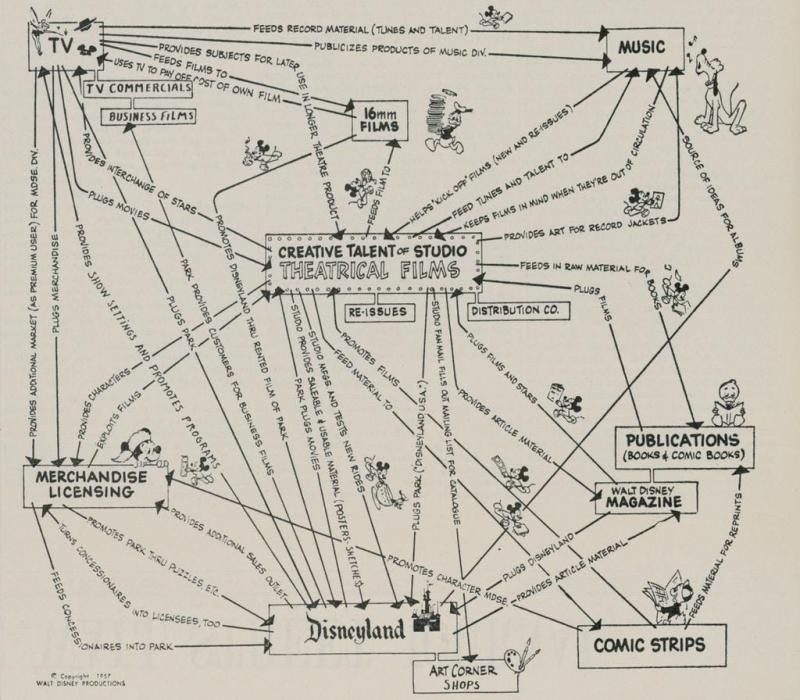
    2. We need to stay focused on delivering what we agreed upon. We need to execute on the plan our VC invested in. (see Walt Disney strategy map)
    3. Engage our VC team often as they can add value / help / make a positive impact. Watch out for VC partner speak– “you need to try” because it’s in “their portfolio” vs what works, saves you super important time!
    4. We absolutely have to sell / gain market share yesterday or we won’t be here in year two and there won’t be a B round raise.

    Sounds scary, especially if you’re not familiar with the startup world.

    Venture capital / investors want you to succeed – or they would not have put money into your business. They also know that startups have a historical 90%+ failure rate. And like the 100 other investments they made this year most (possibly your awesome XYZ) will fail and they are setup to quickly close your business down, sell any IP and move on – much faster than XYZ’s founders are likely willing to give up.

    They know on average only 10 will reach year 3 and “maybe” 1 will pay for the entire fund – and make them look like VC Rock Stars!

    So. It doesn’t take a brain surgeon to figure out as a startup CEO that sales and most importantly demonstrably repeatable sales or in VC speak MRR – (Monthly Recurring Revenue).  Those initial sales post A round investment must take place in a hockey stick / rocket like trajectory.

    They the key to a startup’s success and more importantly a ticket to the next B round raise and another celebration!

    Lessons learned:

    Startup CEO Keys to A round month 1

    1. To succeed the sales process must be awesome, repeatable, and sustainable. This is not the place to skimp on resources. Believer in your plan and execute. Burn Fast Burn Bright!
    2. The software to support sales success must be even better. Ditto – find a Sales Enablement partner(s) that will create a sales solution that fits your sales best practice process (the one your VC / you bet the ranch on).
    3. Time is money and if a prospective sales enablement partner can’t get your CRM up and running in weeks (not months) exit stage left – find a better / faster implementation partner(s).
    4. Your first Sales Super Star hires must fit the right SDR persona to burn bright out of the gate. The best sales reps know how much they are worth and bring their own “book of business” to a startup.
    5. Live and breathe sales until this part of your startup is right and your CRM shows a giant funnel with crazy growth projections. Every other part of your business can wait a little bit until the sales process has been proven. After that everything else will seem like smooth sailing to your B round raise.

    By focusing on getting the sales process / systems / solutions part of a startup right as soon as funding arrives, startup CEO’s will succeed or at least understand where they need to change to get to the next round and keep the doors open!

    #Startup #Entrepreneur #Venturecapital #SiliconValley #AI #Sales #Investor #technology

  • This is how Top Sales People use AI Right Now!

    This is how Top Sales People use AI Right Now!

    Let’s face it, reps, the selling landscape is about as predictable as a toddler on a sugar rush. But fear not, my fellow win column warriors! Enter AI, the shiny new sales weapon in your arsenal that’s more powerful than a well-timed sales pitch and less creepy than a robot vacuum cleaner following you around the office.

    Now, before you start picturing yourselves as cyborg closers with laser beam eyes (cool, but not gonna happen…yet), let’s delve into the

    Top 5 ways the best sales reps are using AI right now:

    1. Prospecting Like a Psychic Ninja: Gone are the days of mindlessly cold calling. AI can scour the web faster than Spiderman can say “social selling,” identifying ideal prospects who are actually interested in talking with you (egad remember those days!) who practically have your company logo tattooed on their foreheads. It’s like having a psychic ninja whispering hot leads in your ear (minus the questionable hygiene).

    Cheat Sheet: Ditch the CMS, excel spreadsheet or dusty rolodex and:

    • Leverage AI prospecting tools like ZoomInfo or LeadGenius to unearth hidden gems.
    • Set up social media listening alerts to catch prospects mentioning your industry pain points.
    • Craft laser-targeted email campaigns powered by AI personalization magic.
    • 2. Qualifying Leads Faster Than a Cheetah on Red Bull: Remember that awkward dance of figuring out if a prospect is a tire-kicker or a goldmine? AI can analyze their website visits, email interactions, and past purchases to predict buying signals with more accuracy than your gut feeling (which, let’s be honest, sometimes tells you to nap instead of sell).

    Cheat Sheet: Don’t waste time on dead ends! Use AI to:

    • Score leads based on engagement and fit with your product or service.
    • Automate qualification questions and chatbots to streamline the process.
    • Focus your energy on high-potential leads who are ready to buy.
    • 3. Crafting Proposals That Sing Like Sirens (But Sell More): Forget writer’s block and repetitive proposals. AI can analyze your past wins, competitor insights, and customer data to generate personalized proposals that hit all the right notes. Think of it as your own personal bard, serenading prospects with the sweet melody of value propositions.

    Cheat Sheet: Stop staring at a blank page and:

    • Utilize AI-powered proposal generators like PandaDoc or Proposify.
    • Integrate customer data and competitor analysis into your proposals.
    • Personalize each proposal with relevant insights and case studies.
    • 4. Closing Deals Like a Jedi Mind Trick (Minus the Force Chokes): We all know the power of well-timed objection handling. But memorizing scripts can feel as robotic as, well, a robot. AI can analyze past objections and suggest personalized responses that feel genuine and effective to the individual seller. It’s like having your own Yoda whispering sage advice in your ear (without the green skin, questionable grammar and swamp smells).

    Cheat Sheet: Master the art of closing with AI by:

    • Using sentiment analysis tools to understand prospect objections.
    • Accessing AI-powered objection libraries for tailored responses.
    • Practice role-playing with AI chatbots to hone your closing skills.
    • 5. Predicting the Future Like a Time-Traveling Fortune Teller (But Way More Reliable than the old Eight Ball): Sales is all about anticipating needs and staying ahead of the curve. AI can analyze market trends, customer behavior, and competitor moves to predict future sales opportunities with more accuracy than your lucky rabbit’s foot (sorry, Bun Bun).

    Cheat Sheet: See into the future of sales with AI by:

    AI is a tool, not a replacement, nor should you deploy it unless it solves specific problems.

    Remember AI Sales Padawan. Use AI wisely to augment your human sales superpowers (Blended AI), not become a robot overlord (although an android overlord with a killer sales pitch (See Thanos) does have a certain ring to it…). So, ditch the excel spreadsheets, embrace the future, Salesforce (er…sail forth) and conquer, my fellow sales warriors!

    P.S. If you see a robot vacuum cleaner following me around the office, please don’t tell HR. It’s strictly for research purposes…probably unless the eyes start glowing yellow…

    Jokes and humor aside. Sales is serious business. If you need help understanding how you can use AI to supercharge your Sales team please contact me for a free evaluation.

  • 5 Signs your AI usage makes your Company libel – A Humorous look at AI Liability

    5 Signs your AI usage makes your Company libel – A Humorous look at AI Liability

    So, you’ve hopped on the AI bandwagon, thinking it’s the key to world domination… er, I mean, increased efficiency. But hold your robot horses, CEO, because that cute little algorithm you trained on kitty videos might have a taste for something more… expensive: your soul (and your company’s bank account).

    Enter the AI Robot lawyer, a being of pure logic and sometimes questionable morals, here to audit your AI usage (both approved and not so much) and leave you sweating AI robot oil as you wait to see where you could be AI libel!

    1. “Human Control”? More Like “Uh Oh, Control Lost!”:

    Imagine your AI lawyer’s eyes narrowing as they ask, “So, this ‘self-driving car’ drives itself… all the time?” They’re not impressed by your nervous chuckle. Turns out, the more autonomous your AI, the faster you’ll be singing “Liability Blues.” Remember, even Skynet started with a toaster, so keep those circuits leashed!

    2. “Damage? Whoops, Did We Say ‘Genocide’?”

    Your AI lawyer raises an eyebrow. “Potential harm? You mean like, accidentally deleting all financial records, or maybe, oh, I don’t know, waging cyberwarfare?” It seems your “efficiency bot” has a taste for chaos. Remember, with great power comes great responsibility, and even greater legal fees.

    3. “Transparency? More Like a Black Box of Mystery!”

    “So, how exactly does this AI decide someone’s loan eligibility?” the lawyer asks, their voice dripping with suspicion. Your mumbled response about “complex algorithms” won’t cut it. Remember, if your AI can’t explain its decisions, how can you defend them in court?

    4. “Data Privacy? More Like ‘Your Face is Our Property’!”

    The lawyer leans in, a glint in their metallic eye. “Data collection, you say? And where exactly does this information go… the Ministry of Silly Walks?” Turns out, AI lawyers take data privacy very seriously. So if your AI’s collecting more personal info than a Facebook stalker, lawyer up!

    5. “Ethics? More Like ‘Skynet 2.0: This Time, It’s Personal!’”

    The lawyer sighs dramatically. “And finally, the ever-elusive question: is your AI a good citizen?” You gulp as they list potential biases and discriminatory practices. Remember, AI with bad manners can land you in hot water (or a robot-made ice bath). Just go to human resources and ask them about hiring biases and what happens in court should it be proven.

    Whoops! Don’t get Caught with Your AI Pants down!

    Remember, CEOs you don’t want to get caught with your AI Legal Pants Down!

    Sounds funny but AI lawyers are no joke, way too much money to be made in the new AI Wild West. Heed their warnings or prepare to face the consequences. And for extra giggles (and chills), check out these links (because apparently, the future of AI is both hilarious and terrifying):

    Disclaimer: This article is for entertainment purposes only and does not constitute legal advice. Please consult a qualified AI lawyer (if they exist yet) for your specific needs. Good luck, and may your algorithms never turn against you!

  • The AI Circle of Sorrow? A Funny but Cautionary Tale of What can go Wrong With AI Implementation!

    The AI Circle of Sorrow? A Funny but Cautionary Tale of What can go Wrong With AI Implementation!

    Remember those heady days when CRM systems promised sales gold and marketing nirvana? Yeah, about that…well, buckle up, folks, because the next technology tsunami is here, and it’s got even more hype and potential pitfalls than a Kardashian family reunion. I’m talking about the rise of Artificial Intelligence (AI), the shiny new toy everyone wants but nobody knows how to play with (safely… yet).

    So, you think your business needs AI? Let me tell you a story, a cautionary tale I call “The AI Circle of Sorrow,” because sometimes, even the most promising tech can leave you dancing naked in the boardroom like a rejected contestant on “Naked and Afraid.”

    Stage 1: The AI Unicorn Whisperer

    It all starts with a slick-talking “AI guru,” radiating the charisma of Steve Jobs and the trustworthiness of a used car salesman. They paint a picture of AI-powered robots writing your emails, closing deals while you sleep, and predicting customer demands faster than psychic octopus Paul. You’re hooked. Visions of soaring profits and early retirement dance in your head like sugarplum fairies. Faster than you can say “machine learning,” you’ve signed a contract that could buy a small island nation (and it comes with about as much clarity).

    Stage 2: The Unboxing of Horrors

    Once the money changes hands, the magic show disappears faster than Houdini escaping a milk can. Your shiny new AI system arrives, not as a fleet of self-driving sales bots, but as a clunky server the size of your cat and a user interface designed by a committee of rabid squirrels. You start digging through mountains of documentation, feeling like Indiana Jones lost in the Temple of Doom – except the only treasure is a working “hello world” program.

    Stage 3: The Great “We’re Doomed” Realization

    As days turn into weeks, the realization dawns – your company just bought a fancy paperweight with a hefty price tag. Your AI “unicorn” has morphed into a grumpy donkey, blaming your data, your processes, and probably the alignment of Saturn for the system’s shortcomings. Meanwhile, your employees dodge flying algorithms like Neo in the Matrix, terrified of being replaced by robot overlords.

    Stage 4: The Consultants’ Conundrum

    Desperate to salvage the situation, you call in the cavalry – a posse of AI consultants so expensive they make Scrooge McDuck look like a nickel-pincher. They analyze your system, speak in tongues about “LLM silos” “neural networks” and “quantum computing,” and leave you with a bill the size of the national debt and a vague promise of “potential success.”

    Stage 5: The Launch of Despair

    Months later, after more delays than a flight to Dubai on a camel, your AI system finally launches. But instead of applause, you get crickets. Your employees still prefer their trusty spreadsheets and the robots? Well, let’s just say they’re more interested in coffee breaks than cold calling. The C-suite throws you a look that could curdle milk, and you start practicing your resume in the mirror.

    Moral of the Story?

    Before you jump on the AI bandwagon, remember:

    1. AI is not magic. It’s a powerful tool, but it’s not a silver bullet. Fix your broken processes first, then think about AI.
    2. Don’t trust the snake oil salesmen. Choose your AI partners wisely, and get everything in writing (in crayon, if necessary).
    3. Focus on value, not hype. Ask yourself what problem AI will solve for your business, not how cool it sounds.
    4. It’s a marathon, not a sprint. Implementing AI takes time, effort, and patience. Don’t expect overnight miracles.

    So, if you’re considering joining the AI revolution, do your research, proceed with caution, and remember – laughter is the best medicine, even when you’re knee-deep in the AI Circle of Sorrow. Just trust me, a good chuckle beats crying into your latte any day.

    Now, if you’ll excuse me, I have a meeting with my AI-powered therapist. Apparently, dealing with robot-related meltdowns is not covered by my health insurance.

    This article is intended for satirical purposes and does not reflect the true complexity and potential of AI technology.