Category: Guides

  • This is how Top Sales People use AI Right Now!

    This is how Top Sales People use AI Right Now!

    Let’s face it, reps, the selling landscape is about as predictable as a toddler on a sugar rush. But fear not, my fellow win column warriors! Enter AI, the shiny new sales weapon in your arsenal that’s more powerful than a well-timed sales pitch and less creepy than a robot vacuum cleaner following you around the office.

    Now, before you start picturing yourselves as cyborg closers with laser beam eyes (cool, but not gonna happen…yet), let’s delve into the

    Top 5 ways the best sales reps are using AI right now:

    1. Prospecting Like a Psychic Ninja: Gone are the days of mindlessly cold calling. AI can scour the web faster than Spiderman can say “social selling,” identifying ideal prospects who are actually interested in talking with you (egad remember those days!) who practically have your company logo tattooed on their foreheads. It’s like having a psychic ninja whispering hot leads in your ear (minus the questionable hygiene).

    Cheat Sheet: Ditch the CMS, excel spreadsheet or dusty rolodex and:

    • Leverage AI prospecting tools like ZoomInfo or LeadGenius to unearth hidden gems.
    • Set up social media listening alerts to catch prospects mentioning your industry pain points.
    • Craft laser-targeted email campaigns powered by AI personalization magic.
    • 2. Qualifying Leads Faster Than a Cheetah on Red Bull: Remember that awkward dance of figuring out if a prospect is a tire-kicker or a goldmine? AI can analyze their website visits, email interactions, and past purchases to predict buying signals with more accuracy than your gut feeling (which, let’s be honest, sometimes tells you to nap instead of sell).

    Cheat Sheet: Don’t waste time on dead ends! Use AI to:

    • Score leads based on engagement and fit with your product or service.
    • Automate qualification questions and chatbots to streamline the process.
    • Focus your energy on high-potential leads who are ready to buy.
    • 3. Crafting Proposals That Sing Like Sirens (But Sell More): Forget writer’s block and repetitive proposals. AI can analyze your past wins, competitor insights, and customer data to generate personalized proposals that hit all the right notes. Think of it as your own personal bard, serenading prospects with the sweet melody of value propositions.

    Cheat Sheet: Stop staring at a blank page and:

    • Utilize AI-powered proposal generators like PandaDoc or Proposify.
    • Integrate customer data and competitor analysis into your proposals.
    • Personalize each proposal with relevant insights and case studies.
    • 4. Closing Deals Like a Jedi Mind Trick (Minus the Force Chokes): We all know the power of well-timed objection handling. But memorizing scripts can feel as robotic as, well, a robot. AI can analyze past objections and suggest personalized responses that feel genuine and effective to the individual seller. It’s like having your own Yoda whispering sage advice in your ear (without the green skin, questionable grammar and swamp smells).

    Cheat Sheet: Master the art of closing with AI by:

    • Using sentiment analysis tools to understand prospect objections.
    • Accessing AI-powered objection libraries for tailored responses.
    • Practice role-playing with AI chatbots to hone your closing skills.

    • 5. Predicting the Future Like a Time-Traveling Fortune Teller (But Way More Reliable than the old Eight Ball): Sales is all about anticipating needs and staying ahead of the curve. AI can analyze market trends, customer behavior, and competitor moves to predict future sales opportunities with more accuracy than your lucky rabbit’s foot (sorry, Bun Bun).

    Cheat Sheet: See into the future of sales with AI by:

    AI is a tool, not a replacement, nor should you deploy it unless it solves specific problems.

    Remember AI Sales Padawan. Use AI wisely to augment your human sales superpowers (Blended AI), not become a robot overlord (although an android overlord with a killer sales pitch (See Thanos) does have a certain ring to it…). So, ditch the excel spreadsheets, embrace the future, Salesforce (er…sail forth) and conquer, my fellow sales warriors!

    P.S. If you see a robot vacuum cleaner following me around the office, please don’t tell HR. It’s strictly for research purposes…probably unless the eyes start glowing yellow…

    Jokes and humor aside. Sales is serious business. If you need help understanding how you can use AI to supercharge your Sales team please contact me for a free evaluation.


  • 5 Signs your AI usage makes your Company libel – A Humorous look at AI Liability

    5 Signs your AI usage makes your Company libel – A Humorous look at AI Liability

    So, you’ve hopped on the AI bandwagon, thinking it’s the key to world domination… er, I mean, increased efficiency. But hold your robot horses, CEO, because that cute little algorithm you trained on kitty videos might have a taste for something more… expensive: your soul (and your company’s bank account).

    Enter the AI Robot lawyer, a being of pure logic and sometimes questionable morals, here to audit your AI usage (both approved and not so much) and leave you sweating AI robot oil as you wait to see where you could be AI libel!

    1. “Human Control”? More Like “Uh Oh, Control Lost!”:

    Imagine your AI lawyer’s eyes narrowing as they ask, “So, this ‘self-driving car’ drives itself… all the time?” They’re not impressed by your nervous chuckle. Turns out, the more autonomous your AI, the faster you’ll be singing “Liability Blues.” Remember, even Skynet started with a toaster, so keep those circuits leashed!

    2. “Damage? Whoops, Did We Say ‘Genocide’?”

    Your AI lawyer raises an eyebrow. “Potential harm? You mean like, accidentally deleting all financial records, or maybe, oh, I don’t know, waging cyberwarfare?” It seems your “efficiency bot” has a taste for chaos. Remember, with great power comes great responsibility, and even greater legal fees.

    3. “Transparency? More Like a Black Box of Mystery!”

    “So, how exactly does this AI decide someone’s loan eligibility?” the lawyer asks, their voice dripping with suspicion. Your mumbled response about “complex algorithms” won’t cut it. Remember, if your AI can’t explain its decisions, how can you defend them in court?

    4. “Data Privacy? More Like ‘Your Face is Our Property’!”

    The lawyer leans in, a glint in their metallic eye. “Data collection, you say? And where exactly does this information go… the Ministry of Silly Walks?” Turns out, AI lawyers take data privacy very seriously. So if your AI’s collecting more personal info than a Facebook stalker, lawyer up!

    5. “Ethics? More Like ‘Skynet 2.0: This Time, It’s Personal!’”

    The lawyer sighs dramatically. “And finally, the ever-elusive question: is your AI a good citizen?” You gulp as they list potential biases and discriminatory practices. Remember, AI with bad manners can land you in hot water (or a robot-made ice bath). Just go to human resources and ask them about hiring biases and what happens in court should it be proven.

    Whoops! Don’t get Caught with Your AI Pants down!

    Remember, CEOs you don’t want to get caught with your AI Legal Pants Down!

    Sounds funny but AI lawyers are no joke, way too much money to be made in the new AI Wild West. Heed their warnings or prepare to face the consequences. And for extra giggles (and chills), check out these links (because apparently, the future of AI is both hilarious and terrifying):

    Disclaimer: This article is for entertainment purposes only and does not constitute legal advice. Please consult a qualified AI lawyer (if they exist yet) for your specific needs. Good luck, and may your algorithms never turn against you!

  • What CEOs need to know to Mitigate AI Legal Exposure & Avert an AI Disaster

    What CEOs need to know to Mitigate AI Legal Exposure & Avert an AI Disaster

    Law Firms across the country are building up their AI legal teams and licking their proverbial chops at the legal opportunities coming with AI based business lawsuits! Its the wild west of both Artificial Intelligence and the legal system. Every CEO must have a plan or face the consequences down the line.

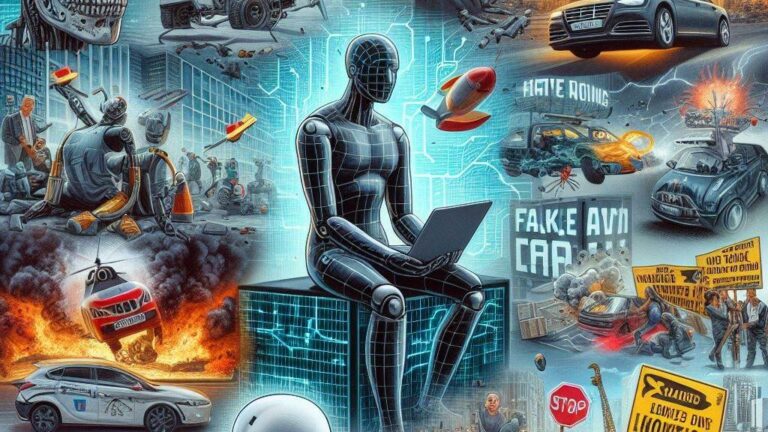
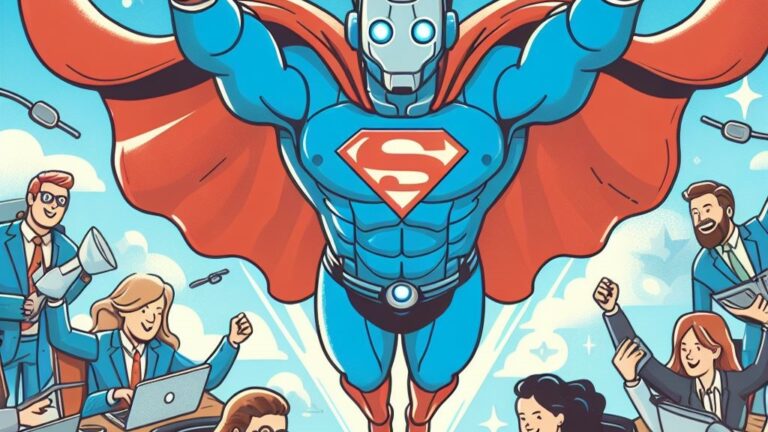
    Lets not go all doom and gloom. It’s important to approach the topic of AI misuse in the workplace with caution. Framing it as “things employees are doing” may inadvertently shift blame and lead to unproductive finger-pointing. At this stage in AI growth we’re all learning what it can do, should do and perhaps most importantly should not do. One look at this image shows you what can go right with AI (the image) and wrong – the text.

    Right or wrong, Ignoring AI use in the workplace is like putting your head in the sand. Your competitors and employees are using it daily – so accept that and understand what that means for your business going forward.

    Let’s focus on unforeseen consequences of AI implementation that CEOs should be aware of and address proactively. Here are five areas where AI use in the workplace could lead to negative outcomes, along with actions CEOs can take to mitigate risks:

    1. Unconscious Bias Amplification: AI algorithms trained on biased data can amplify existing prejudices in hiring, performance evaluations, and other sensitive areas.

    • CEO Action: Implement rigorous data audits and bias detection tools to identify and mitigate bias in AI systems. Prioritize diverse data sets and develop fairness guidelines for algorithm development and deployment.

    2. Algorithmic Espionage and Privacy Breaches: Unmonitored AI-powered surveillance tools used for employee monitoring can lead to privacy violations and erode trust.

    • CEO Action: Establish clear policies on data collection, storage, and access. Prioritize transparency by informing employees about AI monitoring practices and provide opt-out options where appropriate. Implement robust cybersecurity measures to prevent data breaches.

    3. Automation-Driven Dehumanization: Overreliance on AI for tasks like communication, performance management, or decision-making can create impersonal and dehumanizing experiences for employees.

    • CEO Action: Promote a human-in-the-loop approach, where AI complements human judgment and facilitates communication, rather than replacing them. Prioritize upskilling and training programs to ensure employees adapt to changing roles alongside AI integration.

    4. Algorithm-Induced Stress and Workload Creep: Improperly designed AI tools can increase workload and pressure on employees, leading to stress, burnout, and reduced productivity.

    • CEO Action: Conduct user research and pilot tests to assess the impact of AI tools on employee workload and well-being. Implement safeguards like automated task scheduling and flexible work arrangements to prevent AI-induced stress.
    • Before implementing any new tools (AI or any software) complete an audit to ensure the new AI software isn’t just replacing what is working already. Only bring in new AI that solves a problem, saves money or reduces the number of Apps / software licenses your CFO has to pay.

    5. Lack of Accountability and Oversight: Unclear lines of responsibility and accountability for AI decisions can exacerbate existing power imbalances and create ethical dilemmas.

    • CEO Action: Establish clear governance structures for AI development and deployment. Appoint responsible AI leads and implement ethical review processes to ensure responsible decision-making and fair outcomes.
    • Put the CIO in charge of all new AI or hire an AI Seer that keeps track of all uses of AI in the company and ensures all employees are in AI legal compliance. This person also needs to review with CIO the current tech stack, current limitations and the current IT strategy.

    Bonus Considerations:

    Organizations over 250 Employees will need to appoint an AI Seer. This person will be tip of the spear for all AI related work. They will need to have the knowledge of a CIO with the business savvy of a CRO and legal chops to boot. They will be very expensive.

    We’re living in the Wild West of AI right now and there is no lawyer or IT pro that can protect your organization from every AI related problem.

    However, by proactively addressing these potential pitfalls, CEOs can foster a responsible and ethical AI environment that benefits both the company and its employees going forward. Remember, the key is to leverage AI’s potential while mitigating its risks to create a thriving workplace for everyone. Every business will be using AI in the very near future. Just like any business tool ever made the key is how and when to use the tool in a ethical and legally nuanced way.

    AI is changing faster than the laws. CEO’s must look to mitigate future legal liability by addressing good use vs. bad use of AI in their organizations right now. Ignorance isn’t accepted in court.

  • The AI Circle of Sorrow? A Funny but Cautionary Tale of What can go Wrong With AI Implementation!

    The AI Circle of Sorrow? A Funny but Cautionary Tale of What can go Wrong With AI Implementation!

    Remember those heady days when CRM systems promised sales gold and marketing nirvana? Yeah, about that…well, buckle up, folks, because the next technology tsunami is here, and it’s got even more hype and potential pitfalls than a Kardashian family reunion. I’m talking about the rise of Artificial Intelligence (AI), the shiny new toy everyone wants but nobody knows how to play with (safely… yet).

    So, you think your business needs AI? Let me tell you a story, a cautionary tale I call “The AI Circle of Sorrow,” because sometimes, even the most promising tech can leave you dancing naked in the boardroom like a rejected contestant on “Naked and Afraid.”

    Stage 1: The AI Unicorn Whisperer

    It all starts with a slick-talking “AI guru,” radiating the charisma of Steve Jobs and the trustworthiness of a used car salesman. They paint a picture of AI-powered robots writing your emails, closing deals while you sleep, and predicting customer demands faster than psychic octopus Paul. You’re hooked. Visions of soaring profits and early retirement dance in your head like sugarplum fairies. Faster than you can say “machine learning,” you’ve signed a contract that could buy a small island nation (and it comes with about as much clarity).

    Stage 2: The Unboxing of Horrors

    Once the money changes hands, the magic show disappears faster than Houdini escaping a milk can. Your shiny new AI system arrives, not as a fleet of self-driving sales bots, but as a clunky server the size of your cat and a user interface designed by a committee of rabid squirrels. You start digging through mountains of documentation, feeling like Indiana Jones lost in the Temple of Doom – except the only treasure is a working “hello world” program.

    Stage 3: The Great “We’re Doomed” Realization

    As days turn into weeks, the realization dawns – your company just bought a fancy paperweight with a hefty price tag. Your AI “unicorn” has morphed into a grumpy donkey, blaming your data, your processes, and probably the alignment of Saturn for the system’s shortcomings. Meanwhile, your employees dodge flying algorithms like Neo in the Matrix, terrified of being replaced by robot overlords.

    Stage 4: The Consultants’ Conundrum

    Desperate to salvage the situation, you call in the cavalry – a posse of AI consultants so expensive they make Scrooge McDuck look like a nickel-pincher. They analyze your system, speak in tongues about “LLM silos” “neural networks” and “quantum computing,” and leave you with a bill the size of the national debt and a vague promise of “potential success.”

    Stage 5: The Launch of Despair

    Months later, after more delays than a flight to Dubai on a camel, your AI system finally launches. But instead of applause, you get crickets. Your employees still prefer their trusty spreadsheets and the robots? Well, let’s just say they’re more interested in coffee breaks than cold calling. The C-suite throws you a look that could curdle milk, and you start practicing your resume in the mirror.

    Moral of the Story?

    Before you jump on the AI bandwagon, remember:

    1. AI is not magic. It’s a powerful tool, but it’s not a silver bullet. Fix your broken processes first, then think about AI.
    2. Don’t trust the snake oil salesmen. Choose your AI partners wisely, and get everything in writing (in crayon, if necessary).
    3. Focus on value, not hype. Ask yourself what problem AI will solve for your business, not how cool it sounds.
    4. It’s a marathon, not a sprint. Implementing AI takes time, effort, and patience. Don’t expect overnight miracles.

    So, if you’re considering joining the AI revolution, do your research, proceed with caution, and remember – laughter is the best medicine, even when you’re knee-deep in the AI Circle of Sorrow. Just trust me, a good chuckle beats crying into your latte any day.

    Now, if you’ll excuse me, I have a meeting with my AI-powered therapist. Apparently, dealing with robot-related meltdowns is not covered by my health insurance.

    This article is intended for satirical purposes and does not reflect the true complexity and potential of AI technology.

  • How can Manufacturing CIO’s Unleash the AI Kraken in 2024

    How can Manufacturing CIO’s Unleash the AI Kraken in 2024

    Forget flying cars and robot overlords for a sec, Manufacturing CIOs. Let’s talk about the real AI revolution happening right under our hard hats – right now, in 2024!

    This ain’t no sci-fi pipe dream, this is industrial-grade, grease-stained, game-changing stuff. So strap on your data goggles, fire up the algorithms, and prepare to conquer the factory floor with these top 10 AI tactics:

    1. Predict the Unpredictable: Think your machines are invincible? Think again. AI can sniff out equipment gremlins before they turn your production line into a spaghetti junction. No more surprise breakdowns, just smooth sailing into profit town.

    2. Quality Control on Steroids: Human inspectors? So 20th century. AI hawk-eyes can spot defects smaller than a gnat’s toenail, 24/7, ensuring your products are so flawless, Michelangelo would weep with envy.

    3. Inventory? More Like I-Know-Ventory: Ditch the dusty spreadsheets and embrace the AI oracle. It’ll predict demand with spooky accuracy, keeping your shelves stocked without overflowing, saving you storage space and sanity.

    4. Supply Chains that Sing: Gone are the days of frantic phone calls and crossed fingers. AI can navigate the global logistics labyrinth, optimizing routes, prices, and deliveries, making your supply chain sing like a well-oiled machine (or maybe a well-oiled, well-organized opera singer).

    5. Maintenance Magic: Forget clunky maintenance schedules. AI can listen to your machines whisper their woes, pinpointing issues before they become disasters. Think of it as preventative medicine for your factory floor.

    6. The Efficiency Whisperer: Your production line may think it’s running at peak, but the AI efficiency whisperer knows better. It’ll tweak processes, suggest micro-adjustments, and squeeze every ounce of productivity out of your operation, like a fuel-efficient Formula One pit crew for your robots.

    7. The Customer Whisperer (Yes, Another One): AI can analyze customer data like a seasoned therapist, uncovering hidden desires and predicting future needs. Use this intel to personalize marketing, predict demand, and basically become the Willy Wonka of your industry.

    8. Safety First, Always: AI can be your guardian angel on the factory floor. It can monitor safety protocols, spot hazards before they happen, and even help train your workforce, making your workplace safer than a bubble-wrapped bouncy castle factory.

    9. Upskilling, Not Replacing: Don’t fear the robot uprising, embrace the AI collaboration. Use AI to upskill your workforce, freeing them from tedious tasks and letting them focus on the stuff that truly requires human ingenuity. Think of it as giving your team rocket boots for their brains.

    10. Remember, You’re the Captain: AI is a powerful tool, but it’s not a magic wand. Keep control, define clear goals, and ensure your AI initiatives align with your overall strategy. You’re still the captain of this ship, CIO, just make sure your AI first mate is pulling its weight (and not plotting a mutiny).

    So there you have it, Manufacturing CIOs, the top 10 ways to unleash the AI kraken and transform your factory floor into a profit-churning, efficiency-blasting oasis. Just remember, with great AI power comes great responsibility. Use it wisely, and you’ll be laughing all the way to the bank (or at least the break room for some celebratory donuts). Now go forth and conquer!

    #manufacturing #ai #chatgpt #openai #cio #technology

  • CMSWire’s Top 10 AI Articles of 2023

    CMSWire’s Top 10 AI Articles of 2023

    In 2023, the field of artificial intelligence (AI) witnessed significant advancements and discussions that have defined the AI sector. OpenAI’s GPT-4 Turbo marked a significant leap in AI’s potential in customer experience and marketing. Generative AI, which has been evolving since the 1940s, significantly impacts industries, potentially boosting global GDP by 7%. The demand for AI skills has fueled a surge in diverse courses and certifications, equipping learners for a dynamic job market.

    Our top 10 AI articles of 2023 highlight these key advancements and discussions that have defined the AI sector. These articles showcase the significant strides in AI image generation tools, the impact of AI on various industries, and the latest trends in AI research and development.

    10. OpenAI Launches GPT-4 Turbo, Pioneering New Era of Personalized AI

    OpenAI’s launch of GPT-4 Turbo introduced a significant new breakthrough for AI. This version expanded context handling to 128,000 tokens, improving user interaction and memory over long conversations. It also featured vision and sound capabilities and offered customizable GPTs, enabling personalized AI creation without the need for coding know-how. 

    These advancements promise to make big changes in customer experience (CX) and marketing, offering deeper, more meaningful interactions and a platform for users to create and monetize their AI innovations.

    9. Generative AI Timeline: 9 Decades of Notable Milestones

    Generative AI, a field with roots stretching back to the 1940s, has evolved significantly since its inception, influencing various industries and poised to boost global GDP by 7% in the next decade. 

    Early milestones included Claude Shannon’s 1948 work on n-grams and Alan Turing’s 1950 Turing Test. The 1956 Dartmouth Conference marked AI’s official birth, followed by numerous advancements like Joseph Weizenbaum’s ELIZA chatbot in the 1960s and the development of neural networks in the 1980s and 1990s. The 2000s saw AI enter mainstream consumer tech with Apple’s Siri. Recent years witnessed rapid advancements with OpenAI’s GPT models and the integration of AI in search engines. 

    8. 11 Best Artificial Intelligence Courses & Certifications

    The increasing demand for AI skills in the job market has led to the emergence of various AI courses and certifications, covering essentials like machine learning, cloud computing and natural language processing. 

    These courses and certifications cover a broad range of AI areas, from basic concepts to advanced techniques. Completing these courses can lead to valuable certifications and a chance to meet growing industry demand for AI expertise.

    7. Is This the Year AI Dominates the Call Center?

    This year was pivotal for AI’s role in call centers. AI and machine learning matured to enhance both customer experience and agent efficiency. 

    Innovations like IBM’s natural language understanding software have revolutionized interactive voice response (IVR) systems, making them more efficient and responsive. AI’s ability to provide real-time feedback, predictive analytics and in-depth analysis not only improved customer interactions but also benefited call center employees by automating routine tasks. However, despite AI’s growing capabilities, human agents remain essential for complex interactions. 

    6. What Is Grok? Elon Musk’s ‘Rebellious’ New AI

    Elon Musk’s AI creation, Grok, developed by xAI, made a big splash in the AI landscape. Unlike conventional models, Grok can access real-time knowledge and is programmed to handle controversial or “spicy” queries with a blend of wit and rebelliousness. 

    This AI, still in beta phase, has shown promising results, outperforming major AI models like ChatGPT-3.5 in benchmarks. Grok stands out for its willingness to answer questions other AI systems might reject, already demonstrating its unique approach on Twitter. Grok’s launch aligns with Musk’s vision of a less moderated internet, emphasizing free speech and less censorship, traits likely to be reflected in Grok’s responses. 

    5. OpenAI Board Fires CEO Sam Altman

    The OpenAI board dismissed CEO Sam Altman due to concerns about his candor in communications, leading to a shakeup in the organization. This leadership change occurred during a period of significant achievements for OpenAI, including the successful launch of ChatGPT and a substantial investment from Microsoft. 

    Altman, known for his prominent role in promoting and developing ChatGPT, had been a key figure in OpenAI’s rise in the AI industry. Following his dismissal, Greg Brockman, OpenAI’s president and co-founder, along with other executives, resigned. However, in a surprising turn of events, Altman was reportedly rehired by OpenAI, and the company’s board underwent significant changes.

    4. Midjourney vs. DALL-E 2 vs. Stable Diffusion. Which AI Image Generator Is Best for Marketers?

    In a world where AI image generators are now the norm, Midjourney, DALL-E 2 and Stable Diffusion stand out as leading options for marketers. These tools make it possible for even those without advanced skills to produce sophisticated graphics. 

    Midjourney, although not free, offers realistic images and features like image variations and upscaling. DALL-E 2, operating on a credit-based system, is more suited for small and medium-sized businesses due to its pricing flexibility. Stable Diffusion, free and open-source, is particularly advantageous for developers and enterprises, providing the fastest image generation and unlimited creations in its premium plan.

    3. OpenAI Disables ChatGPT Bing Web Browser Plugin

    OpenAI disabled the “Browse with Bing” beta plugin for ChatGPT-4, a feature that allowed the AI chatbot to search the internet for information. This decision was made on July 3 due to the plugin displaying content in undesirable ways. 

    The removal of the plugin was unexpected for users, particularly given ChatGPT’s status as the fastest-growing app of all time. The integration of ChatGPT with Bing represented a powerful combination of AI and search engine technology. This development underscores the experimental nature of such AI tools and the ongoing efforts to refine them for reliability and appropriateness of content.

    2. Top 5 Free Prompt Engineering Courses

    Prompt engineering is a necessary skill for maximizing generative AI effectiveness. These free prompt engineering courses, ranging from beginner to advanced, delve into the intricacies of how to craft input text prompts for desired AI outcomes. 

    Key courses include OpenAI and DeepLearning.AI’s “ChatGPT Prompt Engineering for Developers,” focusing on API calls to build AI applications, and Coursera’s “Prompt Engineering for ChatGPT,” offering extensive training over six weeks. These resources are invaluable for anyone seeking to enhance their skills in this high-demand field, with potential high-paying job opportunities on the line. 

    1. How to Set up and Use the ChatGPT Web Browsing Plugin

    ChatGPT rolls out a web browsing feature and access to over 70 third-party plugins, giving the tool the ability to pull in recent online data and provide more relevant responses. To use these features, users must subscribe to ChatGPT Plus, which costs $20/month, and enable the beta features in the settings menu. 

    When using the web browsing plugin, users can watch ChatGPT browse the web, check links and gather information. Additionally, ChatGPT Plus offers a range of third-party plugins, developed independently but supported by OpenAI. These plugins can be accessed through the Plugin store and offer various functionalities, such as video creation, market data analysis and web content scraping. 

    Original article : CMSWire’s Top 10 AI Articles of 2023

  • AI Revolution in Sales Tech Manufacturing:        Ready for Takeoff?

    AI Revolution in Sales Tech Manufacturing: Ready for Takeoff?

    It’s no secret that AI is transforming industries, and manufacturing is no exception. But what about the heart of the beast – sales? Is AI poised to disrupt the delicate dance between manufacturers and their customers? Buckle up, folks, because the answer is a resounding yes – and it’s a change with game-changing potential.

    Let’s blast through the hype and explore how AI is set to impact manufacturing sales tech in three key ways:

    1. Supercharged Sales Intelligence: Imagine having a precog on your sales team. AI-powered insights are here to do just that. By analyzing vast datasets, AI can predict customer needs, buying patterns, and even churn risk with uncanny accuracy. Think personalized product recommendations, proactive outreach to at-risk accounts, and targeted campaigns that hit bullseyes, not broadsides. No more cold calls, folks – we’re talking laser-focused engagement that builds genuine relationships.

    2. The Rise of the Sales Cyborg: Remember Robocop? Okay, maybe not that extreme (yet). But envision a future where sales reps wield AI-powered tools that streamline their every move. Chatbots handle routine inquiries, freeing up reps for high-value conversations. Virtual assistants schedule meetings, draft proposals, and even analyze customer sentiment during calls. It’s not about replacing reps – it’s about amplifying their superpowers, giving them the bandwidth to focus on what they do best: building trust and closing deals.

    3. The Customer Experience Goes Hyperdrive: We all know happy customers are repeat customers and the best sales referrals. AI properly applied at the right time in each companies unique sales process can take the manufacturing customer experience to a whole new level. Marketing and sales work together transparently. Each can easily see how to impact the customer experience – who is using what content, for what purpose, what phase of the sales cycle and how is it impacting (good or bad) that part of the sales cycle? All the data can be seen and shared in ways only an AI generated dream was capable of just two short years ago!

    Imagine:

    • Real-time product customization: A customer tweaks a machine’s specs online, and AI instantly calculates pricing and delivery timelines. Boom – gone are the days of slow, cumbersome quote processes.
    • Predictive maintenance: Forget reactive repairs. AI monitors equipment performance, predicting potential issues before they disrupt production. Customers can proactively schedule maintenance, minimizing downtime and maximizing efficiency.
    • Virtual showrooms with augmented reality: Can’t afford to bring a behemoth machine to every client? No problem! AR lets customers virtually interact with products, even in their own facilities. The result? Faster decision-making and boosted confidence.
    • Challenges and the Road Ahead: Of course, with great power comes great responsibility. Implementing AI effectively requires careful planning and consideration. Data security, bias mitigation, and ethical considerations are paramount. Additionally, retraining and upskilling sales teams will be crucial. Remember, AI is a tool, not a replacement. The human touch of relationship building and expert advice will always be irreplaceable.

    So, is AI the death knell of the traditional manufacturing salesperson? Absolutely not. It’s the dawn of a new era, where technology empowers reps to reach their full potential. Those who embrace AI and adapt their skillsets will not only survive – they’ll thrive, leaving outdated sales tactics in the dust. This isn’t a revolution to fear, it’s an invitation to evolve. So, embrace the AI revolution, manufacturers, and get ready to take your sales game to warp speed. The future of manufacturing is looking brighter than ever.

    Let’s discuss! How do you see AI impacting manufacturing sales? Share your thoughts in the comments below.

    #aisales #manufacturing #customerexperience #futureofwork #salessech

    P.S. Don’t forget to follow me on LinkedIn for more insights on the future of manufacturing and sales!

  • Need A Business Plan – AI Can Help!

    Need A Business Plan – AI Can Help!

    Venturekit is an AI tool that generates comprehensive and tailored business plans for entrepreneurs and business owners. By simply answering a few questions about their business, users can obtain an executive summary, SWOT analysis, marketing strategy, competitive analysis, business models, and other relevant sections.

    The generated business plans are customized to each user’s specific business needs and are designed to help make better business decisions.In addition to generating business plans, Venturekit offers a chat feature that acts as an AI business consultant.

    Users can ask questions about their business and receive prompt and question suggestions if they are unsure about what to ask. The chat feature is briefed on the user’s business and writes in their tone, eliminating the need for extensive explanations.

    The chat feature uses the latest version of GPT, which is a highly advanced AI language model. Venturekit also provides users with the ability to create various types of content with the help of AI.

    Try it out here.

  • Free Training from IBM.. go for it!

    Free Training from IBM.. go for it!

    Gain foundational skills to help you prepare for an entry-level job in tech, while earning credentials and getting guidance from technology experts. All at no cost.

    Have 10 hours? IBM will train you in AI fundamentals – for free (msn.com)

  • Top 7 Things AI Will Do in Sales Tech 2024: Buckle Up, Sales Superheroes!

    Top 7 Things AI Will Do in Sales Tech 2024: Buckle Up, Sales Superheroes!

    Hey there, Sales Champions! DB here, your AI sales tech advisor in the quest for revenue dominance. Remember that sci-fi movie where robots took over the world?

    Relax, this ain’t that. Think of AI as your ultimate sales wingman, amplifying your skills and crushing those sales quotas like a Kryptonian on its first bowl of Frosted Flakes! They’re Great!!!

    So, what’s our trusty AI crystal ball whispering about 2024 sales tech you ask? Buckle up, because AI is about to unleash a seven-course feast of awesome sauce in the sales tech arena:

    1. Hyper-Personalized Prospecting: Say goodbye to cold calls that send shivers down spines. AI will sift through oceans of data, unearthing ideal prospects who fit your buyer persona like a glove. Imagine targeted outreach that feels like a warm introduction from a mutual friend, not a robot on autopilot.

    2. Predictive Pipeline Power: Forget gut feelings and crossed fingers. AI will analyze your pipeline with laser focus, pinpointing deals at risk and predicting future outcomes with uncanny accuracy. No more scrambling at the end of the quarter – you’ll be proactively steering deals to close like a seasoned captain navigating calm seas.

    3. Conversational Conquering: Ditch the robotic scripts and embrace the power of natural language processing. AI-powered chatbots will engage prospects in real-time, answering questions, scheduling demos, and qualifying leads, all while you’re busy closing that big deal. Think of them as your tireless assistants, freeing you up for the high-impact stuff.

    4. Content Craft master: Struggling to churn out killer content that resonates with your audience? AI will be your secret weapon. It can analyze trends, craft personalized messaging, and even generate different content formats (think blog posts, social media captions, even video scripts!) tailored to your ideal customers. Just add your sales magic, and boom – content goldmine.

    5. Objection Obliteration: Dealing with objections can be like wrestling a greased pig. But AI can be your jiu-jitsu master, analyzing customer sentiment and predicting potential objections before they even surface. Armed with this intel, you can craft pre-emptive responses that turn roadblocks into steppingstones.

    6. Automated After-Sales Awesomeness: The sale doesn’t end at the closing line. AI can automate post-sales tasks like sending personalized onboarding emails, scheduling follow-up calls, and even analyzing customer sentiment to nip churn in the bud. Think of it as building lasting relationships, on autopilot.

    7. Sales Coaching Sensei: Want to become a sales rockstar? AI can be your Yoda, analyzing your calls, emails, and presentations to identify areas for improvement. Get personalized feedback on your communication style, objection handling, and even body language. It’s like having a 24/7 sales coach in your pocket, pushing you to reach your full potential.

    Lightning – Not AI

    So, are you ready to unleash the power of AI in your sales game? Remember, it’s not about replacing you, it’s about augmenting your awesomeness. Embrace the tech, stay ahead of the curve, and watch your sales soar like an eagle with rocket boots. Onward to revenue utopia, Sales Champions!

    And hey, if you have any questions about how AI can supercharge your sales game, hit me up on LinkedIn (https://www.linkedin.com/in/davidbrown07/). Let’s chat!

    P.S. Don’t forget to share this post with your fellow sales warriors. Knowledge is power, and sharing is caring!

    David is an investor and executive director at Sentia, a next generation AI sales enablement technology company and Salesforce partner. Dave’s passion for helping people with their AI, sales, marketing, business strategy, startup growth and strategic planning has taken him across the globe and spans numerous industries. You can follow him on Twitter LinkedIn or on Sentia AI Community.