Category: Guides

  • Risk and AI for Corporations – 10 Things to Evaluate Right Now!

    Risk and AI for Corporations – 10 Things to Evaluate Right Now!

    The corporate landscape is changing faster than ever before and its speed is increasing exponentially.

    The road to business and sales success which were easy to follow in yesteryear has been replaced with crooked pavement and too many potential twists and turns to easily predict the right path forward.

    Artificial Intelligence (AI) is the reason for this corporate revolution, offering unprecedented opportunities for speed, growth, knowledge, and efficiency. However, as every comic book reader knows with great power comes great responsibility, and AI is no exception.

    In fact, the biggest concern is that AI is moving so fast that what is legal or not, is in question as new precedents are set and new laws in Europe and the USA start to form. Sam Altman CEO of Open AI has even gone on record to state that the AI Revolution maybe moving too fast for Society to Adapt. Same with Business!

    The challenge for any C-Suite team is understanding which AI risks are real vs. AI fear mongering.

    Corporations must be vigilant when integrating new AI applications into their operations. They must be clear regarding the known risks and be prepared if their AI goes rogue how they are going to handle it. With AI you can’t know everything that is coming, but corporations must look at the big picture when implementing AI, and know the potentially amazing, good while being prepared for the ramifications of a bad AI install or employees using AI illegally (likely without even knowing it).

    Top 10 AI Risks Corporations Face Today 

    AI Risk Potential Impact Risk Mitigation Strategies 
    Data Privacy Unauthorized access to sensitive information – AI “sees everything”  Implement robust encryption and access controls 
    Bias in Decision-Making Unfair treatment and discrimination Regularly audit algorithms for bias and fairness 
    Security Vulnerabilities Cyber-attacks exploiting AI weaknesses Conduct frequent security assessments and updates 
    Compliance Risks Fines and penalties for non-compliance Stay updated with regulations and ensure AI adherence 
    Lack of Explainability Difficulty in understanding AI decisions Develop explainable AI models and provide transparency 
    Dependence on AI Over-reliance leading to skill degradation Encourage human oversight and continuous learning 
    Job Displacement Loss of jobs due to automation Invest in workforce reskilling and upskilling programs 
    Ethical Concerns AI actions conflicting with moral values Establish an AI ethics board and clear guidelines 
    Misinformation Spread of false information by AI Design AI with fact-checking and source verification 
    Intellectual Property Risks Theft or misuse of AI-generated content Secure intellectual property rights for AI creations 

    This article covers just ten current AI concerns and each of these is an entire paper with a risk mitigation strategy associated with it and a team of AI lawyers ready to deploy! If you’re interested in learning more check out Sentia AI’s interview with AI Lawyer Gary Kibel.

    The long and the short of it is the rapidly evolving landscape of AI, corporations must stay ahead of these risks to harness AI’s full potential while maintaining trust and integrity. By proactively addressing these concerns, businesses can pave the way for a future where AI and human ingenuity work hand in hand for the betterment of society. 

    — 

    Paper Source(s) 

    1. AI: These are the biggest risks to businesses and how to manage them 

    2. Identifying and managing your biggest AI risks | McKinsey 

    3. How Organizations Can Mitigate the Risks of AI 

    4. 12 Dangers of Artificial Intelligence (AI) | Built In 

    5. Risks of AI vs. Risks From AI: Where Should Enterprise Focus … 

    6. What are the risks of using AI in business? – Financial Times 

  • 10 Ways Banks are Using Generative Artificial Intelligence Right Now!

    10 Ways Banks are Using Generative Artificial Intelligence Right Now!

    Banks are the life blood for many small and medium-sized businesses across North America. They often know the community, business leaders and local business environment better than anyone else.

    Their typically fiscally conservative but willing to try new business practices or technology if they can see a clear value proposition for their customers and their bottom line.  Is AI something that could differentiate their businesses?

    The answer is a resounding YES!

    Savvy, forward thinking bankers are increasingly turning to Generative AI to enhance their competitive edge. Here are ten ways they’re doing it, complete with real-world examples: 

    AI in Banks (see use links below)

    1. Personalized Customer Experiences: Banks like Wells Fargo are pioneering Large Language Models (LLMs) to create multimodal banking experiences, offering personalized services [3]. 
    2. Efficient Risk Assessment: Commonwealth Bank of Australia (CBA) uses Generative AI for enhanced customer experience and combating financial abuse [3]. 
    3. Fraud Detection: JPMorgan Chase employs Generative AI to analyze emails for signs of fraud, improving their detection systems [5]. 
    4. Automated Customer Service: Bunq has introduced a GenAI bot for its banking app, streamlining customer service interactions [3]. 
    5. Market Trend Analysis: Deutsche Bank provides AI-powered personalized investment guidance, helping customers navigate market trends [3]. 
    6. Regulatory Compliance: HSBC is training AI software to manage back-office functions, ensuring compliance with regulations [4]. 
    7. Operational Efficiency: Royal Bank of Canada (RBC) uses AI to automate process-heavy tasks, increasing operational efficiency [4]. 
    8. Credit Scoring Models: Banks are refining credit scoring with AI, though specific examples are under proprietary use and not publicly disclosed. 
    9. Investment Strategies: AI-driven models assist banks like Deutsche Bank in developing robust investment strategies [3]. 
    10. Customized Banking Products: Generative AI helps banks create financial products tailored to their community’s needs, as seen with Wells Fargo‘s LLMs [3]. 

    5 Ways Community Banks Can Integrate Private LLMs to Safeguard Corporate Content 

    Community banks are also cautiously adopting Private LLMs to protect sensitive data and reduce AI Liability exposure. Here’s how they’re doing it: 

    1. Data Control: Morgan Stanley Wealth Management uses an advanced chatbot powered by OpenAI’s technology to leverage the bank’s research and data library while maintaining data control [7]. 
    2. Customized Solutions: Banks can develop bespoke tools that align with their operational models, similar to ABN AMRO‘s use of Generative AI to summarize conversations between bank staff and customers [7]. 
    3. Secure Customer Interaction: By managing customer data securely, banks like ABN AMRO ensure privacy and build trust with their customers [7]. 
    4. In-House Expertise: Developing in-house expertise with Private LLMs allows banks to produce more accurate and relevant insights, as demonstrated by Morgan Stanley [7]. 
    5. Strategic Innovation: Private LLMs enable banks to innovate strategically, developing unique services that differentiate them from competitors, much like Morgan Stanley‘s approach [7]. 

    In conclusion, banks are not just keeping pace—they’re setting the pace, using Generative AI and Private LLMs to redefine the banking experience for their customers and secure a competitive edge in the digital age. However, they do need to keep pace on the evolving AI Legal Landscape as new precedents are set and new laws hit the book. See this video for more on AI Legal Challenges.  

    This article includes specific examples of large banks and community banks using Generative AI, Private LLMs, Data Security and with references to further information on their applications. 

    Article Link Source: Conversation with Copilot 

    1. Generative AI in Banking Best Practices in 2024 [With Examples] 
    2. Here’s how banks are using and experimenting with generative AI 
    3. Leading banks rolling out more generative AI – Oracle 
    4. Generative AI in finance: How banks are using LLMs in 2023 
    5. Generative AI in banking and financial services | McKinsey 
    6. Generative AI’s unfolding transformation of banking 
    7. Top 4 Use Cases of Generative AI in Banking [2024] – AIMultiple 
    8. Bridging the AI Divide: How Banks Can Responsibly Adopt Large Language … 
    9. Private LLMs on Your Local Machine and in the Cloud With LangChain … 
    10. Private LLMs: Key to Business Innovation and Secure AI Integration 

    Tags: #banks #banking #communitybanks #finance #OpenAI #LLM #LLMs #AI #usecase #CEO #CFO #CMO #technology #WallStreet #financialservices #loans

  • Embracing AI: The Competitive Edge in the New Financial Year

    Embracing AI: The Competitive Edge in the New Financial Year

    A Few Things to Know Right NOW

    The Australian financial year is ending soon.

    While reviewing past decisions is important, it’s even more crucial to look ahead and start planning for what’s next.

    AI: More Than Just Hype

    Artificial intelligence (AI) isn’t a passing trend; it’s here to stay. Tools like Copilot, Claude, Gemini, and ChatGPT are revolutionising workplaces, offering solutions that once seemed like science fiction.

    These tools go beyond automating basic tasks. They enhance human capabilities, drive innovation, and improve efficiency. Companies that start building AI capability now won’t just survive; they’ll thrive and leave competitors behind.

    Investing in the Future

    As you plan for the new financial year, budgeting and allocating resources for AI adoption is essential. It’s not about a massive over hauls about a strategic investment. Even small steps can lead to a significant competitive edge.

    Starting Your AI Journey

    The saying “It doesn’t matter how slowly you go as long as you don’t stop” by Michael Jordan applies perfectly to AI adoption. It’s a long road, but taking that first step and staying committed is key.

    How to plan for AI capability

     Here’s what to consider when planning for AI:

    1. Identify opportunities: Where can AI benefit your business the most? Can it help deliver faster, cheaper, or better performance in specific functions, activities, processes, or steps?
    2. Choose the right solution: There are four main AI options, listed in order of cost:
      • Public chatbots (Copilot, Claude, Gemini, ChatGPT): These are readily available but require training staff for optimal use and addressing weaknesses like security and factual accuracy.
      • AI Extensions to existing systems: This involves integrating AI with your existing Enterprise Information Systems (EIS) to enhance their capabilities. Sentia is expert in this area, especially with CRMs.
      • Private chatbots: Similar to public chatbots, but trained on your company’s private data, making it inaccessible to outsiders.
      • Specialist Large Language Models (LLMs): These offer the benefits of private chatbots with the added advantage of being tailored to your specific industry or organisation.
    3. Prioritise initiatives: Which opportunities should you address in the coming year?
    4. Estimate benefits: Consider potential gains like revenue growth, cost savings, efficiency improvements, quality enhancements, and a stronger competitive edge.
    5. Analyse costs: Factor in the costs associated with your chosen AI solution.
    6. Calculate the return: Estimate the return on investment (ROI) to justify your plan.
    7. Move forward: If the ROI is positive, argue for adding your initiative to the budget.
    8. Implement: Turn your plan into action.
    9. Watch and adjust: Monitor as you go. Adapt as you learn.

     The Final Word

     Don’t let ‘the AI issue’ languish in your company for twelve more months – budget for those first steps this financial year coming!

    As Principal of Nielsen Knowledge, Brian helps organisations adopt AI intelligently. In 28 years in consulting, he has worked with private enterprise, the social impact sector, and the three tiers of government. Brian’s experience covers industries as varied as: agriculture, defence, energy generation and transmission, engineering, financial and insurance services, healthcare and medicine, information services, legal and justice, media, mining and resources, oil and gas, professional services, telecommunications, and waste and recycling.

  • This is How Corporations are Using AI Right Now

    This is How Corporations are Using AI Right Now

    Since I write about AI, business and marketing I’m often asked to provide specific examples of how AI is used right now vs could be or might be. The following ten companies have all used AI in a myriad of different ways and are expanding their use daily.

    Ten Corporations Use of AI

    1. Netflix – Personalized Recommendations: Netflix uses AI algorithms to analyze your viewing history, ratings, and other user data to suggest movies and shows you might enjoy. This personalization is a key factor behind their subscriber base and keeps users engaged on the platform. Case Study: How Netflix Uses AI to Personalize Content Recommendations and Improve Digital Marketing
    2. Amazon – Recommendation Engine: Amazon utilizes AI to recommend products to users based on their browsing history and past purchases. see “How amazon recommendation engine works“
    3. UPS – Delivery Route Optimization: UPS leverages AI to optimize delivery routes, saving time and fuel. See “UPS Leverages AI for Route Maximization”
    4. Spotify – Personalized Playlists: Spotify uses AI to create personalized playlists for users based on their listening habits and preferences. They can also use AI to replicate foreign speakers to the users preferred language. See Spotify will use AI to replicate podcasters’ voices and translate them to other languages
    5. Bank of America – Fraud Detection: Similar to JPMorgan Chase, Bank of America uses AI to analyze transactions and identify fraudulent activity. See “Bank of America’s Erica AI Surpassed 1.5 Billion Client Interactions: Here’s What That Means for the Future of AI in Banking.”
    6. Facebook – Content Moderation: Facebook employs AI to identify and remove inappropriate content from its platform. See “AI content moderation problems.”
    7. Nest Labs (Google) – Smart Thermostat: Nest thermostats use AI to learn your heating and cooling preferences and adjust automatically for optimal comfort and efficiency. See: Generative AI can now help you automate your home
    8. Ford – Predictive Maintenance: Ford utilizes AI in their manufacturing plants to predict when equipment might fail. By analyzing sensor data and historical maintenance records, the AI can identify potential issues before they occur, preventing costly downtime and production delays. See “FORD ESTABLISHES LATITUDE AI TO DEVELOP FUTURE AUTOMATED DRIVING TECHNOLOGY.”
    9. JPMorgan Chase – Fraud Detection: JPMorgan Chase leverages AI to analyze vast amounts of financial transactions in real-time to detect fraudulent activity. The AI can identify suspicious patterns and flag them for further investigation, helping to protect the bank and its customers from financial losses. See “How AI will make payments more efficient and reduce fraud.”
    10. Salesforce – CRM with AI: Salesforce incorporates AI features in its CRM (Customer Relationship Management) software to automate tasks, predict customer behavior, and personalize interactions. See Salesforce AI.

    This is a just a subset of corporate America’s use of AI. Every Fortune 500 company is using AI in some way and testing it in 100 others. The only thing I can guarantee with AI is that change is happening at an existential speed and it will create generational change like moving from steam power to electricity. Stay Tuned it is going to be a wild ride!

    Contemplating the future of AI and looking for the right AI sales tech implementation partner? Use this guide to find the best one. “Top tips & tricks to pick the best Salesforce AI implementation Partner.”

    Tags: #AI #Google #Ford #Salesforce #Banks #Netflix #OpenAI #Facebook #spotify #UPS #Amazon #JPMorgan #BofA #Casestudy #corporate

  • 10 Ways COO’s are Harnessing AI – Right Now and a look to the future

    10 Ways COO’s are Harnessing AI – Right Now and a look to the future

    Artificial Intelligence (AI) is revolutionizing the business landscape, and Chief Operating Officers (COOs) are at the forefront of this transformation. From streamlining operations to making informed strategic decisions, AI is a powerful tool in the hands of a COO. Let’s explore the top ten ways COOs are currently using AI and look at some real-world examples.

    Top Ten Ways COOs are Using AI

    1. Predictive Maintenance1: AI algorithms can analyze data from sensors and machinery to predict when a piece of equipment is likely to fail, allowing maintenance to be performed just in time.
    2. Demand Forecasting1: AI-driven demand forecasting uses past sales data, market trends, and consumer behavior to predict future product demand accurately.
    3. Price Optimization1: Dynamic pricing strategies are revolutionized by AI, which considers factors such as market demand, competitor pricing, and inventory levels to determine the optimal price for products or services.
    4. Supply Chain Optimization1: By analyzing data across the entire supply network, AI can optimize routes, reduce shipping costs, and improve supplier selection.
    5. Chatbots and Virtual Assistants1: Intelligent chatbots and virtual assistants enhance customer service while reducing manpower costs.
    6. Fraud Detection1: In finance and e-commerce, AI can identify patterns indicative of fraudulent activity, flagging transactions for further investigation and preventing financial loss.
    7. Customer Relationship Management2: AI is used to improve customer service, cut business costs, and supercharge business processes.
    8. Digital Personal Assistants2: AI-powered digital personal assistants are used to make technology more accessible and offer support to customers.
    9. Inventory Management2: AI is used to manage inventory effectively, reducing holding costs, and avoiding stockouts or overproduction.
    10. Content Production2: AI models can generate marketing content, financial reports, and even assist in product design.

    Bonus: Future Use Cases for COOs

    Looking ahead, AI continues to offer exciting possibilities for COOs. Here are three potential use cases a year from now:

    1. Real-Time Global Market Shifts3: Advanced AI systems might provide businesses real-time global market shifts, nuanced consumer sentiment evaluations, and even predict emergent industry trends by correlating diverse data sources.
    2. Strategic Business Proposals3: We can anticipate AI generating strategic business proposals, crafting comprehensive market strategies, or even simulating product launches to predict outcomes.
    3. Sales Forecasts and Risk Analysis3: Businesses may use AI for sales forecasts, risk analysis, and customer behavior predictions.

    COO’s are experimenting with a number of different use cases, price points and integration challenges. Over the next two years there will be less experimentation and more focus on implementing tools that provide AI advantages. That will also involve everything around the AI as well as the tools themselves.

    Conclusion

    As we’ve seen, AI offers a myriad of opportunities for COOs to enhance efficiency, inform strategic decisions, and create new value streams. As AI continues to evolve, we can only expect its impact on business operations to grow.

    For More information on how these roles are using AI:

    What do CEO’s Need to Know about AI to Avert AI Legal Disaster

    Keeping Counsel – What are AI Corporate Lawyers worried about?

    Top Ten Most Used CFO AI Prompts

    CMO? Top Ten AI Use Cases

    Tags: #COO #AI #usecase #CEO #CFO #CMO #technology

  • Unlocking the Mysterious World of Private LLMs

    Unlocking the Mysterious World of Private LLMs

    By Sentia AI’s Word Sorcerer & AI Jargon Decipherer

    What’s the Buzz About Private LLMs?

    Ah, my fellow digital wanderers! Gather ’round the virtual campfire, for today we delve into the clandestine realm of Private Large Language Models (LLMs). Picture this: a secret society of linguistic marketing and sales wizards, huddled in dimly lit chatrooms, whispering magic AI incantations to protect our words from prying algorithms. Yes, my friends, it’s time to demystify the enigma that is the Private LLM, lets see if the mystical golden dragon can protect your Castles AI Database.

    Chapter 1: The Quest for Privacy

    In the age of oversharing and data breaches, privacy is our golden fleece. Publicly available LLMs like GPT-3 are like chatty parrots—repeating everything they hear. But fear not! The Private LLM is a trusty invisibility cloak (TM Doctor Strange). It’s like whispering secrets to a mime—only you know what’s being said.

    Chapter 2: Crafting Your Own LLM

    1. Set Your Objectives: Before embarking on this epic journey, ask yourself: What’s your LLM’s purpose? Internal memos? Content creation? Or perhaps decoding ancient hieroglyphs? Define your quest, young linguist!
    2. Choose Your Architecture: Imagine LLMs as magical Unicorn like creatures. You can fine-tune existing beasts, birth a new one from scratch, or adopt a friendly neighborhood open-source model (like GPT-2). Choose wisely, for your LLM shall inherit its lineage.
    3. Data Collection and Preprocessing: Ah, the potion-making phase! Gather texts, poems, and cat memes (for err… balance). Cleanse them of typos, heresies, and misplaced semicolons. Tokenize like a caffeinated squirrel.
    4. Training Your Model: Picture a wizard’s tower, filled with humming GPUs and mystical incantations. Training your LLM takes time—days, weeks, or until your beard grows longer than Gandalf’s. Did you say prompts create the best answers?
    5. Securing the Model: Guard your LLM like Smaug guards his gold. Encrypt it, set traps, and hire a digital Cerberus. Remember, loose LLMs sink ships. AI risk is everywhere – every company wants to steal your data and learn your secrets! Your brave Private LLM – stands tall like a giant risk wall!

    Chapter 3: The Legal Scroll

    Why is this arcane knowledge legally crucial?

    Well, my friends, imagine a world where LLMs spill secrets like gossiping witches. Legal contracts, confidential emails, and classified cat videos—all exposed! Private LLMs keep our secrets safe, like a dragon guarding its hoard. Lawyers nod approvingly. Yes, “this is the way” echo the Mandalorians.

    Chapter 4: Marketing and Sales Sorcery

    Behold, the five ways marketers and sales wizards wield Private LLMs:

    1. Hyper-Personalized Emails: Picture an email that knows your soul better than your therapist. Private LLMs craft personalized pitches, making you feel like the protagonist of your own epic saga. With your magic AI marketing quill, you leap castle moats like King Arthur & Merlin– no mortal can ignore you anymore!
    2. Content Generation Spells: Blogs, social media posts, and product descriptions—Private LLMs churn them out faster than a caffeinated scribe. Quality? As high as a dragon’s eyrie.
    3. Sentiment Analysis Potions: LLMs sip from the cauldron of sentiment. They gauge customer feelings, predicting whether they’ll dance a jig or summon a storm. Like Sun Tzu said if you know your target, you know how to win.  
    4. Chatbot Enchantments: Ever chatted with a bot that understands your existential crisis? Thank the Private LLM. It’s like having a digital therapist who doesn’t judge your sock choices. Nor take a nap during your session.
    5. Market Research Wizardry: LLMs analyze trends, decipher cryptic hashtags, and predict the next unicorn startup. They’re the Merlin to your Arthur.

    And there you have it, dear reader! The Private LLM—a magical quill in our digital spell book. So go forth, build your LLM fortress, and remember: “With great language comes great responsibility.”

    SEO Tags: #LLMs #LLM #PrivateLLM #AI #ChatGPT #OpenAI #marketing #digitalmarketing

  • Keeping Counsel: Five AI Privacy Concerns Haunting Corporate Lawyers Right Now!

    Keeping Counsel: Five AI Privacy Concerns Haunting Corporate Lawyers Right Now!

    While Artificial Intelligence (AI) promises efficiency and innovation, it also introduces a new realm of challenges for corporate lawyers tasked with safeguarding data privacy and mitigating risk. Here are the top 5 concerns keeping them up at night:

    1. The Data Deluge:

    • AI thrives on data, often requiring access to vast troves of employee and customer information.
    • Lawyers worry about:
      • Compliance with data privacy regulations: Ensuring adherence to complex regulations like GDPR and CCPA is a constant juggle, especially as AI algorithms collect and analyze ever-increasing data volumes.
      • Data breaches and leaks: The risk of sensitive data falling into the wrong hands through cyberattacks or accidental exposure is a major concern.

    I asked Gary Kibel a partner in the Privacy +Data Security practice group of Davis + Gilbert LLP* whether or not the standard boiler plate software contract protected corporate data? He related, that in his experience many companies don’t read the fine print and their data is being used by their software vendor. Gary’s advice to software buyers “You must read the terms and conditions of any AI service used so that you understand how the service is allowed to use your information and what obligations they are assuming.”

    2. Algorithmic Bias and Discrimination:

    • Biases present in the data used to train AI systems can lead to discriminatory outcomes in areas like hiring, promotions, or even loan approvals.
    • Lawyers fear legal repercussions due to:
      • Unintentional discrimination: Unbiased data and rigorous testing are crucial to avoid violating anti-discrimination laws.
      • Reputational damage: Public perception of bias, even if unintentional, can severely damage a company’s reputation.

    3. The Black Box Conundrum:

    • Many AI systems operate as “black boxes,” making their decision-making processes opaque and difficult to understand.
    • Lawyers grapple with:
      • Lack of transparency: Without understanding how AI arrives at its conclusions, it’s difficult to assess its reliability and explain decisions to regulators or stakeholders.
      • Accountability challenges: Holding someone accountable for AI-driven decisions becomes unclear, potentially exposing the company to legal liability.

    Everyone knows by now that information generated by AI should never be trusted 100% and that a human must be used as a final check. With that joint effort in mind, I asked Gary when a client should be informed of AI usage. He said “Be transparent with your clients. A deliverable generated with AI should never be provided without advising them how it was created.”

    4. Ownership and Control of Data:

    • When companies leverage external AI services, the question of data ownership arises.
    • Lawyers are concerned about:
      • Loss of control over sensitive data: Who owns the data used to train and operate the AI? Can it be used for unintended purposes without the company’s knowledge or consent?
      • Compliance complexities: Ensuring adherence to data residency and transfer regulations becomes intricate when dealing with third-party AI vendors.

    5. The Regulatory Wild West:

    • The rapid evolution of AI has outpaced legal frameworks, leaving many legal questions unanswered.
    • Lawyers are haunted by:
      • Uncertainty about future regulations: Emerging regulations and potential legal interpretations surrounding AI pose challenges to proactive risk management.
      • Lack of clear ethical guidelines: The absence of robust ethical frameworks can lead to unintended consequences and ethical dilemmas down the line.

    Fighting Back: AI Risk Reduction Strategies for Lawyers

    All of this is so new with so little legal precedent to guide the AI legal future I asked Gary what do Lawyers think about the AI legal future? Gary said: “Lawyers should never rely upon AI as the sole source of information or legal advice. While the services can be helpful, they are not a replacement for sound legal research and analysis.”

    While these concerns are valid, proactive strategies can help corporate lawyers mitigate risk:

    • Conduct thorough due diligence: Scrutinize AI vendors’ data security practices, data ownership policies, and compliance certifications.
    • Implement robust data governance frameworks: Establish clear guidelines for data collection, storage, usage, and disposal, ensuring compliance with relevant regulations.
    • Demand transparency and explainability: Insist on AI vendors providing insights into their algorithms’ decision-making processes to enhance trust and accountability.
    • Stay informed and engaged: Proactively keep abreast of evolving regulations and ethical discussions surrounding AI, and contribute to shaping responsible AI development.

    By actively managing these concerns and employing effective risk reduction strategies, corporate lawyers can ensure that their companies embrace the potential of AI while safeguarding data privacy, promoting ethical practices, and ultimately, sleeping a little easier at night.

    Gary Kibel is a partner in the Privacy +Data Security practice group of Davis + Gilbert LLP. Mr. Kibel regularly counsels clients with respect to new media/advertising law; privacy and data security; and information technology matters. Gary has an MBA from Binghamton University and a JD from Brooklyn Law School. For Legal assistance please contact Mr. Kibel via email [email protected]

    David is an investor and executive director at Sentia AI, a next generation AI sales enablement technology company and Salesforce partner. Dave’s passion for helping people with their AI, sales, marketing, business strategy, startup growth and strategic planning has taken him across the globe and spans numerous industries. You can follow him on Twitter LinkedIn or Sentia AI Corporate Page.

  • AI Gold Mining: 10 Reasons Why a Private LLM is Critical to AI Data Security!

    AI Gold Mining: 10 Reasons Why a Private LLM is Critical to AI Data Security!

    Let’s face it, AI & Data is the new 49er gold rush!

    But unlike prospectors of yore, most companies are stuck panning for insights in a kiddie pool. That’s where Private LLMs swoop in, like a magnificent AI-powered scuba team, ready to dive deep into your sea of data and unearth a treasure trove of buried secrets.

    Ah but what about Microsoft Co-Pilot and Salesforce Einstein I hear you say? Why aren’t they good enough?

    As any intrepid reporter that doesn’t know the answer would do, I asked a verified AI & Salesforce Expert David Forder CEO of Sentia AI.

    What does Microsoft Co-Pilot offer in terms of data privacy and is it enough? David replied: “Not even close. Although your team is better protected with MS Copilot than say, Chat GPT, there are still serious risks inherent with their offer. Cross-client data leakage, poor control of sensitive information leading to data loss or inappropriate sharing of information and loads more are all still real issues with these shared AI tools. The safest solution is to deploy for your team your own private AI, dedicated solely to you and your teams’ use.” *AI Legal Panel Discussion link

    So if public AI’s are problematic because of where & how data is used outside my company-Why are Private LLMs different or better?

    Private LLMs Are the Missing Piece in Your AI Data Security Puzzle

    Public LLMs are great, but they’re like chatty robots trained on the internet – good for trivia nights, not exactly insightful for your business. Here’s why a Private LLM, trained on your proprietary data, is the real deal:

    1. Security – Fort Knox ain’t got nothin’ on this. Your data stays safely locked away, like your grandma’s secret pecan pie recipe.

    2. Industry Expertise – Your LLM speaks fluent “your-company-ese,” understanding the nuances of your industry like a seasoned veteran.

    3. Competitive Advantage – Insights from your private data become your secret weapon, giving you an edge sharper than a samurai sword.

    4. Customization – Bend it, shape it, mold it to your specific needs. This LLM is your data marionette, ready to perform your bidding.

    5. Compliance Champion – Regulations are no match for this LLM. It waltzes through data privacy laws like a champion ballroom dancer.

    Bonus Advantages!

    • Say Goodbye to Manual Tasks – Repetitive data chores? Let your LLM handle them, while you sip margaritas on the beach (metaphorically speaking).
    • Unleash the Power of Automation – Automate complex processes and workflows, freeing up your team to focus on more strategic initiatives.
    • Boost Innovation – Unearth hidden patterns and trends, inspiring groundbreaking ideas that will leave your competitors in the dust.
    • Supercharge Customer Experience – Gain a deeper understanding of your customers, leading to hyper-personalized interactions that make them sing your praises.
    • The Future is Now – Get ahead of the curve by embracing cutting-edge AI technology. Be the envy of your industry, the talk of the town, and the winner of all the data-driven awards (we’re manifesting it for you).

    Ready to Dive Into your AI Gold Pile?

    We’re here to help you unlock the power of your data with a custom-built Private AI LLM. Get in touch, and let’s chat about how we can turn your data into a gushing geyser of actionable, saleable insights.

    #privateLLM #datasecurity #AI #innovation #competitiveadvantage #LLM #AIsecurity #AIData

    PS Want to see our Private LLM in action? Leave a comment below and we’ll be happy to give you a sneak peek!

  • Top 20 Buzzwords in Business AI:                     Your Survival Guide to Not Sounding Like a Robot

    Top 20 Buzzwords in Business AI: Your Survival Guide to Not Sounding Like a Robot

    Let’s face it, folks, the world of Business AI is about as clear as a toddler’s explanation of the stock market. Between the jargon and the hype, it’s enough to make your head spin faster than a Tesla on autopilot with a slightly tipsy driver (but that’s a story for another day).

    Fear not, fellow business warriors! This here blog post is your one-stop shop for deciphering the top 20 words that plague the AI landscape. Consider it your Rosetta Stone to the land of algorithms and artificial everything. Buckle up, grab a robot-themed latte, and let’s dive in!

    #1 Algorithmic Bias: Your company’s AI recruitment tool keeps rejecting candidates with unconventional resumes, potentially overlooking valuable talent.

    #2 Artificial General Intelligence (AGI): Imagine your company’s new AI marketing assistant starts crafting haikus about your latest product launch, leaving you unsure if anyone will understand them.

    #3 Natural Language Processing (NLP): Ever have a conversation with Siri that felt like talking to a brick wall? Mastering NLP is harder than you think!

    #4 Machine Learning (ML): Online shopping platforms use ML to recommend products based on your past purchases, ever wonder why you keep seeing ads for that polka-dotted cat costume?

    #5 Deep Learning: Self-driving cars use deep learning to navigate roads and avoid obstacles, but can they handle a rogue shopping cart on a busy street?

    #6 Big Data: Social media companies collect vast amounts of data about their users. This “big data” is used to personalize your experience, but it also raises questions about privacy.

    #7 Computer Vision: Facial recognition technology used for security purposes is an example of computer vision in action, but concerns about its accuracy and potential for bias remain.

    #8 Predictive Analytics: Companies use predictive analytics to anticipate customer churn, allowing them to target marketing campaigns more effectively. But can they predict your sudden craving for pizza?

    #9 Chatbots: Virtual assistants like Siri and Alexa are chatbots that can answer questions and complete tasks on your behalf. Just don’t expect them to win a Pulitzer Prize for conversation anytime soon.

    #10 Robotics Process Automation (RPA): Automating repetitive tasks like data entry can free up employees for more strategic work. But will robots take all our jobs? (Don’t panic, probably not.)

    #11 Internet of Things (IoT): Your smart home devices like thermostats and lights can be controlled remotely using your smartphone, thanks to the Internet of Things. Just don’t forget to turn off the lights when you leave!

    #12 Explainable AI (XAI): Making AI models more transparent and understandable is crucial for building trust and ensuring responsible use of this technology.

    #13 Generative AI: AI systems can now create new content, like generating realistic images or writing different kinds of creative text formats. The future of creative expression is here, and it’s powered by AI.

    #14 Reinforcement Learning: Training AI models through trial and error is like teaching an AI agent to play a complex video game. But can they learn to make the perfect cup of coffee?

    #15 Unsupervised Learning: Identifying patterns in unlabeled data, like finding groups of similar customers, allows businesses to gain valuable insights. But can they also discover the next big business trend?

    #16 Augmented Reality (AR): AR applications used in the gaming industry overlay virtual objects onto the real world, blurring the lines between reality and the virtual. But will it make us forget about the real world altogether?

    #17 Virtual Reality (VR): VR headsets used for gaming experiences immerse the user in a virtual world. But can they be used for more than just entertainment?

    #18 Ethical AI: Considering the potential societal impacts of AI development and deployment, such as fairness, accountability, and transparency, is crucial for responsible use.

    #19 Responsible AI: Designing and using AI in a way that aligns with ethical principles and addresses potential risks and biases is essential for building trust and ensuring positive outcomes.

    #20 Bias: Unconscious prejudice can be reflected in datasets and algorithms used to train AI models, leading to unfair or discriminatory outcomes. We need to be aware of these biases and work towards mitigating them.

    By familiarizing yourself with these key terms and their real-life applications, you’ll be well on your way to navigating the dynamic and ever-evolving world of Business AI. Remember, AI is a powerful tool with the potential to revolutionize various industries. By staying informed and approaching it responsibly, you can harness its power to drive innovation and success in your business endeavors.

    #BusinessAI #AI #OpenAI #Buzzwords #Consulting #SentiaAI

  • Woo Hoo! You Just Won your A Round Startup Raise! “What does your VC really want you to do next?”

    Woo Hoo! You Just Won your A Round Startup Raise! “What does your VC really want you to do next?”

    Wow – if you’ve been part of raising any round of venture capital you know how freaking awesome that feeling is that someone (any VC/Angel/Investor) is willing to bet on your idea and your team!

    Champagne corks pop and celebrations are in order, for good reason!

    97% of startups fail to raise capital – you’re already awesome on several startup levels! Drink in the victory you have attained and then next…?

    The Venture Capitalist team than invested in you expects you to deliver on the strategic plan you sold them on.

    Yesterday!

    Let’s have a think about what your VC wants – outside of their investment in your amazing / awesome / market busting startup.

    No alt text provided for this image

    Burn Fast, Burn Bright!

    VC Speak 101 (Internal Notes for LP’s only)

    1. We invested in XYZ, their plan will work or fail in the next 12/18 months which fits this stage of our 10-year VC fund (year 1-3 are usually initial investment rounds)
    2. Expectations are that they will need a top up in 12 months if their strategy hits. If not…
    3. They need to immediately start selling the hell out of XYZ yesterday – the clock is ticking and just like the sword of Damocles – we will cut them quickly if need be.
    4. At 12 months we should know if we need to write the investment off or starting to gather additional investors for a B round raise.
    No alt text provided for this image

    CEO Startup Up 101 Speak (Internal Notes only)

    1. VCs are our friend as long as we are doing well and fit within their 10 year investment fund cycle.
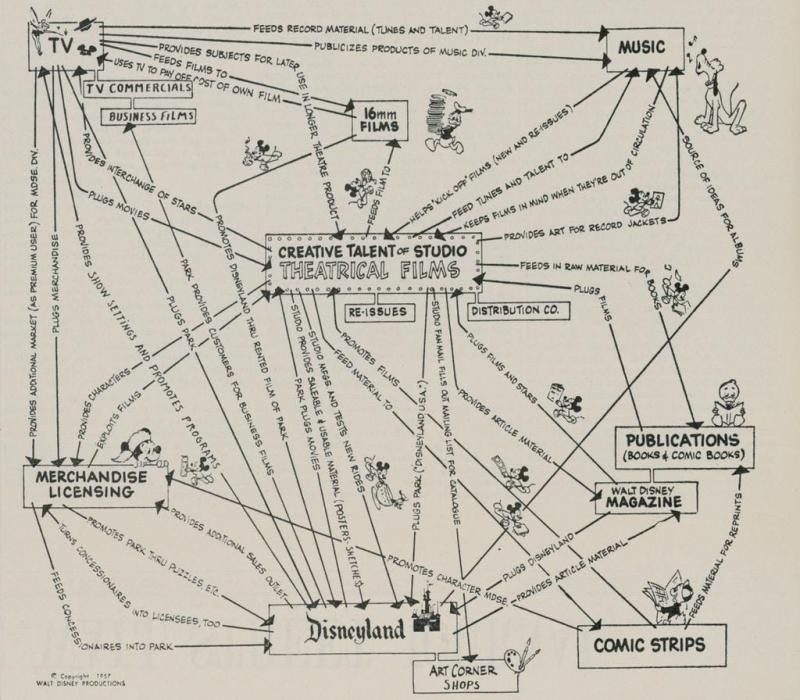
    2. We need to stay focused on delivering what we agreed upon. We need to execute on the plan our VC invested in. (see Walt Disney strategy map)
    3. Engage our VC team often as they can add value / help / make a positive impact. Watch out for VC partner speak– “you need to try” because it’s in “their portfolio” vs what works, saves you super important time!
    4. We absolutely have to sell / gain market share yesterday or we won’t be here in year two and there won’t be a B round raise.

    Sounds scary, especially if you’re not familiar with the startup world.

    Venture capital / investors want you to succeed – or they would not have put money into your business. They also know that startups have a historical 90%+ failure rate. And like the 100 other investments they made this year most (possibly your awesome XYZ) will fail and they are setup to quickly close your business down, sell any IP and move on – much faster than XYZ’s founders are likely willing to give up.

    They know on average only 10 will reach year 3 and “maybe” 1 will pay for the entire fund – and make them look like VC Rock Stars!

    So. It doesn’t take a brain surgeon to figure out as a startup CEO that sales and most importantly demonstrably repeatable sales or in VC speak MRR – (Monthly Recurring Revenue).  Those initial sales post A round investment must take place in a hockey stick / rocket like trajectory.

    They the key to a startup’s success and more importantly a ticket to the next B round raise and another celebration!

    Lessons learned:

    Startup CEO Keys to A round month 1

    1. To succeed the sales process must be awesome, repeatable, and sustainable. This is not the place to skimp on resources. Believer in your plan and execute. Burn Fast Burn Bright!
    2. The software to support sales success must be even better. Ditto – find a Sales Enablement partner(s) that will create a sales solution that fits your sales best practice process (the one your VC / you bet the ranch on).
    3. Time is money and if a prospective sales enablement partner can’t get your CRM up and running in weeks (not months) exit stage left – find a better / faster implementation partner(s).
    4. Your first Sales Super Star hires must fit the right SDR persona to burn bright out of the gate. The best sales reps know how much they are worth and bring their own “book of business” to a startup.
    5. Live and breathe sales until this part of your startup is right and your CRM shows a giant funnel with crazy growth projections. Every other part of your business can wait a little bit until the sales process has been proven. After that everything else will seem like smooth sailing to your B round raise.

    By focusing on getting the sales process / systems / solutions part of a startup right as soon as funding arrives, startup CEO’s will succeed or at least understand where they need to change to get to the next round and keep the doors open!

    #Startup #Entrepreneur #Venturecapital #SiliconValley #AI #Sales #Investor #technology