Wow – if you’ve been part of raising any round of venture capital you know how freaking awesome that feeling is that someone (any VC/Angel/Investor) is willing to bet on your idea and your team!
Champagne corks pop and celebrations are in order, for good reason!
97% of startups fail to raise capital – you’re already awesome on several startup levels! Drink in the victory you have attained and then next…?
The Venture Capitalist team than invested in you expects you to deliver on the strategic plan you sold them on.
Yesterday!
Let’s have a think about what your VC wants – outside of their investment in your amazing / awesome / market busting startup.
Burn Fast, Burn Bright!
VC Speak 101 (Internal Notes for LP’s only)
We invested in XYZ, their plan will work or fail in the next 12/18 months which fits this stage of our 10-year VC fund (year 1-3 are usually initial investment rounds)
Expectations are that they will need a top up in 12 months if their strategy hits. If not…
They need to immediately start selling the hell out of XYZ yesterday – the clock is ticking and just like the sword of Damocles – we will cut them quickly if need be.
At 12 months we should know if we need to write the investment off or starting to gather additional investors for a B round raise.
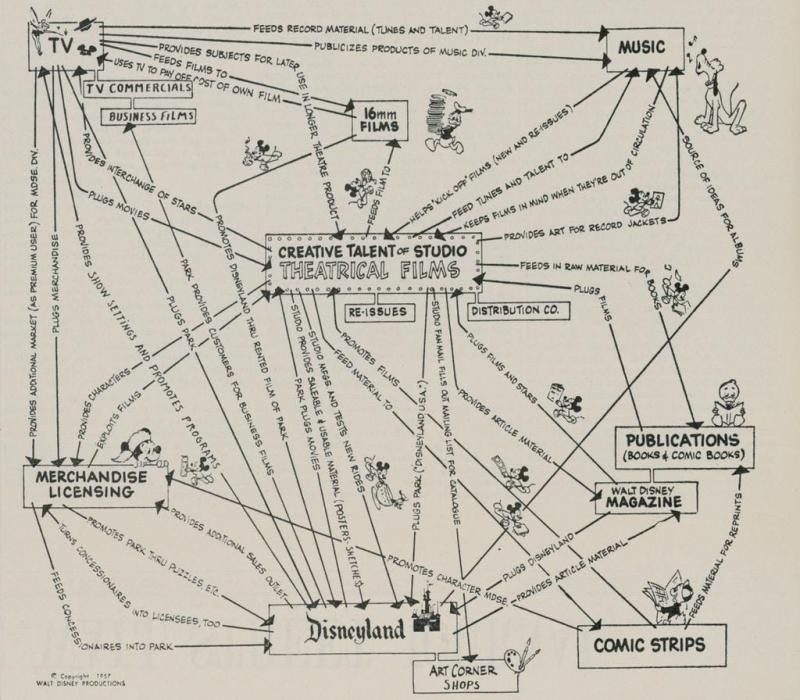
We need to stay focused on delivering what we agreed upon. We need to execute on the plan our VC invested in. (see Walt Disney strategy map)
Engage our VC team often as they can add value / help / make a positive impact. Watch out for VC partner speak– “you need to try” because it’s in “their portfolio” vs what works, saves you super important time!
We absolutely have to sell / gain market share yesterday or we won’t be here in year two and there won’t be a B round raise.
Sounds scary, especially if you’re not familiar with the startup world.
Venture capital / investors want you to succeed – or they would not have put money into your business. They also know that startups have a historical 90%+ failure rate. And like the 100 other investments they made this year most (possibly your awesome XYZ) will fail and they are setup to quickly close your business down, sell any IP and move on – much faster than XYZ’s founders are likely willing to give up.
They know on average only 10 will reach year 3 and “maybe” 1 will pay for the entire fund – and make them look like VC Rock Stars!
So. It doesn’t take a brain surgeon to figure out as a startup CEO that sales and most importantly demonstrably repeatable sales or in VC speak MRR – (Monthly Recurring Revenue). Those initial sales post A round investment must take place in a hockey stick / rocket like trajectory.
They the key to a startup’s success and more importantly a ticket to the next B round raise and another celebration!
Lessons learned:
Startup CEO Keys to A round month 1
To succeed the sales process must be awesome, repeatable, and sustainable. This is not the place to skimp on resources. Believer in your plan and execute. Burn Fast Burn Bright!
The software to support sales success must be even better. Ditto – find a Sales Enablement partner(s) that will create a sales solution that fits your sales best practice process (the one your VC / you bet the ranch on).
Time is money and if a prospective sales enablement partner can’t get your CRM up and running in weeks (not months) exit stage left – find a better / faster implementation partner(s).
Your first Sales Super Star hires must fit the right SDR persona to burn bright out of the gate. The best sales reps know how much they are worth and bring their own “book of business” to a startup.
Live and breathe sales until this part of your startup is right and your CRM shows a giant funnel with crazy growth projections. Every other part of your business can wait a little bit until the sales process has been proven. After that everything else will seem like smooth sailing to your B round raise.
By focusing on getting the sales process / systems / solutions part of a startup right as soon as funding arrives, startup CEO’s will succeed or at least understand where they need to change to get to the next round and keep the doors open!
Venture Capitalists weren’t born in the Matrix but sometimes it can feel that way if you’re a startup looking for capital.
They will invest in startups that have the right idea and key people to solve a big hairy problem with a large amount of potential revenue or users, needed for a successful VC exit. Whether its in the Metaverse or Matrix all VC’s want one thing.
Startups must scale very quickly to be successful.
Developing a scalable sales tech stack takes time and requires a very flexible and rapidly scalable CRM platform to manage all the sales tech data pipes. Startups must focus on keeping things as simple as possible for end users but still give them the right actions to do at the right time. This can be expensive for startups since they are often forced to pivot as they learn what is working or not. By building flexible and scalable tech systems from the beginning their odds of succeeding improve dramatically.
Entrepreneurs must consider what a VC or Investor maybe looking at when evaluating their company for a potential investment – at least from “What are they Going to Sell” perspective.
With that in mind. This is what VCs are looking for when evaluating your startup sales tech stack:
5 Reasons Why VCs Want You to use CRM / Sales Technology
Improved Revenue: A high-quality CRM properly implemented can help a Startup manage its sales pipeline more efficiently, resulting in improved sales and revenue. This helps boost the startup’s valuation and obviously more attractive to investors.
Superior Customer Engagement: A CRM can help a startup improve its customer experience by providing insights into customers behavior, preference and needs. This can help the startup develop better products and services, resulting in increased customer loyalty and higher revenue.
Operational Efficiency: A high-quality CRM can help a startup streamline its sales and marketing processes, resulting in improved operational efficiency. This can lead to cost saving and increases profitability, which can make the startup more attractive to investors.
Data Insights: A CRM can provide valuable data insights that can help a startup make more informed business decisions. This can help the startup develop more effective strategies, leading to improved revenue and profitability.
Scalability: A top CRM can help a startup scale its sales and marketing efforts more effectively and quickly. This can help the startup expand its customer base and grow its revenue, which can make it more attractive to investors.
Investors want startups to succeed or fail fast!
Their investment window is dependent on some of their investments growing quickly and that is where they need to focus, while others will fail and need to get off the books/harvest patents.
Many VCs prefer that you use Salesforce as it is the number one selling CRM.
They know they can get people to configure and implement the system, most sales people are familiar with it and it’s enterprise grade so scaling isn’t a big concern. It ticks a big funding box.
Next – whether a VC prefers a startup with Salesforce CRM or no CRM would depend on several factors. In general, if a startup already has a Salesforce CRM, it often indicates that they already have a well defined sales process and are using data to inform their decision-making. This makes their evaluation easier as they can see actual numbers vs. a hockey stick graph.
However, the absence of a CRM doesn’t always mean a startup is less attractive. VC’s maybe willing to invest in early stages of development – especially if a clear value proposition is backed by a clear sales process tracked to achieve rapid growth. Often VC’s have favorite CRM implementation partners that can quickly come in and set things up because they have a repeatable process in place.
One other way VC’s use CRM’s is to look at the numbers every day. Leading CRM AI packages (Such as Sentia) show VC’s every one of their investments in a simple dashboard showing daily sales, outbound activities and tracking to quota. They don’t have to call the CEO, they see it in real time. Most VCs like this because it reduces surprises and uncertainty.
Ultimately, whether a startup has a Salesforce CRM or no CRM it’s only one factor that VCs consider when evaluating potential investment opportunities. The most important factors are the startups overall business plan, the problem they plan to solve, quality of chosen team, potential for growth and profitability, and often most importantly how does your startup fit in the VC investment strategy and ten-year plan.