Blog
-

How AI Could Save (Not Destroy) Education
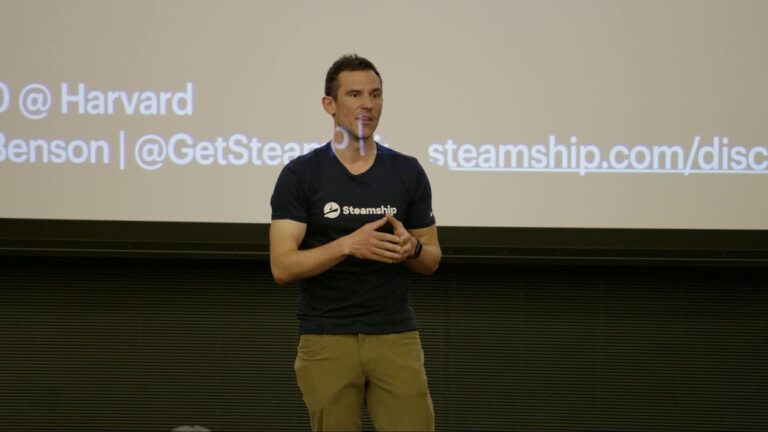
In this TED Talk, Sal Khan, the founder of Khan Academy, talks about how artificial intelligence (AI) can be used to improve education by providing personalized tutoring, coaching, feedback, and guidance for students and teachers. He demonstrates some of the features of their AI chatbot, Khanmigo, which can help students learn math, coding, literature, history, and more, and can also help teachers prepare lessons, assess students, and save time. He argues that AI can be a positive transformation for education if we use it wisely and ethically, and that it can help us achieve the 2 sigma problem, which is to give every student the benefits of one-to-one tutoring
-
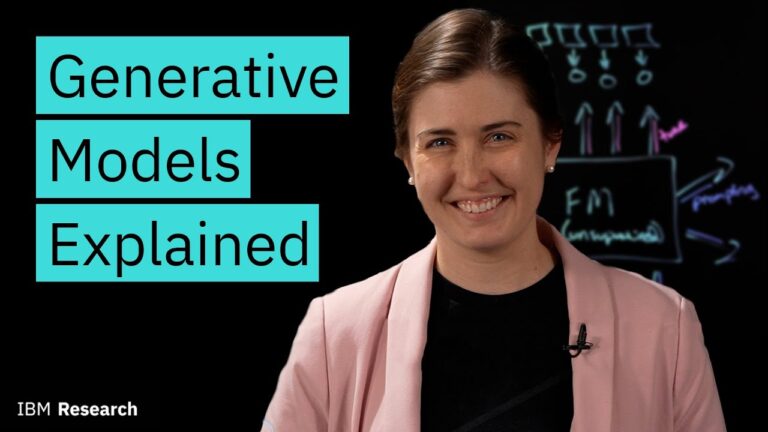
What are Generative AI Models?
This video by IBM Technology introduces the concept of foundation models, which are a type of generative AI that can perform various tasks across different domains by learning from large amounts of unstructured data. The video focuses on large language models (LLMs), which are foundation models that can generate and understand natural language. The video explains how LLMs work, how they can be tuned or prompted to perform specific tasks, and what are the advantages and disadvantages of using them. The video also gives examples of how IBM is innovating with foundation models in various domains, such as vision, code, chemistry, and climate change1
-

AI+Education Summit: Generative AI for Education
This video is a panel discussion on the topic of generative AI for education, which is the use of AI models that can generate text, images, audio, video, and code. The panelists are Percy Liang, Noah Goodman, and Dora Demszky, who are professors at Stanford University from different disciplines. They share their perspectives on how generative AI can change how and what we teach and learn, what are the opportunities and challenges, and what are the ethical and social implications. They also give examples of how generative AI can be used to answer and ask questions, generate problems, simulate students, provide feedback, and empower teachers3
-
Introduction to Generative AI
This video by Google Cloud Tech provides an introduction to Generative AI and how it works. It explains common applications for Generative AI, model types, and the fundamentals for how to use it
-
How to build your own GPT chatbot without coding (From Digital Trends)
To create your own custom GPT chatbot, follow these steps, requiring a moderate level of difficulty and approximately 30 minutes. Ensure you have a desktop PC, laptop, or smart device with the ChatGPT app and a GPT-Plus subscription.
- Access ChatGPT Platform: Navigate to the ChatGPT website or open the ChatGPT app and log in. If you don’t see the “Create a GPT” button, the Custom GPT feature might still be rolling out globally. Wait for a day or two and try again.
- Initiate Custom GPT: Click on the “Create a GPT” button at the top of the page.
- Provide Details:
- Give your custom GPT a name, description, and custom instructions. This functions as a preamble specific to this GPT.
- Utilize the Preview window on the right to observe how the AI responds to prompts. Adjust instructions on the left until you’re satisfied with its performance.
- Incorporate Data:
- Optionally, add specific data such as documents and files for the AI to reference. Observe how this affects the AI’s operations, and adjust instructions accordingly.
- Adjust Functions:
- Tailor the potential functions of the AI. Decide if you want it to possess DALL-E art generation abilities, access the Bing search engine, or perform deeper data analytics.
- Customize plugin access if applicable.
- Review and Finalize:
- Evaluate the AI’s performance and adjust settings as needed.
- Once satisfied, click the green “Publish or Update” button to finalize your custom GPT.
- Your newly created custom GPT will appear in the left-hand menu with OpenAI GPTs and any other creations.
By following these steps, you can quickly and effectively create a custom GPT chatbot tailored to your preferences and requirements. Keep in mind that a GPT-Plus subscription is necessary to access the Custom GPT feature.
-

Think You Know Your Buyer?
Today’s consumer is increasingly accustomed to a digital world that offers intuitive interfaces, around-the-clock availability, real-time fulfillment, personalized treatment and zero errors. They are more connected, distracted, short on time and accustomed to instant answers — but let’s not look at this as characteristics of an age group, but rather the direction in which today’s modern customers are evolving.
Known as the “Generational Customer” they are not defined necessarily by age but by their changing expectations.
This evolutionary shift in buying behavior is also transforming how today’s enterprise must align its’ processes to engage with the expectations of these individuals. These are aggressively becoming the traits in the modern buyer. Exposed to the relatively simple purchasing processes in the B2C (Business to Consumer) world, they are now expecting the same sort of experience with B2B (Business to Business) suppliers.
And enterprises are failing to recognize this shift.
Buyers are increasingly more tech savvy and comfortable engaging with sellers via multiple channels such as phone calls, email, text and social media. They demand that businesses know about them from their very first interaction and want the people they buy from to be as available to them as other people they know.
They are informed and content-driven, demanding more self-service capabilities for product research, trial, and purchase. Buyers are demanding to get information in any way they want, and they want it fast. Enterprise businesses may assume that their buyers don’t want or need to engage with them as often during the buying process, however this notion is not correct.
An overwhelming majority of buyers want to hear from and meet with sellers and they want to hear from them early in the buying process. (RAIN Group)
Companies today must transform digitally as they have to compete in a world in which both end consumers and business customers expect products and services to meet their needs, on demand, across channels — and they want engagement with sellers exactly when they’re ready for it.
All of these trends are leading to more complex sales activities that require a new breed of sales professional armed with the right skills, processes and tools to maximize their sales outcomes.
There has been a significant shift toward subscription-based business models that are redefining how sellers add value and manage customer relationships in today’s rapid business environments.
However, investing in the right skills through strategies such as better hiring decisions and staff development will only get sales leaders so far in building the new breed of sales professional required to combat these trends.
Recruitment of this new breed of sales professional is also a challenge that is becoming more acute as they are also this Generational Customer type themselves and will tend to seek and change roles routinely in search of diverse experiences and rewards.
As a result, enterprises will become more and more dependent on developing and applying effective sales processes and tools that mimic the practices of their best performing sales professionals to unlock the potential from their existing sales force.
Think you know your buyer? How businesses adapt in response to this changing landscape may vary but the modern buyer expects these changes, and they expect them now.
Meeting these expectations is critical because the prevalence of these generational customers is only going to become more significant over time.
Currently Founder & CEO at Sentia, over the past 30 years, David Forder has taken on various challenging positions including three separate leadership roles in multi billion businesses and driven these companies to deliver enormous growth and improvement. Having run organizations across Australia, Asia and the USA, he has an impressive track record of working across multiple cultures and throughout a diverse set of industries including the chemical and coatings, retail, building & construction, aerospace/defense and general industrial businesses.
-

Don’t Quit Too Soon!
We have all experienced it.
We have a new lead passed to us or have had a first meeting with a prospective customer. We agree with them to organize a follow up and then start trying to email or call to make the next meeting date!
How many times do you then try to get a hold of a prospect? 2 emails? 4 emails? 10?
How about calls? 3 calls & messages left? 4?
Did you know that statistics show that it takes on average 8 to 12 attempts to reach a prospect by phone!
8 to 12!!
Most of us quit after a couple of tries with no response.
The toughest part of our job as sales professionals is having to deal with rejection .. or especially ghosting!
It takes a very thick skin to be able to deal with being completely ignored time and again and still keep calling.
So what to do!
First – never stop trying to get through to a prospect (especially if it is one that has expressed genuine interest) as it will take on average the 8 to 12 attempts –
Some prospects see your repeated attempts as a sign that they are of value and that they will control when they are ready to speak to you. It is almost a test of your interest.
Remember – this is not a cold call. They have expressed some level of interest. Don’t quit too early.
Secondly, try to get through in other ways. Try calling on office phones rather than mobiles. If simple emails don’t work in eliciting a response maybe try sending them some useful information or something you think they may be interested in separately to but interspersed with requests for a catch up.
Or, perhaps send them a gift – perhaps a book or tickets to an event by courier. You can then be sure they received it (as you will have a signature) but follow up with a call to ‘check’ that they did. You are far more likely to get a response to this call.
The key message is be creative but do not stop calling too early or you will definitely fail in making the sale!
Currently Founder & CEO at Sentia, over the past 30 years, David Forder has taken on various challenging positions including three separate leadership roles in multi billion businesses and driven these companies to deliver enormous growth and improvement. Having run organizations across Australia, Asia and the USA, he has an impressive track record of working across multiple cultures and throughout a diverse set of industries including the chemical and coatings, retail, building & construction, aerospace/defense and general industrial businesses.
-

Get More From Salesforce.com For Free!
With a large proportion of US businesses now firmly entrenched in the salesforce.com camp with regard to CRM, I thought I would suggest a few ways that salesforce users can get more from their system without necessarily needing to spend more cash.
If you have a salesforce.com CRM in your business, or if you are just looking at it now you will have an allocated Salesforce Account Executive.
You may not have had much contact with them after you purchased your CRM; that being said it is their job to ensure that you are satisfied with the platform. They are rewarded when you happily renew or expand the number of seats you purchased. This gives them a great incentive to help you with any issues or challenges that you may be having.
So, if you want to fully leverage the advantages your CRM will provide then make them your new best friend!
Working with your Salesforce account manager can be a win-win.
So, to the next question I am often asked.
- Who are they and how do I find them.
This is fairly simple to determine if you are a salesforce administrator at your business or if you know who the salesforce administrator is at your firm.
On your CRM, any administrator can head to their user profile and enable an option called “Checkout”. This “checkout” function is going to be upgraded in February 2022 but it works for now and the replacement app will no doubt provide the same information (details)
After enabling this feature, while logged in to Salesforce, head to the salesforce webstore (store). At the bottom right you will see the contact information for your personal Account Executive.
There you go – a salesforce consultant and expert for free!
If you do want to get more from your system then this is the person that can find the right information & resources for you. Experienced account executives work with many clients – some of these are likely to have the same challenges you do and your AE can discuss with you what others may have done to solve these.
Listen to them. It is normal human behavior to think “They are just trying to sell me more seat licenses.” but it may be that these add-ons are the solutions to your problems or will allow you can realize more value from your system.
This resource is in effect a free CRM consultant – take advantage of their knowledge. After all the price is right.
If they do suggest more spend, at least look at the solutions that they suggest. Do the math on this additional Salesforce investment. It may provide great returns in time and productivity.
2. Remember they have a “brains trust” behind them
Your account executive works for Salesforce and they are plugged in to what is an enormous business. They have a vast body of knowledge and resources that can be accessed to provide you with what you need to know.
If they don’t know something, they probably know how to get the answer you need. Don’t be afraid to ask questions and make sure that you are persistent. They will be service-driven but to be blunt, their first focus is to sell more seats. That does not mean that they won’t be there to help and support you but you may need to be persistent and it may take more time than you expect to get answers.
That’s OK.. this is free help that you didn’t know existed until now.
3. This Account Executive is likely to change frequently
Salesforce continues to experience enormous growth and as such they have staff moving around, turning over and moving upwards. The individual with the task of owning your account is likely to change regularly.
That’s OK – variety is the spice of life!
It is always a good idea to have a short brief on your business ready to go and if reaching out for advice/support send this upfront. You want any sessions with your salesforce exec to be of real value (free consultant remember) so the more information you can provide them upfront the better.
4. Record the meetings
Take notes, record zoom calls, even have a scribe if that’s your thing but in a conversation with them make sure you get as much detail out of it as possible.
As noted, they’re busy and it may be tough to book a lot of sessions to help you, so extract every bit of goodness that you can from the ones that you do have. Have a plan.
5. Agree actions
If they promise to track down information for you that will help you get more out of your salesforce system then record this, copy them on this note (remember they may have many priorities and can easily push you down the list) and then hound them until they deliver.
They do genuinely want to help you. Help them help you by managing the relationship.
6. Build a relationship
You should always know who your account executive is. Build a good relationship with them. Dangle the carrot of more seats or more feature sales for them to try to extract as much value as you can for your business.
Think about what you need and find out what they can deliver. Also building a relationship is a two way street. Listen to their challenges also and you’ll likely learn something as well as perhaps get faster help in the future. People like to feel you’re engaged – especially with todays digital based communication.
7. Contact us at Sentia
As a salesforce partner (with an amazing upgrade to the standard sales cloud available right now!), we enjoy helping out clients or potential clients with salesforce advice and tips.
We learn from every new sales team discovery session and never feel that a call is a waste of time. We will always tell you if we can help or not. In fact, we often provide (FREE!) a fast fix session for businesses detailing a few easy things that they can do themselves (and how to do it) to generate more value from their system.
Ask me and we can set up a call!
Founder & CEO at Sentia, over the past 25 years, David Forder has taken on various challenging positions including three separate leadership roles in multi billion businesses and driven these companies to deliver enormous growth and improvement. Having run organizations across Australia, Asia and the USA, he has an impressive track record of working across multiple cultures and throughout a diverse set of industries including the chemical and coatings, retail, building & construction, aerospace/defense and general industrial businesses.