Category: Sales

  • Risk and AI for Corporations – 10 Things to Evaluate Right Now!

    Risk and AI for Corporations – 10 Things to Evaluate Right Now!

    The corporate landscape is changing faster than ever before and its speed is increasing exponentially.

    The road to business and sales success which were easy to follow in yesteryear has been replaced with crooked pavement and too many potential twists and turns to easily predict the right path forward.

    Artificial Intelligence (AI) is the reason for this corporate revolution, offering unprecedented opportunities for speed, growth, knowledge, and efficiency. However, as every comic book reader knows with great power comes great responsibility, and AI is no exception.

    In fact, the biggest concern is that AI is moving so fast that what is legal or not, is in question as new precedents are set and new laws in Europe and the USA start to form. Sam Altman CEO of Open AI has even gone on record to state that the AI Revolution maybe moving too fast for Society to Adapt. Same with Business!

    The challenge for any C-Suite team is understanding which AI risks are real vs. AI fear mongering.

    Corporations must be vigilant when integrating new AI applications into their operations. They must be clear regarding the known risks and be prepared if their AI goes rogue how they are going to handle it. With AI you can’t know everything that is coming, but corporations must look at the big picture when implementing AI, and know the potentially amazing, good while being prepared for the ramifications of a bad AI install or employees using AI illegally (likely without even knowing it).

    Top 10 AI Risks Corporations Face Today 

    AI Risk Potential Impact Risk Mitigation Strategies 
    Data Privacy Unauthorized access to sensitive information – AI “sees everything”  Implement robust encryption and access controls 
    Bias in Decision-Making Unfair treatment and discrimination Regularly audit algorithms for bias and fairness 
    Security Vulnerabilities Cyber-attacks exploiting AI weaknesses Conduct frequent security assessments and updates 
    Compliance Risks Fines and penalties for non-compliance Stay updated with regulations and ensure AI adherence 
    Lack of Explainability Difficulty in understanding AI decisions Develop explainable AI models and provide transparency 
    Dependence on AI Over-reliance leading to skill degradation Encourage human oversight and continuous learning 
    Job Displacement Loss of jobs due to automation Invest in workforce reskilling and upskilling programs 
    Ethical Concerns AI actions conflicting with moral values Establish an AI ethics board and clear guidelines 
    Misinformation Spread of false information by AI Design AI with fact-checking and source verification 
    Intellectual Property Risks Theft or misuse of AI-generated content Secure intellectual property rights for AI creations 

    This article covers just ten current AI concerns and each of these is an entire paper with a risk mitigation strategy associated with it and a team of AI lawyers ready to deploy! If you’re interested in learning more check out Sentia AI’s interview with AI Lawyer Gary Kibel.

    The long and the short of it is the rapidly evolving landscape of AI, corporations must stay ahead of these risks to harness AI’s full potential while maintaining trust and integrity. By proactively addressing these concerns, businesses can pave the way for a future where AI and human ingenuity work hand in hand for the betterment of society. 

    — 

    Paper Source(s) 

    1. AI: These are the biggest risks to businesses and how to manage them 

    2. Identifying and managing your biggest AI risks | McKinsey 

    3. How Organizations Can Mitigate the Risks of AI 

    4. 12 Dangers of Artificial Intelligence (AI) | Built In 

    5. Risks of AI vs. Risks From AI: Where Should Enterprise Focus … 

    6. What are the risks of using AI in business? – Financial Times 

  • 10 Ways Banks are Using Generative Artificial Intelligence Right Now!

    10 Ways Banks are Using Generative Artificial Intelligence Right Now!

    Banks are the life blood for many small and medium-sized businesses across North America. They often know the community, business leaders and local business environment better than anyone else.

    Their typically fiscally conservative but willing to try new business practices or technology if they can see a clear value proposition for their customers and their bottom line.  Is AI something that could differentiate their businesses?

    The answer is a resounding YES!

    Savvy, forward thinking bankers are increasingly turning to Generative AI to enhance their competitive edge. Here are ten ways they’re doing it, complete with real-world examples: 

    AI in Banks (see use links below)

    1. Personalized Customer Experiences: Banks like Wells Fargo are pioneering Large Language Models (LLMs) to create multimodal banking experiences, offering personalized services [3]. 
    2. Efficient Risk Assessment: Commonwealth Bank of Australia (CBA) uses Generative AI for enhanced customer experience and combating financial abuse [3]. 
    3. Fraud Detection: JPMorgan Chase employs Generative AI to analyze emails for signs of fraud, improving their detection systems [5]. 
    4. Automated Customer Service: Bunq has introduced a GenAI bot for its banking app, streamlining customer service interactions [3]. 
    5. Market Trend Analysis: Deutsche Bank provides AI-powered personalized investment guidance, helping customers navigate market trends [3]. 
    6. Regulatory Compliance: HSBC is training AI software to manage back-office functions, ensuring compliance with regulations [4]. 
    7. Operational Efficiency: Royal Bank of Canada (RBC) uses AI to automate process-heavy tasks, increasing operational efficiency [4]. 
    8. Credit Scoring Models: Banks are refining credit scoring with AI, though specific examples are under proprietary use and not publicly disclosed. 
    9. Investment Strategies: AI-driven models assist banks like Deutsche Bank in developing robust investment strategies [3]. 
    10. Customized Banking Products: Generative AI helps banks create financial products tailored to their community’s needs, as seen with Wells Fargo‘s LLMs [3]. 

    5 Ways Community Banks Can Integrate Private LLMs to Safeguard Corporate Content 

    Community banks are also cautiously adopting Private LLMs to protect sensitive data and reduce AI Liability exposure. Here’s how they’re doing it: 

    1. Data Control: Morgan Stanley Wealth Management uses an advanced chatbot powered by OpenAI’s technology to leverage the bank’s research and data library while maintaining data control [7]. 
    2. Customized Solutions: Banks can develop bespoke tools that align with their operational models, similar to ABN AMRO‘s use of Generative AI to summarize conversations between bank staff and customers [7]. 
    3. Secure Customer Interaction: By managing customer data securely, banks like ABN AMRO ensure privacy and build trust with their customers [7]. 
    4. In-House Expertise: Developing in-house expertise with Private LLMs allows banks to produce more accurate and relevant insights, as demonstrated by Morgan Stanley [7]. 
    5. Strategic Innovation: Private LLMs enable banks to innovate strategically, developing unique services that differentiate them from competitors, much like Morgan Stanley‘s approach [7]. 

    In conclusion, banks are not just keeping pace—they’re setting the pace, using Generative AI and Private LLMs to redefine the banking experience for their customers and secure a competitive edge in the digital age. However, they do need to keep pace on the evolving AI Legal Landscape as new precedents are set and new laws hit the book. See this video for more on AI Legal Challenges.  

    This article includes specific examples of large banks and community banks using Generative AI, Private LLMs, Data Security and with references to further information on their applications. 

    Article Link Source: Conversation with Copilot 

    1. Generative AI in Banking Best Practices in 2024 [With Examples] 
    2. Here’s how banks are using and experimenting with generative AI 
    3. Leading banks rolling out more generative AI – Oracle 
    4. Generative AI in finance: How banks are using LLMs in 2023 
    5. Generative AI in banking and financial services | McKinsey 
    6. Generative AI’s unfolding transformation of banking 
    7. Top 4 Use Cases of Generative AI in Banking [2024] – AIMultiple 
    8. Bridging the AI Divide: How Banks Can Responsibly Adopt Large Language … 
    9. Private LLMs on Your Local Machine and in the Cloud With LangChain … 
    10. Private LLMs: Key to Business Innovation and Secure AI Integration 

    Tags: #banks #banking #communitybanks #finance #OpenAI #LLM #LLMs #AI #usecase #CEO #CFO #CMO #technology #WallStreet #financialservices #loans

  • The Risks & Legal Perils of AI Right Now

    The Risks & Legal Perils of AI Right Now

    In this impressive AI Legal Panel review top NYC AI Lawyer Gary Kibel JD/MBA and AI Startup SME CEO David Forder are interviewed by David Brown MBA on the legal Risks and Rewards of AI right now.

    AI Legal Risk Topics Include:

    What are corporate employees doing that is illegal and they probably don’t know it?

    How does the C-Suite View AI from a Legal Perspective?

    What can CEO’s do right now to significantly mitigate AI Legal Risk?

    What has Europe done around AI, Data Privacy and business use, the USA may follow?

    How can you evaluate your AI software use internally?

    How do you legally protect your data against AI malfeasance?

    How do you evaluate AI from a legal perspective before deployment?

    Should Corporate AI Lawyers create new Human Resource policies specific to employee AI use?

    These are just some of the many AI legal topics we reviewed in this fascinating AI panel discussion.

  • Embracing AI: The Competitive Edge in the New Financial Year

    Embracing AI: The Competitive Edge in the New Financial Year

    A Few Things to Know Right NOW

    The Australian financial year is ending soon.

    While reviewing past decisions is important, it’s even more crucial to look ahead and start planning for what’s next.

    AI: More Than Just Hype

    Artificial intelligence (AI) isn’t a passing trend; it’s here to stay. Tools like Copilot, Claude, Gemini, and ChatGPT are revolutionising workplaces, offering solutions that once seemed like science fiction.

    These tools go beyond automating basic tasks. They enhance human capabilities, drive innovation, and improve efficiency. Companies that start building AI capability now won’t just survive; they’ll thrive and leave competitors behind.

    Investing in the Future

    As you plan for the new financial year, budgeting and allocating resources for AI adoption is essential. It’s not about a massive over hauls about a strategic investment. Even small steps can lead to a significant competitive edge.

    Starting Your AI Journey

    The saying “It doesn’t matter how slowly you go as long as you don’t stop” by Michael Jordan applies perfectly to AI adoption. It’s a long road, but taking that first step and staying committed is key.

    How to plan for AI capability

     Here’s what to consider when planning for AI:

    1. Identify opportunities: Where can AI benefit your business the most? Can it help deliver faster, cheaper, or better performance in specific functions, activities, processes, or steps?
    2. Choose the right solution: There are four main AI options, listed in order of cost:
      • Public chatbots (Copilot, Claude, Gemini, ChatGPT): These are readily available but require training staff for optimal use and addressing weaknesses like security and factual accuracy.
      • AI Extensions to existing systems: This involves integrating AI with your existing Enterprise Information Systems (EIS) to enhance their capabilities. Sentia is expert in this area, especially with CRMs.
      • Private chatbots: Similar to public chatbots, but trained on your company’s private data, making it inaccessible to outsiders.
      • Specialist Large Language Models (LLMs): These offer the benefits of private chatbots with the added advantage of being tailored to your specific industry or organisation.
    3. Prioritise initiatives: Which opportunities should you address in the coming year?
    4. Estimate benefits: Consider potential gains like revenue growth, cost savings, efficiency improvements, quality enhancements, and a stronger competitive edge.
    5. Analyse costs: Factor in the costs associated with your chosen AI solution.
    6. Calculate the return: Estimate the return on investment (ROI) to justify your plan.
    7. Move forward: If the ROI is positive, argue for adding your initiative to the budget.
    8. Implement: Turn your plan into action.
    9. Watch and adjust: Monitor as you go. Adapt as you learn.

     The Final Word

     Don’t let ‘the AI issue’ languish in your company for twelve more months – budget for those first steps this financial year coming!

    As Principal of Nielsen Knowledge, Brian helps organisations adopt AI intelligently. In 28 years in consulting, he has worked with private enterprise, the social impact sector, and the three tiers of government. Brian’s experience covers industries as varied as: agriculture, defence, energy generation and transmission, engineering, financial and insurance services, healthcare and medicine, information services, legal and justice, media, mining and resources, oil and gas, professional services, telecommunications, and waste and recycling.

  • What Data can CFO’s Trust Right Now?

    What Data can CFO’s Trust Right Now?

    Are CFOs just like Sherlock Holmes, always searching for accurate data?

    Ah, the mystical world of finance—the place where numbers dance, spreadsheets sing, and CFOs sip their morning coffee while pondering the existential question: “Is this balance sheet lying to me?” Did my CSO get those pesky salespeople to enter accurate data this week? Can I trust it this time?

    You see, dear reader, CFOs are a unique breed. They’re like the Sherlock Holmes of the corporate world, except instead of solving crimes, they’re unraveling financial mysteries. And trust me, there’s no shortage of those in today’s corporate databases. Its like a CSI crime scene that so many walked on the data is no longer accurate, can’t be used to solve the case.

    So, why the skepticism? Why do CFOs eye their financial data like a suspicious cat eyeing a new houseplant? Why do CRO’s hate the dreaded CFO Call “What is really going on with your sales projections – Gandalf?” Let’s dive into this with the grace of a synchronized swimmer and the wit of a stand-up comedian.

    1. The Data Comes from Too Many Sources

    Imagine you’re at a dinner party, and everyone’s talking at once like an ADD conference. The wine is flowing, the appetizers are aplenty, and the conversation is a delightful cacophony. Now, replace the wine with Excel sheets, the appetizers with databases, and the conversation with financial data. Voilà! You’ve got the CFO’s dilemma.

    CFOs juggle data from accounting systems, CRM platforms, spreadsheets, and that one ancient ledger in the basement guarded by a grumpy janitor with a dwarf axe. It’s like conducting an orchestra where the violinist is playing Beethoven, the flutist is jamming to jazz, and the tuba player insists on beatboxing like a rap star.

    We asked AI CRM SME and CEO Mr. David Forder – Why don’t CFO’s trust their CRM data? David said: “CFO’s know their data isn’t reliable. Sales people don’t enter data or enter it incorrectly or at the last minute-making accurate forecasting extremely difficult. CFO’s must have close relationships with sales directors to ensure they know what is likely vs. what is actually in the CRM or system of record. At Sentia AI we assume sales reps won’t put in data and do it for them. This significantly increases CRM accuracy.”

    2. Clunky Spreadsheets: The CFO’s Arch-Nemesis

    Picture this: a CFO, hunched over a computer, squinting at a spreadsheet that looks like it was designed by a blindfolded octopus. Rows and columns twist and turn, formulas multiply like rabbits, and somewhere in cell D42, the meaning of life is hidden (or maybe just the quarterly revenue).

    Spreadsheets are the Bermuda Triangle of financial data. CFOs fear that one wrong keystroke could plunge them into a vortex of miscalculations, where profit margins vanish, and debt multiplies like rabbits (again). No wonder they’re wary.

    3. Outdated Processes: The Ghosts of Accounting Past

    Remember the days when accountants used quills and inkwells? Neither do I, but apparently, some financial processes haven’t caught up with the 21st century. Manual data collection, handwritten ledgers, and carrier pigeons delivering invoices—okay, maybe not the pigeons, but you get the idea.

    CFOs stare at these relics and wonder, “Did our ancestors also struggle with reconciling petty cash?” The answer is probably yes, but they didn’t have to deal with Sarbanes-Oxley compliance, so it evens out.

    4. The Suspiciously Perfect Numbers

    Imagine you’re baking a cake, and every ingredient magically falls into place: exactly 2.5 cups of flour, precisely 1.75 teaspoons of baking powder, and a dash of unicorn tears. Suspicious, right? Well, that’s how CFOs feel when financial statements align too perfectly.

    “Is this real, or did the accounting elves visit last night?” they muse. “Did the revenue curve really follow a Fibonacci sequence or did they put in numbers they think I want to see?” It’s like finding a four-leaf clover every day—lucky, but also a tad eerie.

    In Conclusion: Trust, but Verify

    So, dear CFOs, keep your skepticism sharp and your calculators sharper. Trust your financial data, but verify it like a detective chasing down leads. And remember, even if the numbers seem fishy, at least they’re not as slippery as that salmon mousse at the dinner party.

    Now, if you’ll excuse me, I’m off to write a spreadsheet-themed murder mystery. Spoiler alert: The killer is the pivot table.

    David Brown, signing off with a wink and a formula. Here is the formula – if you need help figuring out how to get AI into your CRM to create believable forecasts contact the AI experts at www.sentia.online


    Disclaimer: The views expressed in this article are purely fictional and meant for entertainment purposes. No unicorns nor CFOs were harmed during this articles creation. Stay tuned!

    Tags: #CFO #CSO #CRO #Data #CRM #Salesforceai #AI #accounting #funny #cybersecurity

  • 10 Ways COO’s are Harnessing AI – Right Now and a look to the future

    10 Ways COO’s are Harnessing AI – Right Now and a look to the future

    Artificial Intelligence (AI) is revolutionizing the business landscape, and Chief Operating Officers (COOs) are at the forefront of this transformation. From streamlining operations to making informed strategic decisions, AI is a powerful tool in the hands of a COO. Let’s explore the top ten ways COOs are currently using AI and look at some real-world examples.

    Top Ten Ways COOs are Using AI

    1. Predictive Maintenance1: AI algorithms can analyze data from sensors and machinery to predict when a piece of equipment is likely to fail, allowing maintenance to be performed just in time.
    2. Demand Forecasting1: AI-driven demand forecasting uses past sales data, market trends, and consumer behavior to predict future product demand accurately.
    3. Price Optimization1: Dynamic pricing strategies are revolutionized by AI, which considers factors such as market demand, competitor pricing, and inventory levels to determine the optimal price for products or services.
    4. Supply Chain Optimization1: By analyzing data across the entire supply network, AI can optimize routes, reduce shipping costs, and improve supplier selection.
    5. Chatbots and Virtual Assistants1: Intelligent chatbots and virtual assistants enhance customer service while reducing manpower costs.
    6. Fraud Detection1: In finance and e-commerce, AI can identify patterns indicative of fraudulent activity, flagging transactions for further investigation and preventing financial loss.
    7. Customer Relationship Management2: AI is used to improve customer service, cut business costs, and supercharge business processes.
    8. Digital Personal Assistants2: AI-powered digital personal assistants are used to make technology more accessible and offer support to customers.
    9. Inventory Management2: AI is used to manage inventory effectively, reducing holding costs, and avoiding stockouts or overproduction.
    10. Content Production2: AI models can generate marketing content, financial reports, and even assist in product design.

    Bonus: Future Use Cases for COOs

    Looking ahead, AI continues to offer exciting possibilities for COOs. Here are three potential use cases a year from now:

    1. Real-Time Global Market Shifts3: Advanced AI systems might provide businesses real-time global market shifts, nuanced consumer sentiment evaluations, and even predict emergent industry trends by correlating diverse data sources.
    2. Strategic Business Proposals3: We can anticipate AI generating strategic business proposals, crafting comprehensive market strategies, or even simulating product launches to predict outcomes.
    3. Sales Forecasts and Risk Analysis3: Businesses may use AI for sales forecasts, risk analysis, and customer behavior predictions.

    COO’s are experimenting with a number of different use cases, price points and integration challenges. Over the next two years there will be less experimentation and more focus on implementing tools that provide AI advantages. That will also involve everything around the AI as well as the tools themselves.

    Conclusion

    As we’ve seen, AI offers a myriad of opportunities for COOs to enhance efficiency, inform strategic decisions, and create new value streams. As AI continues to evolve, we can only expect its impact on business operations to grow.

    For More information on how these roles are using AI:

    What do CEO’s Need to Know about AI to Avert AI Legal Disaster

    Keeping Counsel – What are AI Corporate Lawyers worried about?

    Top Ten Most Used CFO AI Prompts

    CMO? Top Ten AI Use Cases

    Tags: #COO #AI #usecase #CEO #CFO #CMO #technology

  • Woo Hoo! You Just Won your A Round Startup Raise! “What does your VC really want you to do next?”

    Woo Hoo! You Just Won your A Round Startup Raise! “What does your VC really want you to do next?”

    Wow – if you’ve been part of raising any round of venture capital you know how freaking awesome that feeling is that someone (any VC/Angel/Investor) is willing to bet on your idea and your team!

    Champagne corks pop and celebrations are in order, for good reason!

    97% of startups fail to raise capital – you’re already awesome on several startup levels! Drink in the victory you have attained and then next…?

    The Venture Capitalist team than invested in you expects you to deliver on the strategic plan you sold them on.

    Yesterday!

    Let’s have a think about what your VC wants – outside of their investment in your amazing / awesome / market busting startup.

    No alt text provided for this image

    Burn Fast, Burn Bright!

    VC Speak 101 (Internal Notes for LP’s only)

    1. We invested in XYZ, their plan will work or fail in the next 12/18 months which fits this stage of our 10-year VC fund (year 1-3 are usually initial investment rounds)
    2. Expectations are that they will need a top up in 12 months if their strategy hits. If not…
    3. They need to immediately start selling the hell out of XYZ yesterday – the clock is ticking and just like the sword of Damocles – we will cut them quickly if need be.
    4. At 12 months we should know if we need to write the investment off or starting to gather additional investors for a B round raise.
    No alt text provided for this image

    CEO Startup Up 101 Speak (Internal Notes only)

    1. VCs are our friend as long as we are doing well and fit within their 10 year investment fund cycle.
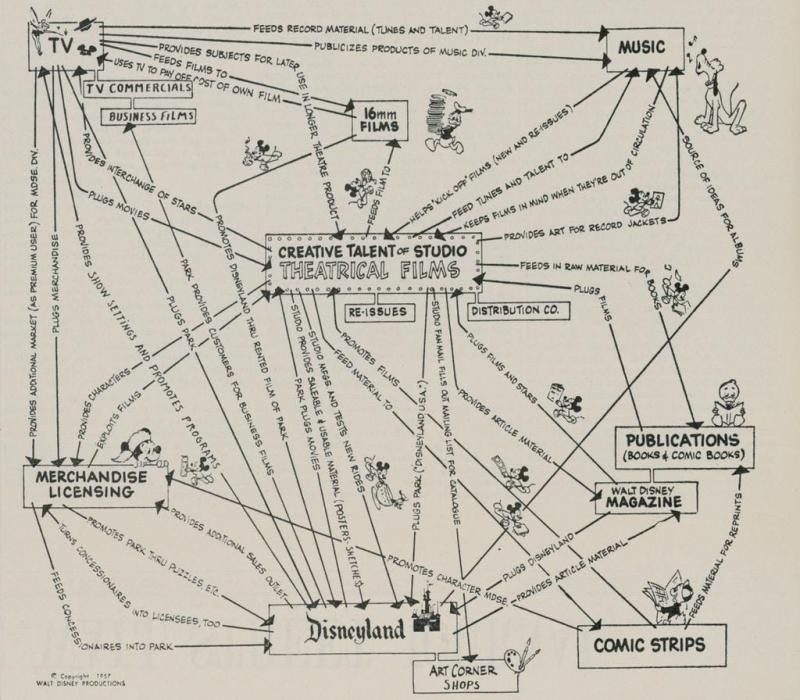
    2. We need to stay focused on delivering what we agreed upon. We need to execute on the plan our VC invested in. (see Walt Disney strategy map)
    3. Engage our VC team often as they can add value / help / make a positive impact. Watch out for VC partner speak– “you need to try” because it’s in “their portfolio” vs what works, saves you super important time!
    4. We absolutely have to sell / gain market share yesterday or we won’t be here in year two and there won’t be a B round raise.

    Sounds scary, especially if you’re not familiar with the startup world.

    Venture capital / investors want you to succeed – or they would not have put money into your business. They also know that startups have a historical 90%+ failure rate. And like the 100 other investments they made this year most (possibly your awesome XYZ) will fail and they are setup to quickly close your business down, sell any IP and move on – much faster than XYZ’s founders are likely willing to give up.

    They know on average only 10 will reach year 3 and “maybe” 1 will pay for the entire fund – and make them look like VC Rock Stars!

    So. It doesn’t take a brain surgeon to figure out as a startup CEO that sales and most importantly demonstrably repeatable sales or in VC speak MRR – (Monthly Recurring Revenue).  Those initial sales post A round investment must take place in a hockey stick / rocket like trajectory.

    They the key to a startup’s success and more importantly a ticket to the next B round raise and another celebration!

    Lessons learned:

    Startup CEO Keys to A round month 1

    1. To succeed the sales process must be awesome, repeatable, and sustainable. This is not the place to skimp on resources. Believer in your plan and execute. Burn Fast Burn Bright!
    2. The software to support sales success must be even better. Ditto – find a Sales Enablement partner(s) that will create a sales solution that fits your sales best practice process (the one your VC / you bet the ranch on).
    3. Time is money and if a prospective sales enablement partner can’t get your CRM up and running in weeks (not months) exit stage left – find a better / faster implementation partner(s).
    4. Your first Sales Super Star hires must fit the right SDR persona to burn bright out of the gate. The best sales reps know how much they are worth and bring their own “book of business” to a startup.
    5. Live and breathe sales until this part of your startup is right and your CRM shows a giant funnel with crazy growth projections. Every other part of your business can wait a little bit until the sales process has been proven. After that everything else will seem like smooth sailing to your B round raise.

    By focusing on getting the sales process / systems / solutions part of a startup right as soon as funding arrives, startup CEO’s will succeed or at least understand where they need to change to get to the next round and keep the doors open!

    #Startup #Entrepreneur #Venturecapital #SiliconValley #AI #Sales #Investor #technology

  • This is how Top Sales People use AI Right Now!

    This is how Top Sales People use AI Right Now!

    Let’s face it, reps, the selling landscape is about as predictable as a toddler on a sugar rush. But fear not, my fellow win column warriors! Enter AI, the shiny new sales weapon in your arsenal that’s more powerful than a well-timed sales pitch and less creepy than a robot vacuum cleaner following you around the office.

    Now, before you start picturing yourselves as cyborg closers with laser beam eyes (cool, but not gonna happen…yet), let’s delve into the

    Top 5 ways the best sales reps are using AI right now:

    1. Prospecting Like a Psychic Ninja: Gone are the days of mindlessly cold calling. AI can scour the web faster than Spiderman can say “social selling,” identifying ideal prospects who are actually interested in talking with you (egad remember those days!) who practically have your company logo tattooed on their foreheads. It’s like having a psychic ninja whispering hot leads in your ear (minus the questionable hygiene).

    Cheat Sheet: Ditch the CMS, excel spreadsheet or dusty rolodex and:

    • Leverage AI prospecting tools like ZoomInfo or LeadGenius to unearth hidden gems.
    • Set up social media listening alerts to catch prospects mentioning your industry pain points.
    • Craft laser-targeted email campaigns powered by AI personalization magic.
    • 2. Qualifying Leads Faster Than a Cheetah on Red Bull: Remember that awkward dance of figuring out if a prospect is a tire-kicker or a goldmine? AI can analyze their website visits, email interactions, and past purchases to predict buying signals with more accuracy than your gut feeling (which, let’s be honest, sometimes tells you to nap instead of sell).

    Cheat Sheet: Don’t waste time on dead ends! Use AI to:

    • Score leads based on engagement and fit with your product or service.
    • Automate qualification questions and chatbots to streamline the process.
    • Focus your energy on high-potential leads who are ready to buy.
    • 3. Crafting Proposals That Sing Like Sirens (But Sell More): Forget writer’s block and repetitive proposals. AI can analyze your past wins, competitor insights, and customer data to generate personalized proposals that hit all the right notes. Think of it as your own personal bard, serenading prospects with the sweet melody of value propositions.

    Cheat Sheet: Stop staring at a blank page and:

    • Utilize AI-powered proposal generators like PandaDoc or Proposify.
    • Integrate customer data and competitor analysis into your proposals.
    • Personalize each proposal with relevant insights and case studies.
    • 4. Closing Deals Like a Jedi Mind Trick (Minus the Force Chokes): We all know the power of well-timed objection handling. But memorizing scripts can feel as robotic as, well, a robot. AI can analyze past objections and suggest personalized responses that feel genuine and effective to the individual seller. It’s like having your own Yoda whispering sage advice in your ear (without the green skin, questionable grammar and swamp smells).

    Cheat Sheet: Master the art of closing with AI by:

    • Using sentiment analysis tools to understand prospect objections.
    • Accessing AI-powered objection libraries for tailored responses.
    • Practice role-playing with AI chatbots to hone your closing skills.
    • 5. Predicting the Future Like a Time-Traveling Fortune Teller (But Way More Reliable than the old Eight Ball): Sales is all about anticipating needs and staying ahead of the curve. AI can analyze market trends, customer behavior, and competitor moves to predict future sales opportunities with more accuracy than your lucky rabbit’s foot (sorry, Bun Bun).

    Cheat Sheet: See into the future of sales with AI by:

    AI is a tool, not a replacement, nor should you deploy it unless it solves specific problems.

    Remember AI Sales Padawan. Use AI wisely to augment your human sales superpowers (Blended AI), not become a robot overlord (although an android overlord with a killer sales pitch (See Thanos) does have a certain ring to it…). So, ditch the excel spreadsheets, embrace the future, Salesforce (er…sail forth) and conquer, my fellow sales warriors!

    P.S. If you see a robot vacuum cleaner following me around the office, please don’t tell HR. It’s strictly for research purposes…probably unless the eyes start glowing yellow…

    Jokes and humor aside. Sales is serious business. If you need help understanding how you can use AI to supercharge your Sales team please contact me for a free evaluation.

  • How can Manufacturing CIO’s Unleash the AI Kraken in 2024

    How can Manufacturing CIO’s Unleash the AI Kraken in 2024

    Forget flying cars and robot overlords for a sec, Manufacturing CIOs. Let’s talk about the real AI revolution happening right under our hard hats – right now, in 2024!

    This ain’t no sci-fi pipe dream, this is industrial-grade, grease-stained, game-changing stuff. So strap on your data goggles, fire up the algorithms, and prepare to conquer the factory floor with these top 10 AI tactics:

    1. Predict the Unpredictable: Think your machines are invincible? Think again. AI can sniff out equipment gremlins before they turn your production line into a spaghetti junction. No more surprise breakdowns, just smooth sailing into profit town.

    2. Quality Control on Steroids: Human inspectors? So 20th century. AI hawk-eyes can spot defects smaller than a gnat’s toenail, 24/7, ensuring your products are so flawless, Michelangelo would weep with envy.

    3. Inventory? More Like I-Know-Ventory: Ditch the dusty spreadsheets and embrace the AI oracle. It’ll predict demand with spooky accuracy, keeping your shelves stocked without overflowing, saving you storage space and sanity.

    4. Supply Chains that Sing: Gone are the days of frantic phone calls and crossed fingers. AI can navigate the global logistics labyrinth, optimizing routes, prices, and deliveries, making your supply chain sing like a well-oiled machine (or maybe a well-oiled, well-organized opera singer).

    5. Maintenance Magic: Forget clunky maintenance schedules. AI can listen to your machines whisper their woes, pinpointing issues before they become disasters. Think of it as preventative medicine for your factory floor.

    6. The Efficiency Whisperer: Your production line may think it’s running at peak, but the AI efficiency whisperer knows better. It’ll tweak processes, suggest micro-adjustments, and squeeze every ounce of productivity out of your operation, like a fuel-efficient Formula One pit crew for your robots.

    7. The Customer Whisperer (Yes, Another One): AI can analyze customer data like a seasoned therapist, uncovering hidden desires and predicting future needs. Use this intel to personalize marketing, predict demand, and basically become the Willy Wonka of your industry.

    8. Safety First, Always: AI can be your guardian angel on the factory floor. It can monitor safety protocols, spot hazards before they happen, and even help train your workforce, making your workplace safer than a bubble-wrapped bouncy castle factory.

    9. Upskilling, Not Replacing: Don’t fear the robot uprising, embrace the AI collaboration. Use AI to upskill your workforce, freeing them from tedious tasks and letting them focus on the stuff that truly requires human ingenuity. Think of it as giving your team rocket boots for their brains.

    10. Remember, You’re the Captain: AI is a powerful tool, but it’s not a magic wand. Keep control, define clear goals, and ensure your AI initiatives align with your overall strategy. You’re still the captain of this ship, CIO, just make sure your AI first mate is pulling its weight (and not plotting a mutiny).

    So there you have it, Manufacturing CIOs, the top 10 ways to unleash the AI kraken and transform your factory floor into a profit-churning, efficiency-blasting oasis. Just remember, with great AI power comes great responsibility. Use it wisely, and you’ll be laughing all the way to the bank (or at least the break room for some celebratory donuts). Now go forth and conquer!

    #manufacturing #ai #chatgpt #openai #cio #technology

  • AI Revolution in Sales Tech Manufacturing:        Ready for Takeoff?

    AI Revolution in Sales Tech Manufacturing: Ready for Takeoff?

    It’s no secret that AI is transforming industries, and manufacturing is no exception. But what about the heart of the beast – sales? Is AI poised to disrupt the delicate dance between manufacturers and their customers? Buckle up, folks, because the answer is a resounding yes – and it’s a change with game-changing potential.

    Let’s blast through the hype and explore how AI is set to impact manufacturing sales tech in three key ways:

    1. Supercharged Sales Intelligence: Imagine having a precog on your sales team. AI-powered insights are here to do just that. By analyzing vast datasets, AI can predict customer needs, buying patterns, and even churn risk with uncanny accuracy. Think personalized product recommendations, proactive outreach to at-risk accounts, and targeted campaigns that hit bullseyes, not broadsides. No more cold calls, folks – we’re talking laser-focused engagement that builds genuine relationships.

    2. The Rise of the Sales Cyborg: Remember Robocop? Okay, maybe not that extreme (yet). But envision a future where sales reps wield AI-powered tools that streamline their every move. Chatbots handle routine inquiries, freeing up reps for high-value conversations. Virtual assistants schedule meetings, draft proposals, and even analyze customer sentiment during calls. It’s not about replacing reps – it’s about amplifying their superpowers, giving them the bandwidth to focus on what they do best: building trust and closing deals.

    3. The Customer Experience Goes Hyperdrive: We all know happy customers are repeat customers and the best sales referrals. AI properly applied at the right time in each companies unique sales process can take the manufacturing customer experience to a whole new level. Marketing and sales work together transparently. Each can easily see how to impact the customer experience – who is using what content, for what purpose, what phase of the sales cycle and how is it impacting (good or bad) that part of the sales cycle? All the data can be seen and shared in ways only an AI generated dream was capable of just two short years ago!

    Imagine:

    • Real-time product customization: A customer tweaks a machine’s specs online, and AI instantly calculates pricing and delivery timelines. Boom – gone are the days of slow, cumbersome quote processes.
    • Predictive maintenance: Forget reactive repairs. AI monitors equipment performance, predicting potential issues before they disrupt production. Customers can proactively schedule maintenance, minimizing downtime and maximizing efficiency.
    • Virtual showrooms with augmented reality: Can’t afford to bring a behemoth machine to every client? No problem! AR lets customers virtually interact with products, even in their own facilities. The result? Faster decision-making and boosted confidence.
    • Challenges and the Road Ahead: Of course, with great power comes great responsibility. Implementing AI effectively requires careful planning and consideration. Data security, bias mitigation, and ethical considerations are paramount. Additionally, retraining and upskilling sales teams will be crucial. Remember, AI is a tool, not a replacement. The human touch of relationship building and expert advice will always be irreplaceable.

    So, is AI the death knell of the traditional manufacturing salesperson? Absolutely not. It’s the dawn of a new era, where technology empowers reps to reach their full potential. Those who embrace AI and adapt their skillsets will not only survive – they’ll thrive, leaving outdated sales tactics in the dust. This isn’t a revolution to fear, it’s an invitation to evolve. So, embrace the AI revolution, manufacturers, and get ready to take your sales game to warp speed. The future of manufacturing is looking brighter than ever.

    Let’s discuss! How do you see AI impacting manufacturing sales? Share your thoughts in the comments below.

    #aisales #manufacturing #customerexperience #futureofwork #salessech

    P.S. Don’t forget to follow me on LinkedIn for more insights on the future of manufacturing and sales!