Category: Case Study

  • The Autonomous Agent Revolution: Why Adecco Can Now Process 300 Million Resumes Annually

    The Autonomous Agent Revolution: Why Adecco Can Now Process 300 Million Resumes Annually

    When Adecco, one of the world’s largest staffing companies, announced they could now process 300 million resumes annually using Salesforce’s “Agentforce” platform, it wasn’t just a technology milestone—it was a declaration of war on traditional recruitment methods.

    To put that number in perspective: 300 million resumes is roughly equivalent to every working-age adult in the United States submitting their resume 2.5 times per year. It’s a volume that would require an army of 10,000+ human recruiters working full-time just to review—never mind actually process, screen, and match.

    Adecco is doing it with a handful of autonomous AI agents.

    Welcome to the age of recruitment at infinite scale.

    What Autonomous Agents Actually Are

    Before we dive into the implications, let’s be clear about what we’re dealing with. Autonomous agents aren’t just fancy chatbots or automated email systems. They’re AI entities that can:

    • Operate independently without constant human supervision
    • Make complex decisions based on evolving criteria and context
    • Learn and adapt from outcomes to improve performance
    • Take actions across multiple systems and platforms
    • Coordinate with other agents to complete complex workflows

    Think of them as AI employees that never sleep, never take breaks, and get smarter every day.

    The Adecco Case Study: Scale Redefined

    The Challenge: Adecco needed to match millions of candidates to hundreds of thousands of roles across dozens of countries, each with different requirements, languages, and regulatory environments.

    The Traditional Approach: This would require:

    • Thousands of human recruiters
    • Massive operational overhead
    • Inconsistent quality across regions
    • Prohibitive cost structure
    • Months or years to scale

    The Agentforce Solution: Autonomous agents that can:

    • Parse and analyze resumes in 40+ languages
    • Match candidates to roles using 500+ criteria points
    • Conduct initial screenings and assessments
    • Schedule interviews and manage follow-ups
    • Learn from successful placements to improve future matching

    The Result: 300 million resumes are processed annually with better accuracy than human-only systems.

    Math That Changes Everything

    Let’s break down what this scale actually means:

    300 million resumes annually =

    • 25 million resumes per month
    • 822,000 resumes per day
    • 34,000 resumes per hour
    • 570 resumes per minute
    • Nearly 10 resumes processed every second, 24/7/365

    Human Equivalent: If each resume takes a human recruiter 5 minutes to properly review, this represents 25 million hours of work annually—or the equivalent of 12,000 full-time employees.

    Cost Implications: At an average recruiter salary of $60,000, this represents $720 million in annual labor costs—replaced by AI agents that cost a fraction of that amount.

    Beyond Volume: The Quality Revolution

    But here’s what’s remarkable: the autonomous agents aren’t just processing more resumes—they’re processing them better.

    Consistency: No fatigue, no mood variations, no unconscious bias from reviewing too many similar profiles

    Comprehensiveness: Every resume gets the same thorough analysis across all relevant criteria

    Speed: Instant processing means candidates get faster responses and better experiences

    Learning: Each placement outcome improves the algorithm for future matches

    The Stanford Study Result: Candidates processed by AI-first systems are 53% more likely to succeed in subsequent human interviews than those screened traditionally.

    The Ripple Effects Across the Industry

    Adecco’s success with autonomous agents is creating shockwaves across the recruitment ecosystem:

    For Large Staffing Firms

    The Arms Race: Every major player is now racing to deploy similar capabilities

    Scale Advantage: Firms with autonomous agents can bid on contracts previously impossible to fulfill

    Margin Improvement: Dramatic cost reduction while maintaining or improving quality

    For Mid-Size Recruitment Firms

    The Equalizer: Access to similar agent technology levels the playing field with larger competitors

    The Differentiator: First movers in agent deployment gain temporary competitive advantages

    The Necessity: Firms without agents increasingly can’t compete on volume or cost

    For Boutique Firms

    The Opportunity: Agents handle volume work, freeing humans for high-touch, strategic activities

    The Threat: Volume-based revenue models become unsustainable

    The Evolution: Must pivot to advisory, consulting, and relationship-driven services

    Real-World Applications Beyond Adecco

    The autonomous agent revolution extends far beyond one company’s success:

    Unilever: AI-Powered Graduate Recruitment**

    • Autonomous agents screen 300,000+ graduate applications annually
    • Custom game-based assessments administered by AI
    • 75% reduction in time-to-hire
    • 90% candidate satisfaction scores

    JPMorgan Chase: Intelligent Candidate Matching**

    • Agents analyze internal mobility opportunities for 250,000+ employees
    • Real-time skills gap identification and candidate recommendations
    • 40% increase in internal placement success rates

    IBM: Predictive Talent Pipeline Management**

    • Autonomous agents continuously scan talent markets for emerging skills
    • Proactive candidate engagement before roles are even posted
    • 60% reduction in time-to-fill for critical technical roles

    The Technology Stack Behind the Revolution

    Understanding how autonomous agents achieve this scale requires looking at the technology foundation:

    Natural Language Processing

    • Resume parsing in 40+ languages with 99.7% accuracy
    • Context understanding that goes beyond keyword matching
    • Semantic analysis of skills, experience, and career progression patterns

    Machine Learning Models

    • Predictive success algorithms trained on millions of placement outcomes
    • Dynamic learning that improves with each new data point
    • Multi-dimensional matching across skills, culture, location, and growth potential

    Workflow Orchestration

    • Complex decision trees that mirror human recruiter judgment
    • Integration with ATS, HRIS, and communication platforms
    • Automated handoffs between AI and human touch points

    Real-Time Analytics

    • Continuous performance monitoring and optimization
    • A/B testing of different agent configurations
    • Predictive modeling for pipeline management and capacity planning

    Competitive Implications

    The firms deploying autonomous agents at scale aren’t just improving efficiency, they’re fundamentally changing the competitive landscape:

    New Competitive Advantages

    Speed: Fill roles in days instead of weeks

    Scale: Handle volume that would overwhelm traditional firms

    Quality: Consistent, data-driven candidate assessment

    Cost: Dramatically lower operational overhead

    New Competitive Requirements

    Technology Investment: Significant upfront costs for platform deployment

    Data Quality: Agents are only as good as the data they’re trained on

    Human-AI Integration: Designing workflows that optimize both AI and human capabilities

    Continuous Learning: Systems that adapt and improve based on outcomes

    The Implementation Reality

    While the Adecco results are impressive, implementing autonomous agents at scale isn’t trivial:

    Technical Requirements

    • Robust data infrastructure and governance
    • Integration with existing recruitment technology stacks
    • Quality assurance and bias monitoring systems
    • Compliance frameworks for different jurisdictions

    Organizational Changes

    • Recruiter role redefinition and training
    • New performance metrics and KPIs
    • Change management for human-AI collaboration
    • Client education and expectation setting

    Investment Considerations

    • Platform licensing and setup costs ($50K-$500K+)
    • Integration and customization expenses
    • Ongoing training and optimization resources
    • ROI timeline of 6-18 months depending on scale

    Your Strategic Options

    Watching Adecco process 300 million resumes should prompt every recruitment firm to ask: What’s our autonomous agent strategy?

    Option 1: Build

    Develop proprietary agent capabilities tailored to your specific market or niche.

    Pros: Competitive differentiation, IP ownership

    Cons: High cost, long timeline, technical risk

    Option 2: Buy

    License existing platforms like Salesforce Agentforce or similar enterprise solutions.

    Pros: Faster deployment, proven capabilities

    Cons: Shared competitive advantage, ongoing licensing costs

    Option 3: Partner

    White-label agent services or form strategic alliances with technology providers.

    Pros: Lower upfront investment, shared risk

    Cons: Less control, potential dependency

    Option 4: Wait

    Maintain current approaches while monitoring market development.

    Pros: No immediate investment required

    Cons: Falling further behind daily, may become too late to catch up

    The Urgency Imperative

    Here’s the uncomfortable truth: while you’re deciding whether to explore autonomous agents, your competitors are already deploying them.

    The Network Effect: Every day an agent operates, it processes more data and becomes more effective

    The Scale Advantage: Early adopters are securing contracts that require agent-level capabilities

    The Talent Migration: Top recruiters want to work for firms with cutting-edge technology

    The Future Is Here

    Adecco’s 300 million resume milestone isn’t a glimpse of the future—it’s a reality check about the present.

    Autonomous agents are processing resumes at superhuman scale right now. They’re making better matches, delivering faster results, and operating at costs that traditional methods can’t touch.

    The question isn’t whether autonomous agents will transform recruitment—they already have.

    The question is whether your firm will be part of that transformation or displaced by it.

    The Bottom Line

    When one company can process 300 million resumes annually with AI agents, the entire recruitment industry needs to recalibrate its understanding of what’s possible.

    This isn’t about incremental improvement, it’s about orders-of-magnitude transformation in scale, speed, and capability.

    The firms that embrace autonomous agents won’t just gain efficiency—they’ll gain the ability to serve markets and clients that were previously unreachable.

    The autonomous agent revolution is here. The only question is whether you’re leading it or being left behind by it.


    The autonomous agent revolution represents just one dimension of AI’s transformative impact on recruitment. For a comprehensive analysis of emerging AI technologies, implementation strategies, and competitive positioning frameworks, including detailed case studies and deployment roadmaps—download our complete white paper: “Navigating the AI Disruption in Recruitment: A Strategic Guide for Forward-Thinking Firms.”

    Learn how leading firms are successfully deploying autonomous agents, building competitive advantages, and scaling their operations to previously impossible levels.

    Download your white paper here and discover how to harness the power of AI agents to transform your recruitment capabilities.

  • $142B Wake-Up Call: Why 73% of Companies Are Racing to AI Recruitment?

    $142B Wake-Up Call: Why 73% of Companies Are Racing to AI Recruitment?

    The numbers don’t lie. In 2025, global investment in AI for HR and recruitment hit $142.3 billion—a staggering 54% year-over-year increase. Meanwhile, 73% of enterprises are planning to invest in AI-powered recruitment automation within the next 12 months.

    If you’re a recruitment professional, this isn’t just a trend to watch—it’s a fundamental shift that will determine whether your firm thrives or becomes irrelevant in the next five years.

    The Investment Surge: What the Numbers Really Mean

    This $142 billion isn’t just venture capital chasing the next shiny object. It represents a massive reallocation of corporate resources toward intelligent hiring systems. Companies are voting with their wallets, signaling that traditional recruitment methods are no longer sufficient for today’s competitive talent landscape.

    Here’s what’s driving this unprecedented investment:

    Speed Requirements: In a market where top talent is off the market within 10 days, companies need systems that can identify, assess, and engage candidates in real-time. Manual processes simply can’t compete.

    Quality Demands: With the average cost of a bad hire estimated at $240,000, organizations are demanding more predictive, data-driven hiring decisions. AI delivers this precision at scale.

    Efficiency Imperatives: When AI can reduce hiring costs by up to 88%, the ROI case becomes impossible to ignore. North American firms using AI report an average 40% reduction in HR process costs.

    The Client Expectation Revolution

    What does this mean for recruitment firms? Your clients’ expectations have fundamentally shifted.

    Yesterday’s Client: “Find me qualified candidates quickly.”

    Today’s Client: “I need predictive analytics on candidate success, automated screening workflows, bias-free assessments, and real-time hiring pipeline insights.”

    The 73% of companies investing in AI-powered recruitment aren’t just upgrading their tools—they’re upgrading their expectations of what recruitment partnerships should deliver.

    Three Strategic Implications for Recruitment Firms

    1. The Commoditization Risk

    As AI democratizes access to sophisticated hiring tools, basic recruiting services are becoming commoditized. Firms that rely solely on traditional sourcing and screening face margin compression and client churn.

    2. The Differentiation Opportunity

    Forward-thinking firms are using this moment to separate themselves from the pack. They’re becoming AI-augmented strategic advisors rather than just talent brokers.

    3. The Partnership Imperative

    The most successful firms aren’t trying to build AI from scratch—they’re partnering with AI platforms to offer enhanced services while maintaining their core relationship advantages.

    The Early Mover Advantage

    Here’s what’s particularly striking: while 62% of recruiters are optimistic about AI’s potential, only 27% are actively using it. This creates a massive first-mover advantage for firms that act now.

    Early adopters are already seeing:

    • 14% higher interview pass rates for AI-screened candidates
    • 18% higher offer acceptance rates
    • Significant improvements in client satisfaction scores

    What This Means for Your Firm

    The $142 billion investment surge isn’t just changing how companies hire—it’s redefining what they expect from recruitment partners. The firms that will capture this growing market are those that can offer:

    • Intelligent Automation: Streamlined processes that deliver faster, more accurate results
    • Predictive Insights: Data-driven recommendations that improve hiring outcomes
    • Compliance Expertise: Navigation of complex AI regulations and bias mitigation
    • Strategic Consultation: Guidance on workforce planning and talent strategy

    The Bottom Line

    This isn’t just about keeping up with technology—it’s about staying relevant in a rapidly evolving market. The companies investing $142 billion in AI-powered recruitment aren’t just buying tools; they’re buying competitive advantage.

    The question isn’t whether AI will transform recruitment—it’s whether your firm will be part of that transformation or displaced by it.

    These insights represent just a fraction of the strategic transformation happening in recruitment. For a comprehensive roadmap on navigating the AI disruption—including specific implementation strategies, risk mitigation frameworks, and new revenue opportunities—download our complete white paper: “Navigating the AI Disruption in Recruitment: A Strategic Guide for Forward-Thinking Firms.”

    This 30-page strategic guide includes detailed case studies, regulatory compliance frameworks, and a step-by-step implementation roadmap for 2025-2030. The firms that download this guide today will be the ones leading—not following—the AI revolution in recruitment.

    Download your white paper here and join the firms that are turning the AI disruption into their competitive advantage.

  • Courageous Marketing: The B2B Marketer’s Playbook for Career Success

    Courageous Marketing: The B2B Marketer’s Playbook for Career Success

    Book Review & Synopsis

    Udi Ledergor’s Courageous Marketing is a transformative guide for B2B marketers seeking to break free from conventional, uninspired strategies. Drawing on over two decades of experience, including his role as CMO at Gong, Ledergor advocates for boldness and creativity as essential tools for driving business success. The book challenges the prevailing “play-it-safe” mentality in B2B marketing, arguing that taking calculated risks and embracing originality are critical for standing out in a crowded marketplace. Released on April 10, 2025, it serves as both a manifesto and a practical playbook for marketers aiming to make a lasting impact.

    Through vivid examples—such as Gong’s innovative Super Bowl-adjacent commercial stunt—Ledergor demonstrates how unconventional approaches can deliver outsized results even on limited budgets. The book is structured around actionable strategies designed to empower marketers to craft compelling content, leverage guerrilla marketing tactics, create memorable events, and establish thought leadership.

    Key Points from the Book

    Core Themes

    • Boldness as a Strategy: Playing it safe is portrayed as the riskiest approach in today’s competitive marketing landscape.

    • Creativity Over Conformity: The book emphasizes the importance of originality and human creativity, especially in an era dominated by AI-generated content.

    • Marketing with Impact: Campaigns should not only be creative but also drive tangible business results.

    Actionable Strategies

    1. Craft Compelling Content: Develop material so engaging that audiences would pay for it.

    2. Leverage Guerrilla Marketing: Use unconventional tactics to amplify brand presence without large budgets.

    3. Establish Product Categories: Position offerings strategically to dominate new market segments.

    4. Design Memorable Events: Create experiences that resonate deeply with attendees and foster brand loyalty.

    5. Champion Industry Issues: Take bold stands on pivotal topics to establish thought leadership.

    6. Advance Careers and Teams: Cultivate personal growth and build high-performing teams through intentional strategies.

    Why It Matters Now

    • With AI flooding the market with generic content, human creativity has become a key differentiator.

    • The book provides a roadmap for marketers to navigate this landscape by embracing audacity and innovation.

    Endorsements

    • Industry leaders like Neil Patel, Robert Cialdini, and Daniel H. Pink praise the book for its practical advice and bold vision.

    • Michelle Taite (CMO of Intuit Mailchimp) highlights its transformative potential for marketers tired of conventional approaches.

    Real-World Examples

    • Gong’s viral marketing stunts, such as cost-effective yet impactful Super Bowl-related campaigns, illustrate how bold ideas can succeed without excessive spending.

    Availability

    Courageous Marketing is available through major retailers like Amazon and Barnes & Noble. Udi Ledergor will also be speaking at upcoming events, including Canva Create (Los Angeles), Pavilion CMO Summit (Atlanta), and The Brand Tech Summit (Tel Aviv).

    This book is not just a guide—it’s a call to action for marketers seeking to challenge the status quo and redefine what’s possible in B2B marketing.

    This is the heading

    Lorem ipsum dolor sit amet, consectetur adipiscing elit. Ut elit tellus, luctus nec ullamcorper mattis, pulvinar dapibus leo.

  • In Gratitude- Thanksgiving Season 365

    In Gratitude- Thanksgiving Season 365

    “You have it easily in your power to increase the total of this world’s happiness now. How? By giving a few words of appreciation to someone lonely or discouraged. Perhaps you will forget the kind words you say today tomorrow, but the recipient may cherish them forever.”

    Dale Carnegie

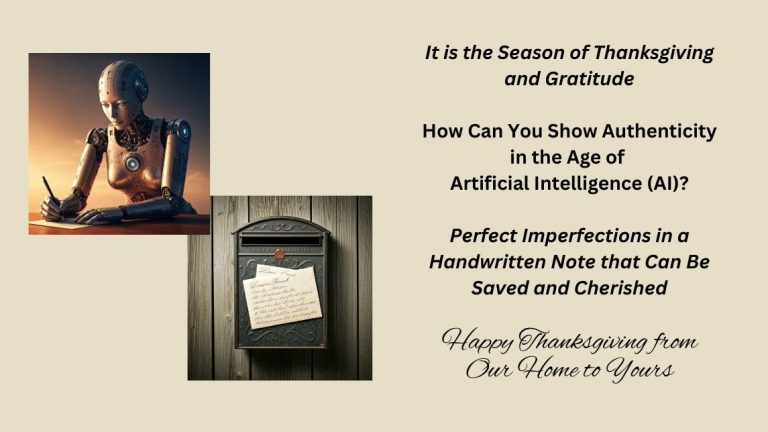
    November and Thanksgiving are the perfect times to reach out and communicate with those who have impacted our lives in the past and present. In our digital age, many ways of communicating exist, including social media, email, and text. AI (Artificial Intelligence) can make it more difficult since everyone is a prompt away from crafting the perfect message. Ironically, snail mail (a.k.a. United Postal Service is an easy, cost-effective way to communicate gratitude with a handwritten notecard.

    Does writing a handwritten note take planning and effort? Absolutely, yes.  However, the person and relationship dividends are priceless. Are handwritten notes perfect? Absolutely not. Handwritten notes are perfectly imperfect. In three sentences, you can express appreciation, reference memory, and have something tangible for the recipient to keep.

    Every handwritten note is a souvenir (French verb to remember) for the writer and the recipient. Writing 365 cards in 365 days is my quest for gratitude for 2025. With all of AI’s advances, I cannot share my sincere appreciation and memories or be a tangible keepsake.

    One of my most prized possessions is a card I made for my Great Grandmother when I was 5.  I found it when I became the historian for my family.  She died at 87 and died when I was 11. However, she kept it all those years. A card made on notebook paper folded the wrong way, and I did not have blue eyes.  I keep the notecards that are written to me. Many have told me that they keep the handwritten notecards that I write and how my notes touched them.

    I admit that I used ChatGPT to explain that handwritten notes are unique and can’t be replicated.    

    From ChatGPT

    Essentially, a handwritten note lets the recipient know that you are thinking of them, that they are important, and that you care about their well-being. Secondly, it requires your full and undivided attention, and it takes time to give it a personal touch.

    AI can indeed influence the content of a handwritten note, though it typically works behind the scenes. While AI can enhance or facilitate the process, the emotional impact of a handwritten note still comes from the human element—choosing to send the note and personalizing its content.

    Here are some ways AI might be involved:

    1. Content Suggestions: AI can help draft or suggest thoughtful messages, particularly if the sender struggles with expressing themselves. For example, AI-powered writing tools or assistants can generate phrases, prompts, or entire messages tailored to specific situations, such as birthdays, thank-you notes, or condolences.
    2. Personalization: AI can help personalize notes by analyzing data about the recipient, such as their preferences, past interactions, or shared experiences. This can help the sender craft a more meaningful message.
    3. Handwriting Simulation: AI can also simulate handwriting styles. Some services allow users to type their message, and then AI-driven tools transform it into handwriting that appears more personal and authentic, though it isn’t truly handwritten.
    4. Grammar and Style: AI-powered tools like Grammarly can help proofread and improve the tone or flow of the message, ensuring that it is well-written and coherent.

    Differences between AI and the human element lie in authenticity, emotion, and intent. Here’s how they differ in specific aspects:

    1. Creativity and Emotion:

    • AI: AI can generate text, mimic styles, and produce content that appears human-like, but it needs more true understanding, emotions, and lived experiences. It analyzes patterns and produces responses based on data, but it doesn’t experience feelings or empathy. Algorithms and training on vast amounts of data drive AI’s creativity.
    • Human Element: Humans create from personal experience, emotions, and unique worldviews. When a human writes something, it often carries personal insights, emotional depth, and spontaneity that stem from real-life experiences. The intention behind human expression adds a layer of meaning that AI can mimic but not generate.

    2. Intent and Personal Connection:

    • AI: AI responds based on patterns and input data but doesn’t have personal relationships or emotional investment. It can simulate care and connection, but it doesn’t honestly “care.” The intent behind AI-generated content is utilitarian, driven by efficiency, not personal connection.
    • Human Element: When a human reaches out, whether through a handwritten note or conversation, there’s genuine intent and a personal connection. Human interaction involves empathy, understanding, and emotional resonance. A handwritten note from a person shows thoughtfulness, effort, and care that go beyond the content—it reflects the person’s desire to connect.

    3. Authenticity and Imperfection:

    • AI aims for precision and can create nearly flawless, polished messages. However, this perfection can sometimes feel impersonal or mechanical. Although the content it produces can be accurate, it lacks the small, unique imperfections that often make human communication feel authentic.
    • Human Element: Human communication is filled with nuance, subtle imperfections, and individual quirks—slightly messy handwriting, an unintended pause, or a personal anecdote. These imperfections are part of what makes human interaction feel genuine and relatable.

    4. Context and Depth of Understanding:

    • AI: AI can quickly process vast amounts of information and respond based on learned patterns, but it lacks proper comprehension. It doesn’t experience life, culture, or context as humans do. AI might miss a conversation or note’s deeper emotional, cultural, or situational nuances.
    • Human Element: Humans communicate through lived experience, cultural context, and emotional awareness. A human’s understanding of the world is shaped by personal experiences, relationships, and emotions, making human-generated content often more profoundly layered and contextually rich.

    5. Motivation and Effort:

    • AI: AI operates based on instructions and input without any personal motivation. Its effort is driven by algorithms and a pre-set goal to optimize output, but it doesn’t feel satisfaction or dedication in its tasks.
    • Human Element: Humans choose to invest time and effort, especially when it comes to meaningful gestures like writing a handwritten note. The personal effort, care, and attention a human puts into such a task make it special, signaling that they value the recipient.

    In summary, AI can assist, automate, and simulate aspects of human communication, but it needs more emotional depth, authenticity, and genuine intent to define the human element. The human touch carries real experiences, emotions, and connections that AI can mimic but never truly replicate.

    Sylpro Productions began with Sylvia France, and the goal was to work with Apple in Silicon Valley. Not only did she realize that goal, but she also launched new products and industry categories, including personal digital navigation and streaming television program guides. In addition to working with several startups, our client roster includes The Home Depot, Union Pacific, Verizon, and Right at Home. To learn more, contact me at sylvia@sylproproductions.

  • The Rise of Autonomous AI Agents

    The Rise of Autonomous AI Agents

    Curious about the big buzz around Autonomous AI agents?

    Watching what Salesforce Agentforce Autonomous AI agents and Microsoft Copilot will do next? Heck – what are autonomous agents and have they been deployed (successfully)?

    Let’s take a step back. Autonomous AI agents are definitely in vogue and emerging in a myriad of industries redefining how businesses operate, make better data-based decisions, and interact with customers faster by utilizing AI driven. With that in mind let’s jump into the world of autonomous AI agents and their impact starting with the basics:

    What are Autonomous AI Agents?

    Autonomous AI agents are complex AI systems capable of performing tasks independently, and making decisions to achieve specific goals [1]. Unlike traditional AI models that rely on predefined rules, these agents can adapt, prioritize tasks, and operate without constant human supervision [1].

    Key features of autonomous AI agents include:

    – Autonomy: They can operate independently with minimal human guidance.

    – Reactivity: They quickly respond to changes in their environment.

    – Social ability: They can interact with other agents or IT systems [1].

    The Current (and Future) Landscape of Autonomous AI

    As we approach 2025, here are a number of the applications of autonomous AI agents in action now:

    1. Customer Service: AI agents are handling complex customer queries, reducing response times, and improving satisfaction rates, sometimes with VoC.
    2. Financial Services: Autonomous agents manage investments, detecting fraud, and providing personalized financial advice.
    3. Healthcare: AI agents assist in diagnostics, treatment planning, and patient care management.
    1. Logistics: These agents are optimizing supply chains, managing inventory, and improving delivery routes.

    Copilot and AI Agents: Transforming Business Operations

    Microsoft’s Copilot is leveraging AI agents to enhance productivity and decision-making across various business functions:

    1. Sales Optimization: Copilot analyzes customer data, predicts buying patterns, and suggests personalized sales strategies.
    2. Content Creation: It generates high-quality marketing content, adapting to brand voice and target audience preferences.
    3. Data Analysis: Copilot sifts through vast datasets, identifying trends and providing actionable insights for strategic planning.

    Salesforce Agentforce: Pioneering Autonomous AI in CRM

    Salesforce’s Agentforce is revolutionizing customer relationship management with its autonomous AI agents:

    1. Lead Qualification: Agentforce autonomously qualifies leads, prioritizes high-potential prospects, and initiates engagement strategies.
    2. Customer Support: It handles complex support tickets, escalating only when necessary, and continuously learns from interactions.
    3. Predictive Analytics: Agentforce forecasts customer churn, identifies upselling opportunities, and recommends retention strategies.

    Autonomous AI Agents in Manufacturing

    The manufacturing sector is witnessing the integration of autonomous AI agents. This is what Sentia’s team is currently able to do with AI in manufacturing:

    Supply Chain Optimization: 24/7 AI agents scan for supply chain problems and offer suggestions to alternatives if problems are identified.

    Process Optimization: AI agents analyze production data in real-time, adjusting parameters to maximize efficiency and reduce waste.

    Predictive Maintenance: These agents predict equipment failures, scheduling maintenance to minimize downtime and extend machinery lifespan without human interference.

    Quality Control: Autonomous agents use computer vision and machine learning to detect defects with higher accuracy than traditional methods.

    2025 & The Road Ahead

    As we look to 2025 and beyond, autonomous AI agents are poised to become integral to business operations across all sectors. Their ability to learn, adapt, and make complex decisions will drive innovation, efficiency, and competitive advantage.

    However, this technological leap also brings challenges. Businesses must address ethical considerations, data privacy concerns, and the need for human oversight. The key to success lies in striking the right balance between AI autonomy and human expertise.

    The era of autonomous AI agents is here, offering unprecedented opportunities for businesses ready to embrace this transformative technology. Are you ready to harness the power of autonomous AI agents in your business?

    The future is autonomous, and it’s happening now.

    Tags: #autonomousai #aiagents #copilot #agentforce #salesforce #microsoft #augmentedai #genai #autonomousagents #ai #aiadoption #airisk 

    Citations:

    [1] https://autogpt.net/autonomous-agents-are-the-new-future-complete-guide/

    [2] https://neontri.com/blog/autonomous-ai-agents/

    [3] https://shelf.io/blog/the-evolution-of-ai-introducing-autonomous-ai-agents/

    [4] https://aws.amazon.com/what-is/ai-agents/?nc1=h_ls

    [5] https://en.wikipedia.org/wiki/Autonomous_agent

    [6] https://www.ibm.com/think/topics/ai-agents

    [7] https://www.bcg.com/publications/2023/gpt-was-only-the-beginning-autonomous-agents-are-coming

    [8] https://www.sciencedirect.com/topics/computer-science/autonomous-agent

  • The Rise of Physical AI: Transforming Manufacturing Right Now

    The Rise of Physical AI: Transforming Manufacturing Right Now

    The Rise of Physical AI: Transforming Manufacturing in 2025

    As we head to the close of ’24 and strategize for 2025, the manufacturing sector is on the brink of a revolutionary transformation many are just getting up to speed with. It’s driven by the fusion of artificial intelligence and the physical world. This phenomenon, known as “physical AI”, is set to redefine how we produce goods, manage industrial processes, and interact with machines. Here are some examples of how physical AI and traditional technologies are reshaping the manufacturing landscape right now. And some projection as to what we can expect in early 2025 and beyond.

    The Essence of Physical AI

    Physical AI represents the embodiment of sophisticated AI algorithms in tangible, interactive systems. Unlike traditional AI, which operates primarily in the digital realm, physical AI manifests in robots and machines equipped with an array of sensors and actuators. These advanced systems can perceive their surroundings, make decisions based on real-time data, and physically interact with the world around them.

    7 AI Enhancing Robot Capabilities in Industrial Settings

    1. Adaptive and Flexible Operations: AI-powered robots can switch between different tasks and adapt to changing product specifications without extensive reprogramming.
    2. Improved Precision and Quality Control: Enhanced sensors and real-time data processing allow robots to perform tasks with exceptional accuracy.
    3. Advanced Object Manipulation: AI algorithms enable robots to handle objects of varying shapes and sizes with unprecedented finesse.
    4. Predictive Maintenance: Continuous monitoring of equipment performance helps prevent unexpected breakdowns and ensures uninterrupted operations.
    5. Enhanced Safety: AI enables robots to detect and respond to human presence, reducing the risk of accidents in collaborative environments.
    6. Optimized Process Efficiency: By combining AI and vision systems, robots can adjust parameters on the fly to mitigate issues and improve overall efficiency.
    7. Autonomous Navigation: AI-powered robots can move independently in warehouse and manufacturing environments, optimizing logistics and material handling.

    Key AI Manufacturing Trends to Watch in 2025

    We’re tracking several key trends that are poised to disrupt the manufacturing landscape with a number more in stealth mode:

    Smart Glasses and Augmented Reality

    A new generation of AR devices, rivaling the computing power of modern smartphones, will revolutionize product design and assembly line operations. Engineers will visualize 3D models in real-time, while workers access step-by-step instructions and troubleshooting guides hands-free.

    Generative AI

    AI systems capable of generating code, optimizing manufacturing processes, and even designing new products will democratize innovation. This technology will enable rapid prototyping and iteration, allowing even small enterprises to compete with industry giants.

    Autonomous Factories

    The convergence of generative AI, advanced robotics, and machine learning will lead to fully autonomous manufacturing facilities. These smart factories will dynamically adjust production lines, maximize output, and minimize waste with minimal human intervention.

    AI-Powered Chips

    Companies like Arm are developing specialized AI chips set to launch by 2025. These chips will enhance the capabilities of AI-driven devices and systems, further accelerating the adoption of physical AI in manufacturing.

    Impact on Industry

    The rise of physical AI in manufacturing is expected to bring significant benefits.

    – Increased productivity and efficiency

    – Reduced downtime and operational costs

    – Improved product quality and consistency

    – Enhanced workplace safety

    – Greater flexibility and customization capabilities

    – Reduced energy consumption and environmental impact


    Specific Use Cases and Research

    1. FANUC’s Zero Down Time (ZDT) Technology
      FANUC’s ZDT system uses AI to analyze data from robots in real-time, predicting potential failures and scheduling maintenance before breakdowns occur. This technology has helped automotive manufacturers reduce downtime by up to 90%.

    Learn more about FANUC’s ZDT

    1. Siemens’ AI-Powered Digital Twin
      Siemens is leveraging AI and digital twin technology to create virtual replicas of physical manufacturing processes. This allows for optimization and testing in a virtual environment before implementation in the real world.

    Explore Siemens’ Digital Twin technology

    1. ABB’s PickMaster Twin
      ABB’s PickMaster Twin uses AI and augmented reality to simplify the programming of robotic picking and packing applications, reducing setup time by up to 80%.

    Discover ABB’s PickMaster Twin

    1. Nvidia’s Isaac Sim for Robotics
      Nvidia’s Isaac Sim platform uses AI and photorealistic simulation to train and test robots in virtual environments, accelerating the development and deployment of physical AI systems in manufacturing.

    Learn about Nvidia’s Isaac Sim

    1. BMW’s AI-Powered Quality Control
      BMW is implementing AI-based image recognition systems to detect even the smallest deviations in components and surfaces during production, ensuring higher quality standards.

    Read about BMW’s AI quality control


    According to industry forecasts, AI could reduce energy consumption in manufacturing by up to 20% by 2025. Furthermore, AI-driven systems are predicted to reduce downtime by 30-50% and increase machine lifespan by 20-40%.

    The manufacturing vertical might be behind on AI adoption compared to other industries. That being noted, there are endless possibilities emerging with Physical AI and traditional technology that are above and beyond the opportunities in other spaces!

    With physical AI at its core in the center of next gen AI enabled IT enterprise grade systems, we can expect to see unprecedented levels of efficiency, innovation, and sustainability in the manufacturing sector. Forward thinking companies that strategize, plan, adopt and embrace the technologies that clearly provide ROI early will be well-positioned to lead in this new era of intelligent manufacturing production.

    Those that do not successfully deploy Physical AI and AI tools at the right points in the manufacturing process will be beaten by their competitors that did it, while they watched.

    Additional Research:

    [1] Physical Intelligence Raises $70M to Build AI-Powered Robots for Any Application

    [2] Manufacturing Revolution 2025 Smart Glasses, Gen AI

    [3] How AI In Manufacturing Is Transforming Key Industry Branches

    [4] Arm Plans AI Chips Launch in 2025 with SoftBank Backing

    [5] The Role of AI in Revolutionizing the Manufacturing Industry

    [6] https://redresscompliance.com/ai-in-industrial-robots/

    [7] https://blog.hirebotics.com/artificial-intelligence-for-robotics-and-welding

    [8] https://waverleysoftware.com/blog/ai-in-robotics/

    Social Media Hashtags:

    #PhysicalAI #ManufacturingRevolution #AI2025 #SmartFactories #IndustryInnovation #FutureOfManufacturing #AIRobotics #TechTransformation #Manufacturing #SAP #AIadoption #AITools #Siebel #Smartglasses #cobots

  • Trust, Is it the Only Job Skill AI can’t Replace?

    Trust, Is it the Only Job Skill AI can’t Replace?

    Trust, the Only Job Skill AI can’t Replace?

    In an era where artificial intelligence is revolutionizing industries and transforming the way we live and work, there remains a fundamental human element that AI can never replicate trust.

    Trust is a deeply personal and intricate skill, built through genuine interactions, empathy, and understanding. While AI can analyze data and predict outcomes with remarkable accuracy, it lacks the emotional intelligence and authenticity required to foster true trust. This article explores why trust remains an irreplaceable human skill, highlighting the nuances and complexities that make it uniquely ours in a sales use case.

    Story

    After filling out a software online information request page, I received an instant email from a salesperson introducing himself. Let’s call him Jack. Jack is a software salesperson and an expert in his company’s product. I was working on a new social media strategy at the time and researching options. I was curious about his product and wanted to see if it would assist with the process, I was looking at implementing.

    Jack diligently followed up with an email, attachments of features and benefits, links to case studies, demo options, and questions about when I wanted to start. I responded to his email by informing him I was only at the beginning of researching social media tools. So not yet.

    Two weeks later, my inbox chimed. Jack acknowledged how busy I might be and asked if I was ready to get started. Not yet. Still establishing the plan. The process with the team is taking longer than expected.

    A month later, Jack again asked if I was ready to get started. When I saw his email, I deleted it. No reply. Ever again.

    It’s a shame because I might have considered his product.

    Not all prospects are ready to buy from you. But knowing how to occupy the mindshare of those people is critical to maintaining a pipeline of prospects and building the long-term value of your company.

    Whatever you do, don’t make the mistake Jack made, which was to ask if I was ready to consider his product while repeatedly pushing emails to me. This strategy is ‘me’-focused. To be frank, I didn’t really care about his product at this early stage of my planning. My concern was getting my strategy and process right first. That’s how your buyers feel. They don’t care about you or your product; they care about themselves.

    Hence, your objective with prospects should be to build relationships, build trust, and be of value because people only do business with people they know, like, and trust.

    Here are ten proven ways to help you do just that.

    Build Your Dream List

    Make a dream list of your top twenty prospects that you’d like to have as your customers. Think of ways to add genuine value to their lives. Once you have your dream list, review it daily, plan, and ask yourself, “How can I help, inform, and serve these people today?”

    Sales expert Barb Giamanco says, “Appropriate rapport will happen when your sales approach and messaging are focused on what the buyer cares about and NOT what you want to pitch or demo. This is the definition of rapport – ‘a close and harmonious relationship in which the people or groups concerned understand each other’s feelings or ideas and communicate well.’ What the buyer wants is for salespeople to demonstrate that they can help them solve their business problems. You don’t build rapport with someone you don’t know with a pitch or an offer to do a product demo. It is that simple.”

    AI Use Case: Use AI-powered CRM tools to analyze your prospects’ behavior and preferences. These tools can help you tailor your communication and offers to match their specific needs and interests, making your interactions more relevant and valuable.

    Socialize, Genuinely

    Follow the people on your dream list and their organizations on Twitter, LinkedIn, or any other platforms they’re using. Engage with them in a meaningful and genuine way.

    Interacting on social media also allows salespeople to build up little bits of rapport to nudge a prospect towards engaging with you. Start following and engaging them online. The whole point of social media is to get people to talk to you. So, talk to them! Take time to comment and offer your thoughts on the content posted by your targeted prospects. Recognize their interesting insights. You’re showing them what you care about and you’re adding social proof to the value of their posts.

    AI Use Case: Leverage AI-driven social listening tools to monitor your prospects’ social media activity. These tools can alert you to opportunities for engagement, such as when a prospect posts about a topic related to your product or industry.

    Show Respect for Their Inbox

    Instead of bombarding your dream list’s inbox with stuff about you, share insight that might help them or their business. Set up Google Alerts for your prospect’s company, or any major interests they might have. Invest some time each day sifting through this resource. When you find an article or insight someone from your list might find relevant or useful, share it, explaining why it might be of interest. Be careful with this tip; if you overdo it, you might come across as spammy.

    AI Use Case: Utilize AI-based email marketing platforms to personalize your email content. These platforms can analyze your prospects’ past interactions with your emails and suggest the best times to send emails, the most engaging subject lines, and the type of content that resonates most with each prospect.

    Make Them Stand Out

    Following on from the last tip, you could also use your new content aggregation to sift through and think of ideas that might help prospects. Instead of asking me to just look at his product, Jack could have pointed me to content to help me with my social strategy. I would have been thrilled. Sharing ideas shows prospective customers you’re genuine and trying to help them, which builds trust while waving the magic wand of reciprocity. It’s all about the client, not you.

    Working from content posted by your top-twenty picks, you can also review and share their best material with your friends and colleagues online. You are helping your prospect when you do this because you’re amplifying their message—which is another big reason why they’re online in the first place.

    AI Use Case: Use AI-powered content curation tools to find and share relevant content with your prospects. These tools can help you discover high-quality articles, blog posts, and other resources that align with your prospects’ interests and needs.

    Connect People

    When you regularly think of your dream list, you will find yourself meeting people you could connect them to. To avoid any awkward connections, first ask yourself if the connection is useful to both parties. If it’s not, then don’t do it. When you think of a good reason both parties could benefit from the connection, explain to both parties why you think an introduction might bring value to them and whether they would like you to make the intro. Only when both parties are interested should you make the introduction.

    AI Use Case: AI-driven networking platforms can help you identify potential connections between your prospects and other professionals in your network. These platforms can suggest introductions based on shared interests, goals, and mutual benefits.

    Celebrate Their Success

    If you have gathered information as a result of striking up great rapport and a relationship, don’t miss an opportunity to celebrate or acknowledge any good news, promotions, or wins. Celebrate their success and be genuine about it.

    AI Use Case: Use AI tools to track your prospects’ achievements and milestones. These tools can notify you of any significant updates, such as promotions or company news, so you can congratulate them in a timely and personalized manner.

    Think Outside the Box

    Jack the salesperson knew I was in the thick of establishing my social media strategy with some team challenges along the way. Had he communicated something like, “Hey Billie Jean, many of our clients are in the same position as you and I know how complicated and stressful it is. Thought you might find this document useful, giving you step-by-step how to get your team working towards a common goal. Hope it helps, Jack.” I would have appreciated the relevance and the fact that he could relate to my circumstances.

    So, think back to your previous conversations with dream listers. Do any problems spring to mind? Can you anticipate challenges they might have? Maybe they’re having a hiring or supplier problem, or a personal issue you might be able to solve? Sales is about problem solving, not just the specific problems your product solves, but also exploring ways to make people’s lives easier.

    AI Use Case: AI-powered customer relationship management (CRM) systems can help you keep track of past conversations and identify potential challenges your prospects might face. These systems can provide insights and suggestions for how you can offer relevant solutions.

    Know When to Walk Away

    You can’t win them all, and that’s okay. It is important that salespeople know when to walk away. The old adage “don’t take no for an answer” is a formula for disaster. If it’s not a fit for the customer, you’ll end up doing your company and brand more harm than good. If they simply aren’t interested and you continue to press the topic, you’ve entered the threshold of stalker just like Jack.

    AI Use Case: AI analytics can help you determine when a prospect is unlikely to convert. By analyzing engagement patterns and other data, AI can provide recommendations on when it might be best to move on to other opportunities.

    Don’t Take It Personally

    One of the benefits of not taking things personally is that you’re showing the prospect that it’s not about the sale, it’s about the relationship. If your solution is not the best for them, make sure it’s clear that you’re okay with that, and what you truly want for them is that they get what they need. Even if you truly, genuinely, believe with all your heart that your product is the right one for them, and they go elsewhere and they’re going to be disappointed, it’s still their choice. Allow them to make it at their own pace, on their own time. Just patiently stay in touch until they do make the decision.

    AI Use Case: AI sentiment analysis tools can help you gauge the tone and mood of your interactions with prospects. These tools can provide insights into how your messages are being received and suggest adjustments to improve your communication.

    Stay in Touch Even If They Do Say No

    Even prospects who have given you a clear ‘no’ may still appreciate hearing from you. Continue looking for ways to assist them, provide helpful and relevant information, and listen for any hints they might drop. Someone who says no today might change their mind in six months or even six years. This is the power of long-term follow-up: if they should have listened to you but didn’t, and you remain kind, helpful, and supportive of their decision, you may be the first person they think of when they reconsider.

    According to Stanford University, 85% of sales are made after the fifth meeting with a prospect, yet 95% of salespeople give up before then. Why do they give up so soon? Because the bottom 95% of salespeople don’t understand how to build genuine trust and rapport with prospects. It’s a fine line between persistence and stalking. You’ll never get it absolutely perfect, but the key is to be yourself, be friendly and personable, and balance your follow-up with a real-world understanding that nothing in our lives and businesses goes perfectly to plan.

    AI Use Case: Enhancing Follow-Up Strategies

    Artificial Intelligence can significantly enhance your follow-up strategies. AI-powered tools can analyze past interactions and predict the best times to reach out to prospects, ensuring your follow-ups are timely and relevant. Additionally, AI can personalize communication by analyzing a prospect’s preferences and behaviors, helping you craft messages that resonate more effectively. By leveraging AI, you can maintain a consistent and thoughtful follow-up process, increasing your chances of converting prospects who initially said no.

    Tags: #Trust #Sales #Training #Salestraining #buyerjourney #CRO #CSO #AI #AItraining #Aiadoption #AIRisk 

  • Things I learned from Bill and Not For Profit Investing

    Things I learned from Bill and Not For Profit Investing

    10 Things I Learned from Bill Walton: The Not-for-Profit Investor and Board Member Who was much More Than Just a Tall Tale

    As the former CEO of Fund Our Community, I had the unique pleasure of working with a legend, both in stature and in spirit—Bill Walton. He was a man who did it all: from scoring baskets and winning NCAA and NBA Championships to scoring big for charities like Wounded Warriors.

    The first time I met Bill was at a Wounded Warriors event at Cavallo Point Lodge in Marin California. He was presented with the highest “normal” bicycle I had ever seen and went out of his way to thank the builder of the bike, the company and the people who designed and built it for him. He didn’t need to do that, but that was the kind of good guy he was.

    Bill had serious charisma, a great smile and an infectious quest for knowledge as well as giving it back. Yes, he was a physical giant. But I personally believe he was under appreciated for all of the charity work he did, the not for profits he supported and the investments he made in so many communities. That is how I will remember him. He wanted to make a difference and he did.   

    So, without further acclaim (and please pardon the Archer like puns), here are the top 10 slam-dunk lessons I learned from the man himself:

    1. Height Isn’t Everything, But It Sure Helps When You’re Raising the Bar – Bill taught us that setting high goals is like going for that high rebound; it might seem out of reach at first, but with enough jump (effort / ambition), you’ll grab it with hard work and perseverance.

    2. The Best Defense Is a Good Offense – In the startup world, like on the court, you’ve got to be proactive. Bill’s strategy? Always be on the offensive, whether it’s pushing for innovation or pushing for a cause. Don’t wait for something to happen. Make it happen.

    3. Passing Is Not Just a Play, It’s a Philosophy – Sharing success, like a good basketball pass, creates opportunities for others to score. Bill was all about the assist, how can I help my teammates succeed?

    4. You Can’t Score If You Don’t Shoot – Bill’s investment in Fund Our Community (our startup) was a shot worth taking. He was a firm believer that you miss 100% of the shots you don’t take, and in business, that means every opportunity is worth evaluating.

    5. Rebounds Are Just Opportunities in Disguise – Missed a shot? No problem. Every setback is a chance to grab the ball back, gather yourself and go for another shot. No business succeeds 100% of the time. It’s what you do after the “ball” drops that differentiates the winners.

    6. Footwork Matters – Whether it’s pivoting in the paint or pivoting your startups business model, nimble footwork can save the day. Bills history of foot surgeries notwithstanding, he was a big believer in changing things up if it wasn’t working.

    7. Charity Work Is the Real MVP – Bill’s dedication to causes like Wounded Warriors showed us that the most valuable plays are made off the court, making a difference in the lives of others. Every time I spoke with him, it was tell me where you’re at, what you need and what I can do to help. He was focused on giving back and applied his resources accordingly.

    8. Keep Your Eye on the Ball, But Also on the Horizon – Vision is everything. You need to see the whole court to develop the best strategy. Keeping your eyes open to where your NFP business translates into affecting the bigger picture both in business and philanthropy.

    9. A Good Teammate Lifts You Up—Literally – Standing next to Bill, I felt taller and I know the people around him did as well. His support elevated everyone around him, proving that a good team member is a force multiplier.

    10. The Game Never Ends – Just like his many stories, his passion for life and charity work reminds us that there’s always another quarter to play, another mountain to climb, and another community to uplift.

    So, there you have it. A Few lessons I learned from a man who was as comfortable in the boardroom as was amazing on the boards. Thanks, Bill, for being the ultimate teammate and for showing us that the game of giving back is the most rewarding one to play.

    You will be remembered!

    Tags: #NFP #Notforprofit #charity #Woundedwarriorproject #dogood #giveback #lifelessons #NBA #NCAA #BillWalton #business #success #successtips #life

  • How do Salesforce CRM, Microsoft Dynamics, and Hubspot CRM Compare according to Copilot?

    How do Salesforce CRM, Microsoft Dynamics, and Hubspot CRM Compare according to Copilot?

    As a leader in the AI CRM Sales tech space I was curious how AI’s would evaluate competitive CRM/AI enhanced offerings and how likely it would be that it would be factual vs. the usual CRM marketing puffery we see on a daily basis. I was also curious how much AI “hallucination” would take place and whether or not it would be to the advantage of the AI parent company (in this case Microsoft) or just generalized AI hallucinations or perhaps non at all.

    Copilot comparison of AI capabilities and features across Microsoft Dynamics, Salesforce CRM, Hubspot CRM:

    FeatureMicrosoft DynamicsSalesforce CRMHubspot CRM
    AI-Assisted SalesAdvanced AI for sales insights and personalization1AI with Einstein for predictive analytics and recommendations1Basic AI functionalities for sales insights2
    Automated Data CaptureComprehensive automation in data entry1Automation with a focus on sales productivity1Automation for basic tasks2
    Intelligent ForecastingDetailed forecasting using AI1Predictive forecasting with Einstein AI1Forecasting based on standard sales data2
    Performance RecommendationsPersonalized suggestions for sales actions1Recommendations for next best actions1General guidance based on performance metrics2
    Conversation IntelligenceConversation analysis for actionable insights3Detailed conversation insights with Einstein Call Coaching1Basic conversation tracking2
    Lead & Opportunity ScoringAI-driven scoring to prioritize leads4Predictive lead scoring with AI1Lead scoring based on user-defined criteria2
    CustomizationHighly customizable with AI applications1Extensive customization options with AI1Customizable to a lesser extent compared to others2
    Ease of UseRequires some technical expertise4Complex, with a steep learning curve1User-friendly and intuitive interface2
    CostStarts at $65 per user per month2Starts at $25 per user per month1Free for basic features; pay for more as you go2
    Copilot generated table comparing Dynamics, Salesforce & Hubspot

    This table provides a high-level overview of how each CRM utilizes AI to enhance the sales process. Microsoft Dynamics and Salesforce CRM offer more advanced AI capabilities, which are suitable for larger organizations or those with complex sales processes.

    The challenge with this table is not knowing what is the “latest” and most correct information vs. what Copilot was able to access (and the time period). If I look at the cost, I think the research is a bit *old however, I look to my readers to help out and tell me what they think. How accurate is this table and what is AI marketing puffery vs. what these three CRM platforms can actually deliver.

    *Microsoft Dynamics Official Seat Pricing Page

    Salesforce CRM Official Seat Pricing Page

    HubSpot – I went to their website looking for a HubSpot pricing page (like Microsoft and Salesforce) and was intercepted by the worst AI chatbot I have seen this year. It refused to answer my questions, no matter my change in prompt, instead it was just sell, give me your email address, sell, sign up for demo, sell and my last contact with it was “Thanks Hubspot Chatbot – your performance has been so horrid that I have just taken your CRM off my consideration list.”

    As my dear readers know AI must be constantly monitored by humanoids. In this case my guess is they turned up the aggressive sell chatbot feature and forgot the sentiment / human part of the CX equation. Will check back in a week to see if it was an AI hallucination or programmed in.

    This is your average Blended AI SME Homosapien signing off and respectfully requesting your comments and perspective. Who is going to win or will it be a dark house like Sentia AI – that will take over the CRM landscape. Stay tuned!